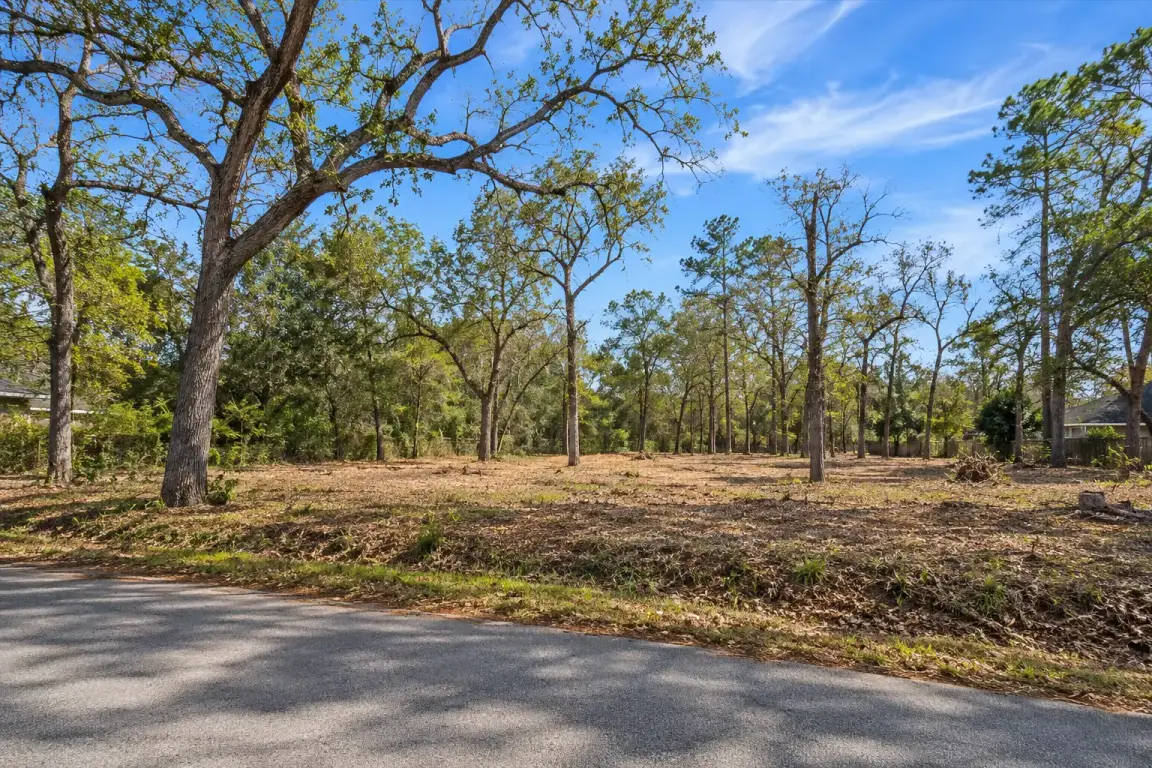

At first, you weren’t too worried.
You listed your vacant land in Houston, figured the right buyer would eventually come along, and waited.
A few weeks passed.
Then a few months.
Maybe you received a handful of inquiries that went nowhere. Maybe someone made an offer so low you couldn’t take it seriously. Or perhaps the property has barely attracted any attention at all.
Now you’re looking at another property tax bill, wondering how much longer you should keep trying.
And the question has changed.
You’re no longer asking, How do I sell my land?
You’re asking, What do I do when my land just won’t sell?
Here’s the good news: an unsuccessful listing doesn’t mean you’re out of options.
If your vacant land won’t sell in Houston, you can reassess the asking price, change your marketing strategy, address specific property concerns, approach neighboring owners, sell the property yourself, explore an as-is sale, request an offer from a direct land buyer, or hold the property with a clear financial plan.
The right choice depends on why the land hasn’t sold, how much time and money you’re willing to invest, and what you ultimately want from the sale.
Let’s look at eight realistic options—and how to decide which one makes sense for you.
First, Find Out Where the Selling Process Is Breaking Down
Before you change anything, look at what has actually happened since the property went on the market.
The difference between getting no inquiries and having three contracts fall apart is significant.
Those situations usually require different solutions.
| What Has Happened? | What It May Tell You | Where to Start |
|---|---|---|
| Almost no one has contacted you | Limited exposure, poor targeting, or pricing concerns | Options 1 and 2 |
| Buyers inquire but never make offers | Uncertainty about the property or price | Options 1 and 3 |
| Buyers repeatedly make low offers | Perceived costs, risk, or a pricing mismatch | Options 1, 3, and 6 |
| Buyers walk away after due diligence | Access, utilities, title, drainage, or other concerns | Options 3 and 6 |
| The land has an unusual shape or limited standalone use | A smaller pool of suitable buyers | Options 4 and 7 |
| You’re tired of maintaining or paying taxes on the property | Your financial priorities may have changed | Options 6, 7, and 8 |
You don’t need to become a real estate expert overnight.
But you do need to know whether you’re dealing with a pricing problem, a marketing problem, a property problem, or a mismatch between your goals and your selling strategy.
For a closer look at those causes, read 10 Reasons Your Vacant Land Isn’t Selling in Houston, TX.
Once you have a better idea of what’s happening, you can choose your next move.
Option 1: Reevaluate Your Asking Price Using Better Comparables
It’s tempting to believe that if you wait long enough, someone will eventually pay your asking price.
Sometimes that happens.
But if your land has been available for months without a serious offer, it’s worth questioning whether the price reflects what buyers are willing to pay.
One common mistake is pricing vacant land based on what other sellers are asking.
Imagine a neighboring lot is listed for $150,000.
You assume your property must be worth about the same.
But what if that neighboring parcel has been listed for a year without selling?
Its asking price doesn’t prove the market supports that value.
What to do instead
Look for comparable properties that have actually sold.
Pay attention to:
- Location
- Parcel size
- Road frontage
- Legal access
- Utility availability
- Flood and drainage characteristics
- Lot dimensions
- Development potential
- Restrictions
- Date of sale
Land valuation can be more complicated than comparing two houses in the same subdivision.
Two lots with identical acreage may have very different usable areas and development costs.
The Texas Real Estate Research Center at Texas A&M University publishes Texas real estate research and market information that can help provide broader context. For parcel-specific pricing, you may also need local comparable-sale data or a qualified land professional.
When this option makes sense
Repricing may be appropriate when your property has received meaningful exposure, qualified buyers have evaluated it, and the asking price appears out of line with relevant market evidence.
But don’t automatically slash the price because you’re frustrated.
If buyers haven’t seen the property, a price reduction may not solve the underlying problem.
Best for: Sellers whose property has market exposure but isn’t attracting offers at a supportable price.
Option 2: Change How—and to Whom—You’re Marketing the Land
A vacant lot doesn’t sell itself.
And the people most likely to buy it may not be the people seeing your current listing.
For example, a residential builder looking for infill lots has different priorities from an investor seeking several acres.
A neighboring homeowner might value a small parcel that a developer would reject.
A commercial land buyer may be interested in location, frontage, and potential use rather than the same features a residential buyer wants.
If your marketing treats every vacant parcel the same way, it may fail to reach the right audience.
What to change
Start by identifying the property’s most plausible buyer.
Then ask whether your listing is designed for that person.
A useful land listing should provide accurate information such as:
- Property location and parcel identification
- Approximate acreage and dimensions
- Road frontage and access information
- Available surveys or plats
- Known utility information
- Relevant restrictions
- Flood and drainage considerations
- Clear photos and a useful map
Avoid generic descriptions that don’t help someone evaluate the parcel.
“Great investment opportunity” tells a buyer very little.
Accurate, specific information can make a stronger impression than exaggerated sales language.
Should you change real estate agents?
Possibly.
But first ask your current agent what has been done to market the property and what feedback buyers have provided.
A different agent may bring stronger land-specific experience or buyer relationships.
However, changing agents without changing the strategy may produce the same result.
Review your existing listing agreement before making a move.
Best for: Sellers receiving little qualified attention despite a potentially marketable property.
Option 3: Resolve One Specific Issue That’s Discouraging Buyers
Sometimes the listing isn’t the real problem.
The land is attracting interest, but buyers keep getting stuck on the same question.
Does it have legal road access?
Can utilities be connected?
Is the lot buildable?
Where are the property boundaries?
Are there unresolved ownership issues?
If several buyers raise the same concern, that pattern deserves attention.
Start with information before spending money
Suppose buyers repeatedly ask about electricity.
You might assume you need to pay for an electrical connection before the land can sell.
But perhaps the more useful first step is contacting the utility provider to establish what service is available and what a connection might require.
The same principle applies to surveys, easements, drainage, and development requirements.
Before spending thousands of dollars, ask:
Would reliable documentation resolve the buyer’s concern, or does the property actually need physical improvements?
Those are very different situations.
Not every problem is worth fixing
Clearing brush may make a parcel easier to inspect.
But it won’t solve an ownership dispute.
A new survey may clarify boundaries.
But it won’t change the parcel’s shape.
Utility work may help one type of buyer while adding little value for another.
If your land has significant physical or legal constraints, read 9 Things That Can Make Vacant Land Hard to Sell in Houston.
Best for: Sellers who can identify a specific, potentially resolvable obstacle that is preventing serious buyers from proceeding.
Option 4: Approach Neighboring Property Owners
This option is easy to overlook.
Sometimes the most logical buyer isn’t searching online for land at all.
They’re already next door.
An adjoining property owner may have a reason to purchase your parcel that other buyers don’t.
For example, they might want:
- Additional yard space
- Greater privacy
- More room for parking, where permitted
- Space for a lawful expansion
- Better access
- Control over adjacent land
- A larger combined parcel
That doesn’t mean your neighbor will want the property.
And it certainly doesn’t mean they’ll pay any price you name.
But adjoining owners may see practical value in land that has limited appeal as a standalone parcel.
How to approach a neighboring owner
Keep the conversation straightforward.
You might explain that you’re considering selling the property and wanted to ask whether they had any interest before pursuing other options.
Be prepared to share accurate parcel details and discuss price expectations.
Avoid pressuring anyone.
If multiple neighbors express interest, compare their proposed terms rather than assuming the first conversation will lead to the best outcome.
What if the lot has limited development potential?
That’s one situation where this approach may be especially worth exploring.
A narrow strip of land might not accommodate a new building, but it could still have value to someone who owns the adjoining parcel.
Any intended use would still need to comply with applicable restrictions and requirements.
Best for: Small, irregular, or strategically located parcels that may be more useful to an adjoining owner than to a general buyer.
Option 5: Try Selling the Land Yourself
If you’ve been working with an agent and the property hasn’t sold, you may wonder whether selling by owner would be better.
A for-sale-by-owner approach gives you more direct control over marketing, inquiries, and negotiations.
It may also avoid a new listing commission, depending on your existing contractual obligations and how the transaction is structured.
But there’s a tradeoff.
You become responsible for much more of the process.
What selling by owner involves
You may need to:
- Research a supportable asking price
- Prepare an accurate listing
- Advertise the property
- Respond to buyer questions
- Evaluate offers
- Negotiate contract terms
- Coordinate with a title company
- Manage deadlines and documentation
Vacant land transactions can involve legal access, easements, surveys, title questions, and other details that aren’t obvious from a basic listing.
Selling without an agent doesn’t eliminate those issues.
When this option makes sense
Selling by owner may be reasonable if you’re comfortable managing the process, have sufficient time, and understand when to involve qualified professionals.
It’s less attractive if your main frustration is already the amount of time and attention the property requires.
And if you have an active listing agreement, review it before proceeding independently.
Best for: Owners who want direct control and are prepared to handle marketing and transaction coordination.
Option 6: Offer the Property As-Is Instead of Making Improvements
You may be stuck in a familiar cycle.
Buyers say the property needs work.
You consider paying for improvements.
Then you wonder whether you’ll ever recover the money.
Perhaps the land needs clearing.
Perhaps it has debris, drainage concerns, or missing infrastructure.
You don’t necessarily have to resolve every issue before selling.
An as-is sale may be an alternative.
What does selling land as-is mean?
Generally, it means the buyer agrees to purchase the property in its current condition under the contract’s terms.
That doesn’t automatically eliminate inspections, due diligence, applicable disclosure obligations, or title requirements.
A buyer may still investigate the property.
And an offer may reflect the expected cost of dealing with known issues.
But an as-is transaction may reduce the seller’s need to perform certain improvements before closing.
Compare the actual financial outcomes
Imagine you’re considering spending $12,000 on clearing and site work.
Before proceeding, estimate whether those improvements are likely to increase the net sale proceeds by more than $12,000.
You should also consider the time and ongoing ownership expenses involved.
The calculation isn’t simply:
Improved land sells for more.
It’s:
Expected additional proceeds − improvement costs − additional carrying expenses = estimated benefit of improving before sale
If the expected benefit is small or negative, an as-is sale may deserve serious consideration.
Be transparent about known conditions
Selling as-is isn’t a reason to hide material information or make unsupported claims.
Accurate property information helps buyers assess the land and can reduce avoidable disputes.
Best for: Sellers who don’t want to invest additional money in a property, particularly when improvements may not meaningfully increase net proceeds.
Option 7: Request an Offer From a Direct Land Buyer
If your land has been sitting on the market and you’re ready to consider another route, a direct buyer may be worth contacting.
Unlike a traditional listing, where you market the property to find a purchaser, a direct-sale process starts with a specific buyer evaluating the land.
Some direct buyers focus on particular types of parcels.
Others consider a broader range of vacant land.
The important thing is finding out whether your property fits the buyer’s criteria.
Why sellers consider this option
A direct sale may appeal to owners who want to:
- Avoid another extended marketing campaign
- Reduce the work involved in finding buyers
- Explore selling without making improvements
- Compare an actual offer with their current asking price
- Stop carrying land they no longer want
But a direct buyer may account for risk, holding costs, acquisition expenses, and its required return when determining an offer.
That means the offer may differ from what you hope to receive through a traditional listing.
How does 1800LOTS work?
1800LOTS is a Houston-based buyer of vacant and undeveloped land, including select commercial land.
The general process involves sharing property information, having the parcel reviewed, considering any offer made, and proceeding through the agreed title and closing process if you decide to accept.
Not every property will qualify.
And the timing of any sale depends on the property’s circumstances and contract terms.
You can learn more about how 1800LOTS buys land or explore its Houston land-buying service.
What should you ask a direct buyer?
Before accepting an offer, find out:
- Who is actually purchasing the property?
- Is the offer subject to inspections or other contingencies?
- Who pays the closing expenses?
- What happens if a title issue is discovered?
- Is the contract assignable?
- What is the proposed closing timeline?
- What are your estimated net proceeds?
You can also read what to look for in a cash land buyer in Houston.
Best for: Sellers who want a concrete alternative to continued marketing and are willing to compare a direct offer with their other options.
Option 8: Stop Trying to Sell for Now—and Make a Deliberate Holding Plan
This option may sound surprising in an article about land that won’t sell.
But sometimes the right decision is not to force a sale.
If you don’t need immediate proceeds and the property’s carrying costs are manageable, holding it may be reasonable.
The important word is deliberate.
Keeping land because you’ve evaluated the economics is different from keeping it because you haven’t decided what else to do.
Calculate the cost of waiting
Vacant land can create ongoing expenses even when it produces no income.
Depending on the parcel, those expenses may include:
- Property taxes
- Maintenance
- Vegetation control
- Insurance, where applicable
- Association or other assessments
- Security or cleanup
- Financing costs, if any
The Texas Comptroller’s Property Tax Assistance resources provide general information about Texas property taxes and the local property-tax system.
For parcel-specific amounts, review the relevant appraisal district and tax-office records.
Set a review date
Instead of deciding to wait indefinitely, create a plan.
For example:
- Review carrying costs
- Identify the circumstances that would justify selling
- Reassess the property’s marketability
- Decide whether additional documentation would help
- Establish a future date to reconsider your options
You may also investigate whether a lawful interim use is feasible, although that can involve additional costs, restrictions, liability, and management obligations.
Don’t confuse patience with progress
Holding land can be sensible.
But if you don’t intend to use it, don’t expect meaningful changes in demand, and continue paying ownership expenses, waiting may simply postpone the decision.
Best for: Owners who can comfortably carry the property and have a specific reason to retain it.
Which Option Is Best When Your Houston Land Won’t Sell?
There’s no single answer for every parcel.
But you can narrow the decision by focusing on your biggest obstacle and your most important goal.
| Your Situation | Option to Consider First | Why |
|---|---|---|
| Buyers consistently reject the asking price | Reevaluate pricing | The market may not support current expectations |
| Few qualified buyers see the listing | Change marketing | The right audience may not be reached |
| One issue repeatedly stops transactions | Address that issue | Resolving uncertainty may improve marketability |
| Lot is small or unusually shaped | Contact neighboring owners | The land may have strategic value next door |
| You want more control over the sale | Sell by owner | You manage the process directly |
| You don’t want to fund improvements | Explore an as-is sale | Avoid unnecessary upfront work |
| You want to compare a direct offer | Contact a land buyer | Adds another selling option |
| You don’t need to sell immediately | Hold with a plan | Preserves ownership while managing costs |
Notice that the options aren’t always mutually exclusive.
You might improve the listing while approaching neighboring owners.
You might request a direct offer while evaluating whether a price reduction makes sense.
Or you might decide to hold the land only after seeing what buyers are willing to pay.
The objective isn’t to try every possible strategy.
It’s to make an informed choice rather than repeating what hasn’t worked.
Should You Take Your Land Off the Market?
Maybe, but don’t make that decision out of frustration alone.
Before withdrawing a listing, review:
- The remaining term of your listing agreement
- Any cancellation provisions
- Whether commissions or other obligations could still apply
- What marketing has already been completed
- Feedback from interested buyers
- Whether the asking price is supported by market evidence
- What you would do differently after withdrawing
If the property is listed with an agent, discuss your concerns and review the agreement.
Taking the land off the market doesn’t automatically resolve the reason it wasn’t selling.
But it may be appropriate if you have a better strategy ready.
What If You’ve Already Lowered the Price and Still Can’t Sell?
A lower asking price doesn’t fix every problem.
Suppose a buyer wants to build a home, but the property has uncertain legal access.
A price reduction may make the parcel more attractive financially.
It doesn’t answer the access question.
Likewise, if your listing isn’t reaching qualified land buyers, reducing the price may not create the exposure you need.
If you’ve already lowered the price without results, ask:
What specific objection was the reduction supposed to solve?
If you can’t answer that question, it’s time to look beyond price.
Review the property’s characteristics, marketing, and buyer feedback.
For more detail, see 9 Things That Can Make Vacant Land Hard to Sell in Houston.
Is It Worth Spending Money to Make Difficult Land Easier to Sell?
Sometimes.
But every proposed improvement should pass a basic financial test.
Consider three questions:
1. Will this work address a verified buyer concern?
A new survey may help when boundary uncertainty is stopping transactions.
Expensive clearing may not help if buyers are concerned about title.
2. Will the expected benefit exceed the cost?
Estimate the improvement expense, additional holding costs, and likely change in net sale proceeds.
3. Can the work actually be completed?
Some improvements require permits, professional services, neighboring landowner cooperation, or other approvals.
Don’t commit to work based solely on an assumption that it will make the land more valuable.
And remember that a buyer may prefer to complete certain improvements after purchasing.
How Much Is It Costing You to Keep Land That Won’t Sell?
When you own vacant land, the cost of waiting isn’t always obvious.
A property tax bill arrives.
You pay for mowing or cleanup.
Another year passes.
Individually, those expenses may seem manageable.
Over time, they can become meaningful.
Here’s a simple way to evaluate the decision:
Annual holding cost = property taxes + maintenance + insurance + assessments + financing costs + other recurring expenses
Then estimate the cost of holding for another six or twelve months.
For illustration only, if a parcel costs $3,000 annually to maintain and carry, another year of ownership would represent $3,000 in direct expenses, before considering changes in property value, financing, taxes on a sale, or opportunity costs.
That doesn’t mean selling immediately is always better.
It means your decision should account for what continued ownership costs.
If the land has been listed for a long time, those costs are part of the real financial picture.
How Do You Compare a Traditional Sale With a Cash Offer?
Don’t compare the highest asking price with the lowest actual offer.
That’s not an apples-to-apples comparison.
Instead, compare realistic net proceeds, obligations, and closing risk.
Consider:
| Factor | Traditional Listing | Direct Offer |
|---|---|---|
| Expected sale price | Based on market evidence and likely offers | Based on actual offer |
| Commission | Depends on agreement | Depends on transaction |
| Seller closing costs | Negotiated | Negotiated |
| Required improvements | Buyer- and contract-dependent | Buyer- and contract-dependent |
| Additional holding expenses | Depend on time to closing | Depend on time to closing |
| Buyer financing risk | Depends on buyer | May be lower with verified cash funds |
| Inspection and title contingencies | Contract-dependent | Contract-dependent |
| Estimated net proceeds | Calculate | Calculate |
A direct offer might be lower than your desired listing price but involve fewer seller expenses.
A traditional sale might produce higher net proceeds if the property attracts a qualified buyer at a favorable price.
Neither outcome is guaranteed.
What matters is understanding the actual terms.
What Should You Do in the Next Seven Days?
If your vacant land has been sitting unsold, you don’t need to solve everything this week.
But you can make meaningful progress.
Day 1: Review your selling history
Gather your listing information, asking-price changes, buyer inquiries, offers, and reasons previous discussions ended.
Day 2: Identify the most likely obstacle
Decide whether the main issue appears to be pricing, marketing, property characteristics, or transaction complexity.
Day 3: Gather your property documents
Locate the deed, survey, plat, tax information, and any known easements or restrictions.
Day 4: Reevaluate the likely buyer
Consider whether the parcel is most appealing to a homeowner, builder, investor, developer, or adjoining owner.
Day 5: Compare selling approaches
Review the options for selling vacant land.
Think about what you want most: price, convenience, timing, or reducing ongoing expenses.
Day 6: Get information from potential buyers
Depending on your situation, that may mean talking with a land-focused agent, contacting an adjoining owner, or requesting a direct offer.
Day 7: Choose one concrete next step
Make a decision based on what you’ve learned.
That might mean updating the listing, gathering missing documentation, changing the price, exploring an as-is sale, or making a deliberate holding plan.
The goal is progress—not another month of hoping something changes.
Frequently Asked Questions About Land That Won’t Sell in Houston
What can I do if my vacant land won’t sell in Houston?
You can reassess the price, improve marketing, address property issues, approach neighboring owners, sell by owner, consider an as-is sale, request a direct cash offer, or hold the land with a financial plan.
Why won’t anyone buy my land?
Possible reasons include pricing, insufficient buyer exposure, limited access, missing utilities, flood or drainage concerns, development restrictions, title complications, or an unsuitable selling strategy.
Should I lower the price if my land isn’t selling?
Possibly, but first review relevant comparable sales and buyer feedback. A lower price may not resolve legal, physical, or marketing problems.
Can I sell vacant land as-is in Houston?
Potentially. Some buyers consider land in its existing condition. The offer may account for known issues, and the transaction remains subject to applicable legal and contractual requirements.
What if my lot is too small to build on?
A neighboring owner or another buyer may still have a lawful use for it. The property’s value and marketability depend on its characteristics and restrictions.
Can I sell land that has been listed for over a year?
Yes, although a long listing period may indicate that the price, marketing strategy, buyer audience, or property conditions need to be reassessed.
Is it better to sell my land myself or use an agent?
That depends on your experience, time, and property. An agent may offer market exposure and transaction assistance, while selling by owner gives you more direct control and responsibility.
Can I sell land with title problems?
Potentially, but the relevant title or ownership issues may need to be addressed before closing. Consult an appropriate title professional or Texas real estate attorney.
Will a cash buyer purchase difficult-to-sell land?
Some direct buyers consider properties with complications, depending on their acquisition criteria. Not every parcel will qualify, and no offer is guaranteed.
Do I have to accept a cash offer after requesting one?
No. Requesting a no-obligation offer doesn’t automatically commit you to sell. Review any documents carefully before signing.
Should I keep paying taxes on land I can’t sell?
Property-tax obligations generally continue while you own the land, subject to applicable law. Consider those expenses when evaluating whether to hold, improve, or sell the property.
How do I know which selling option is right for me?
Start with the main reason the land hasn’t sold, then compare your likely net proceeds, time requirements, transaction risk, and ongoing ownership costs.
Your Land Hasn’t Sold. That Doesn’t Mean You Have to Stay Stuck.
There’s a difference between giving a property time to sell and continuing with a strategy that isn’t working.
If your vacant land has been on the market for months, you deserve more than another suggestion to “just be patient.”
You deserve a plan.
Maybe that means correcting the price.
Maybe it means reaching a different group of buyers.
Maybe there’s a property issue worth addressing.
Or maybe the best next step is to stop investing time and money in a traditional listing and explore another way to sell.
You don’t have to make the decision based on frustration.
Start with the facts.
Understand what the property is worth to likely buyers, what it’s costing you to hold, and what each selling method would actually involve.
If you’re comparing alternatives, explore the 1800LOTS guide to selling land.
You can also review how the direct land-selling process works and visit the 1800LOTS FAQ.
And if you own vacant land in Houston and want to find out whether it fits 1800LOTS’ buying criteria, you can request a no-obligation offer.
Not every property will qualify.
But an additional offer can help you compare your options and decide what to do next.
Because when your land won’t sell, the answer isn’t always to keep waiting.
Sometimes it’s to choose a different path.
This article provides general educational information and does not constitute legal, tax, financial, surveying, engineering, or real estate valuation advice. Property-specific conditions, ownership obligations, and transaction requirements should be evaluated with qualified professionals.