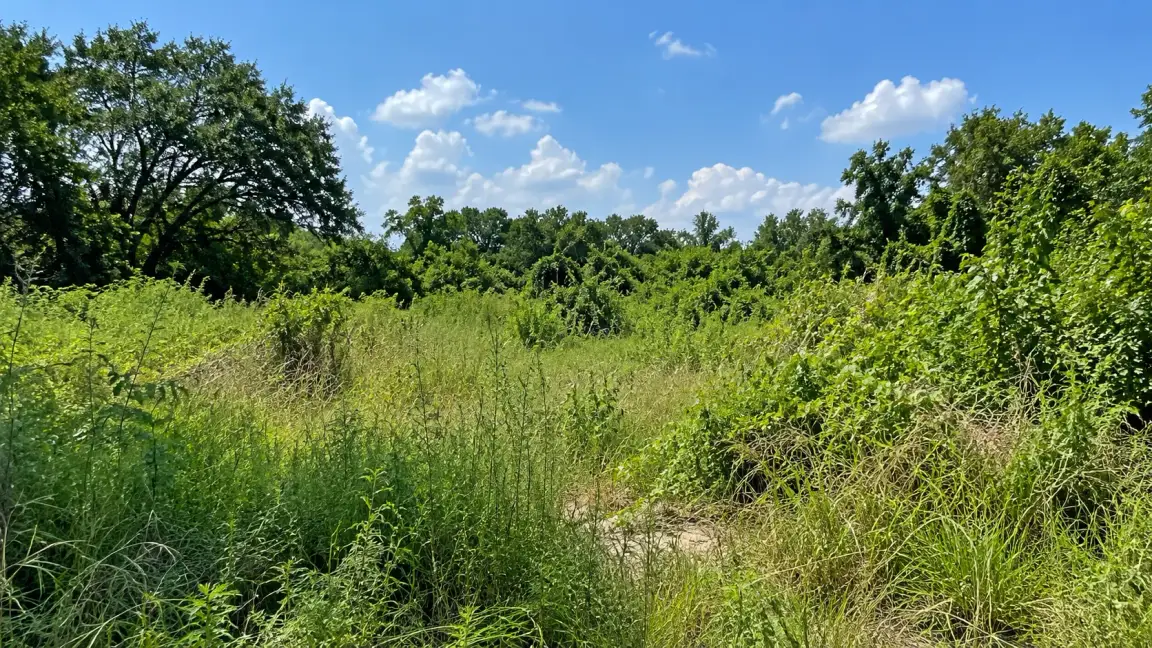

You have a piece of vacant land in Houston, and you’ve decided it’s time to sell.
Now comes the part that isn’t always so obvious.
How should you actually sell it?
Should you hire a real estate agent? Put up a sign and find a buyer yourself? Contact a developer? Try an auction? Or see what a cash land buyer would offer?
Each approach has advantages. Each has drawbacks. And the option that works well for one Houston landowner might be completely wrong for another.
A small residential lot in an established neighborhood is a different product from a wooded tract outside the city. A commercial parcel near a major road may attract different buyers than an inherited lot with limited access.
Your financial goals matter, too.
Maybe you want to maximize the sale price, even if it takes time. Maybe you’re tired of paying property taxes on land you never use. Or maybe you simply want a straightforward transaction without managing a long marketing process.
What are your options for selling vacant land in Houston?
There are seven common ways to sell vacant land in Houston: list with a real estate agent, sell it yourself, sell directly to a cash land buyer, approach neighboring property owners, market to builders or developers, use a real estate auction, or offer seller financing.
The best method depends on your property’s characteristics, your timeline, your willingness to handle the sale, and the amount you expect to keep after expenses.
Here’s how the seven options compare—and what you should consider before choosing one.
First, What Matters Most When Selling Vacant Land?
Before deciding how to sell, identify what a successful transaction looks like to you.
That may sound simple, but many owners begin marketing their property without answering the question.
For some, success means getting the highest supportable price.
For others, it means selling without spending another six months paying taxes, maintaining the lot, and answering buyer questions.
And for someone who inherited a property they never intended to own, reducing ongoing responsibilities may matter more than waiting for a potentially higher offer.
Start with five questions:
- How quickly do I need to sell? Is there a deadline, or can I wait?
- How much work am I willing to do? Do I want to handle inquiries, negotiations, and paperwork?
- Does the property have complications? Are access, utilities, title, boundaries, or drainage concerns likely to affect buyers?
- What will it cost to keep the land? Consider taxes, maintenance, assessments, and any financing.
- What matters more: the highest possible price or a more predictable transaction?
You don’t need to choose between price and convenience in every case.
But understanding your priorities makes the tradeoffs easier to evaluate.
1. List Your Vacant Land With a Real Estate Agent
For many property owners, hiring an agent is the most familiar approach.
A qualified real estate agent can help determine an asking price, market the property, communicate with buyers, negotiate offers, and coordinate the transaction.
This can be especially valuable if you don’t have experience selling land.
However, not every agent specializes in vacant property.
Selling a home and selling an undeveloped parcel involve different buyer questions, valuation methods, and marketing strategies.
A land buyer may care more about legal access, utility availability, lot dimensions, drainage, and development feasibility than cosmetic presentation.
Pros of listing with an agent
- Professional assistance with pricing and negotiations
- Potential exposure to a broader pool of buyers
- Less direct involvement in buyer inquiries
- Help coordinating offers, deadlines, and closing
- Possible competition among interested buyers
Cons of listing with an agent
- Commission and other selling expenses may apply
- The property may take time to sell
- Marketing doesn’t guarantee qualified offers
- Some agents have limited vacant-land experience
- You may be subject to a listing agreement with specific obligations
What to ask before hiring an agent
Ask how many vacant land transactions the agent has handled, particularly involving properties similar to yours.
Request an explanation of the proposed pricing strategy and marketing plan.
Also ask how the agent will reach the most likely buyer, whether that’s a homeowner, builder, investor, or developer.
The Texas Real Estate Commission provides information about real estate licensing, consumer protections, and brokerage-related requirements.
Best for: Owners who want professional representation, have a marketable parcel, and are comfortable allowing time for buyer exposure.
2. Sell the Land Yourself Without an Agent
Selling land by owner gives you direct control over the process.
You set the asking price, prepare the listing, answer questions, negotiate offers, and coordinate the transaction.
For some sellers, that’s appealing.
You may already know a potential buyer. You might own a straightforward lot with clear documentation. Or perhaps you’re comfortable handling negotiations and want to avoid entering a new brokerage agreement.
But selling without an agent also means taking on responsibilities that an agent would normally manage.
Pros of selling by owner
- Greater control over pricing and negotiations
- Direct communication with prospective buyers
- Flexibility in how and where you advertise
- Potential to avoid a listing commission
- Ability to manage the process on your schedule
Cons of selling by owner
- You handle marketing and inquiries
- Pricing land accurately can be difficult
- Unqualified buyers may consume time
- Contract and closing details require attention
- Mistakes involving property descriptions or transaction terms can create problems
What you’ll need to prepare
At minimum, gather accurate information about the property.
That may include:
- Street address or parcel identification
- Acreage and dimensions
- Existing survey or plat
- Road access information
- Utility availability
- Known restrictions
- Property-tax information
- Clear photographs and a map
You should also understand how offers, earnest money, contingencies, title review, and closing work.
The Texas Real Estate Commission’s Frequently Asked Questions explain important considerations involving real estate contracts and standard forms. For transaction-specific legal advice, consult a qualified Texas real estate attorney.
Best for: Owners who have the time and experience to manage a sale and are comfortable coordinating with buyers and closing professionals.
3. Sell Directly to a Cash Land Buyer
Another option is to contact a company or investor that purchases vacant land directly.
Instead of marketing the property publicly and waiting for a buyer, you provide the land’s details to a potential purchaser.
The buyer evaluates the parcel and determines whether it fits its acquisition criteria.
If it does, the buyer may make an offer.
You can then compare that offer with your other selling options.
Why some Houston owners choose a direct sale
A direct sale may appeal to you if:
- You no longer use or want the property
- You don’t want to manage a traditional listing
- You’re reluctant to spend money on improvements
- You want to explore selling the land as-is
- You’d prefer to evaluate a concrete offer
- You want to reduce ongoing ownership responsibilities
A genuine cash transaction can also avoid a buyer’s traditional mortgage-financing contingency.
But cash doesn’t automatically mean no inspections, no title review, or a guaranteed closing date.
Those details depend on the buyer and the contract.
Pros of selling to a direct land buyer
- No need to conduct a lengthy public marketing campaign
- Potential to sell without making improvements
- Direct communication with the purchasing party
- Opportunity to compare an actual offer
- Potentially fewer financing-related complications
Cons of selling to a direct land buyer
- The offer may be lower than a price achievable through broader marketing
- Buyers have specific acquisition criteria
- Not every property qualifies
- Due diligence and contingencies may still apply
- You need to verify the buyer’s identity and ability to close
How does 1800LOTS work?
1800LOTS is a Houston-based buyer of vacant and undeveloped land, including select commercial land.
The process generally begins when you share information about your property.
The company reviews the parcel and determines whether it fits its buying criteria.
If an offer is made, you can review the price and terms before deciding whether to proceed.
There is no obligation to accept simply because you requested an offer.
You can learn more about how 1800LOTS buys land or visit the Houston land-buying page.
Best for: Owners who want to compare a direct purchase offer with the time, expense, and uncertainty of continued marketing.
4. Approach Neighboring Property Owners
Sometimes the best potential buyer isn’t actively shopping for vacant land.
They already own property next door.
An adjoining owner may value your lot for reasons that aren’t obvious to the broader market.
Perhaps they want additional yard space, privacy, a larger combined parcel, or room for a lawful expansion.
A business owner might be interested in adjacent land for future operations, subject to applicable requirements.
And a small, unusually shaped parcel may be more useful when combined with neighboring property than when sold independently.
Pros of selling to a neighbor
- You may reach a buyer with a specific reason to want the land
- The property may have greater practical value to an adjoining owner
- You can initiate a direct conversation
- Public marketing may be unnecessary if an agreement is reached
- This approach can work for certain small or unusual lots
Cons of selling to a neighbor
- Neighboring owners may have no interest
- The buyer pool is very limited
- Price expectations may differ significantly
- Negotiations can become personal
- You still need an appropriate contract and closing process
How to approach the conversation
Keep it simple.
Explain that you’re considering selling the property and wanted to find out whether they might be interested.
Be prepared to provide accurate parcel details and a reasonable explanation of your price expectations.
Don’t assume a neighbor can use the property for a particular purpose without checking applicable restrictions.
And don’t feel obligated to accept an offer just because you know the buyer.
Best for: Small lots, irregular parcels, and properties that may have strategic value to adjoining owners.
5. Market the Land Directly to Builders or Developers
If your land has development potential, it may make sense to approach buyers who specialize in turning vacant property into completed projects.
That could include residential builders, commercial developers, or investors seeking particular types of land.
The key is matching the parcel to a realistic project.
A builder looking for individual residential lots may not be interested in a large commercial tract.
A developer seeking road frontage may reject a property with uncertain access.
And a parcel that looks attractive on a map may still have drainage, utility, or platting challenges.
Pros of targeting builders or developers
- You can reach buyers who understand land development
- Certain parcels may fit a buyer’s existing project pipeline
- Buyers may have experience evaluating complicated land
- Development potential may support competitive offers
- Some buyers can evaluate multiple parcels or larger tracts
Cons of targeting builders or developers
- Buyers may have strict acquisition criteria
- Feasibility studies can take time
- Offers may include substantial due-diligence periods
- Development costs can reduce the price buyers are willing to pay
- A promising conversation doesn’t guarantee a purchase
What developers may want to know
Expect questions about:
- Parcel dimensions
- Legal access and frontage
- Utility availability and capacity
- Flood and drainage conditions
- Existing restrictions
- Subdivision or platting requirements
- Potential development costs
Don’t advertise land as “ready to build” or “approved for development” unless those claims are supported.
Best for: Parcels with credible residential or commercial development potential and owners willing to work through a more detailed evaluation process.
6. Sell the Property Through a Real Estate Auction
An auction offers another way to bring buyers together and establish a sale process.
Depending on the auction format, interested buyers may compete through bidding under specified terms.
Some auctions are conducted online, while others use different marketing and bidding arrangements.
For certain properties, an auction can create urgency and establish a defined sales event.
But an auction doesn’t guarantee a particular price—or even a successful sale.
Pros of selling land at auction
- A defined marketing and bidding period
- Potential competition among qualified bidders
- A structured sale process
- May attract investors comfortable with auction purchases
- Can be useful when the seller wants to test buyer interest through competitive bidding
Cons of selling land at auction
- Auctioneer, marketing, or other fees may apply
- Buyer turnout can vary
- The final price may be disappointing
- Reserve and nonreserve auction terms have different risks
- Some buyers avoid auctions because of their conditions or deadlines
What to ask an auction company
Before signing an auction agreement, find out:
- What types of land the company has successfully sold
- How the property will be marketed
- What fees apply
- Whether the auction has a reserve price
- What happens if bidding doesn’t reach your expectations
- What deposits and closing terms bidders must accept
A reserve auction may allow the seller to establish a minimum acceptable price under the agreed terms.
A nonreserve auction can involve a greater risk of selling below expectations.
Make sure you understand the specific arrangement.
Best for: Owners who want a defined sales event and understand the financial risks and contractual terms of the auction.
7. Offer Seller Financing to Attract More Buyers
Seller financing works differently from a traditional cash sale.
Instead of receiving the entire purchase price at closing, the seller agrees to receive some or all of the price over time under negotiated financing terms.
For example, a buyer might make a down payment and then pay the remaining balance through scheduled payments.
This can appeal to buyers who cannot or do not want to obtain conventional financing.
But it also changes the seller’s role.
You’re no longer simply selling land.
You’re taking on credit and payment risk.
Pros of offering seller financing
- May expand the pool of potential buyers
- Creates flexibility in negotiating payment terms
- Can generate payments over time
- May make certain difficult-to-finance parcels more marketable
- May allow the seller to negotiate interest and other terms
Cons of offering seller financing
- You may not receive the full price immediately
- The buyer may default
- Legal documentation and servicing require attention
- Enforcement and foreclosure can be complicated
- Tax consequences can differ from an immediate sale
What should sellers consider?
Important terms may include:
- Down payment
- Interest rate
- Repayment schedule
- Maturity date
- Security for the debt
- Default provisions
- Insurance and tax obligations
- Restrictions on transfers
- Legal and servicing costs
Texas law can impose specific requirements depending on how a seller-financed transaction is structured.
The IRS Publication 537, Installment Sales, explains federal tax concepts that may apply when qualifying property is sold with payments received over more than one tax year.
Tax treatment depends on the transaction and the property.
Before offering seller financing, speak with a Texas real estate attorney and qualified tax adviser.
Best for: Owners who can tolerate delayed proceeds, understand the risks, and want to consider buyers who need alternative financing.
Comparing the 7 Ways to Sell Vacant Land in Houston
Each method solves a different problem.
The following table can help narrow your options.
| Selling Method | Main Advantage | Main Drawback | Often Best Suited For |
|---|---|---|---|
| Real estate agent | Professional marketing and representation | Commission and uncertain time to sell | Owners seeking broader buyer exposure |
| For sale by owner | Direct control | Seller handles marketing and transaction work | Experienced, hands-on owners |
| Direct cash land buyer | Opportunity for a more direct transaction | Offer may reflect buyer’s required return | Owners prioritizing simplicity and comparing offers |
| Neighboring owner | Potential strategic value | Very limited buyer pool | Small or unusual parcels |
| Builder or developer | Buyers focused on land potential | Detailed feasibility and contingencies | Development-oriented properties |
| Real estate auction | Defined bidding event | Uncertain outcome and possible fees | Owners comfortable with auction risk |
| Seller financing | May broaden buyer eligibility | Delayed proceeds and default risk | Owners willing to manage financing exposure |
There’s no universal winner.
A brokered sale may produce a higher price when the property attracts strong demand.
A direct buyer may be appealing when you want to avoid another long marketing process.
A neighboring owner may be the most logical buyer for a parcel with limited standalone utility.
The right choice depends on your property and priorities.
Which Selling Option Could Get You the Most Money?
It’s natural to want the highest price.
But a high asking price and a high net return aren’t necessarily the same thing.
Suppose one buyer offers more but requires you to pay for improvements and wait several months.
Another offers less but doesn’t require those improvements.
The first offer may still be better.
Or the second may leave you with more money after expenses.
You won’t know until you compare the numbers.
Focus on estimated net proceeds
A simplified calculation is:
Estimated net proceeds = sale price − commissions − seller closing costs − agreed improvements − outstanding obligations − additional holding expenses
Taxes on the sale and other property-specific financial consequences may also affect your overall outcome.
Consider an illustrative example.
| Item | Brokered Sale | Direct Sale |
|---|---|---|
| Purchase price | $100,000 | $94,000 |
| Assumed commission | $5,000 | $0 |
| Other assumed seller expenses | $2,000 | $1,000 |
| Additional assumed holding costs | $1,500 | $500 |
| Estimated proceeds before taxes and other obligations | $91,500 | $92,500 |
These are hypothetical numbers, not Houston market averages or promises about actual commissions, fees, or direct-buyer terms.
The example simply shows why a higher gross price doesn’t always produce higher net proceeds.
Also consider the probability that each buyer will close.
An offer isn’t the same thing as money received at closing.
Which Method Is Fastest for Selling Vacant Land?
A direct sale or an auction may provide a more defined path than an open-ended listing, depending on the transaction.
But no method guarantees a specific closing date.
Potential delays include:
- Title problems
- Unresolved inheritance matters
- Liens or unpaid taxes
- Survey questions
- Access concerns
- Buyer inspections
- Financing requirements
- Contract contingencies
Even a cash buyer may need time to investigate the property.
If speed matters, ask each potential buyer what must happen before closing and what could delay the transaction.
Don’t rely solely on an advertised timeline.
Can You Sell Houston Land Without Making Improvements?
Potentially, yes.
Some buyers consider vacant land in its existing condition.
That may include parcels with overgrowth, missing utilities, drainage concerns, or other complications.
But not every buyer accepts every condition.
And an as-is sale doesn’t automatically eliminate due diligence, title requirements, or applicable legal obligations.
If the property has significant challenges, review 9 Things That Can Make Vacant Land Hard to Sell in Houston.
Before paying for clearing, utility work, or other improvements, ask whether those expenses are likely to improve your net proceeds.
You may find that selling as-is is more practical.
Or you may discover that resolving one specific issue could attract more qualified buyers.
What If Your Vacant Land Has Been Listed but Still Won’t Sell?
Don’t assume the only solution is another price reduction.
First, identify where the process is failing.
Are buyers seeing the listing?
Are they making inquiries?
Are offers coming in?
Are contracts falling apart after due diligence?
Each situation points toward a different response.
If you’re struggling with an unsuccessful listing, see 8 Options When Your Vacant Land Won’t Sell in Houston.
That guide focuses on what to do after a selling strategy hasn’t produced results.
You may not need to abandon your original plan.
But you should understand why it isn’t working before investing more time or money.
How to Choose the Right Way to Sell Your Houston Land
Here’s a practical decision framework.
If maximizing price is your highest priority
Consider whether broader marketing through a land-focused agent or direct outreach to builders and developers could create competition.
Be prepared to evaluate the time, commissions, and other expenses involved.
If you want to handle the sale yourself
Selling by owner may fit, particularly if the property is straightforward and you’re comfortable managing inquiries and negotiations.
Make sure you have appropriate legal and closing support.
If the parcel is small or unusual
Explore whether adjoining owners have a reason to purchase it.
You may find that the land has a practical use that isn’t obvious to the general market.
If you want a defined sales event
Investigate an auction, including its reserve terms, fees, and risks.
Don’t assume competitive bidding will automatically produce the price you want.
If buyers have trouble obtaining financing
Seller financing may be worth considering, but only after evaluating the legal, financial, and default risks.
If you want to avoid a lengthy marketing process
Requesting an offer from a direct land buyer may give you another option to compare.
You don’t have to accept an offer simply because you requested it.
If you’re unsure
Start by understanding the property’s marketability, your likely net proceeds, and the cost of continuing to own it.
Then choose the approach that best matches your priorities.
What Should You Prepare Before Selling Vacant Land in Houston?
Regardless of the method, having the right information can make the process easier.
Use this checklist before marketing the property or requesting an offer.
- Confirm the property address or parcel identification number.
- Gather the deed and ownership information.
- Locate any existing survey or plat.
- Identify known easements and access arrangements.
- Check available utility information.
- Review known flood or drainage conditions.
- Identify applicable deed restrictions.
- Gather current property-tax information.
- Document significant physical issues.
- Review any existing listing agreement.
- Decide on your preferred price and acceptable terms.
- Calculate the approximate cost of continuing to hold the property.
You don’t need to solve every issue before talking to buyers.
But accurate information can reduce unnecessary uncertainty and help you compare offers more effectively.
Frequently Asked Questions About Ways to Sell Land in Houston
What are the different ways to sell vacant land in Houston?
Seven common methods are listing with an agent, selling by owner, contacting a direct cash buyer, approaching neighboring owners, marketing to builders or developers, using an auction, and offering seller financing.
What’s the easiest way to sell vacant land?
The easiest method depends on the property and your priorities. A direct sale may reduce marketing work, while an agent may handle much of the process for you. Both still involve transaction requirements.
Can I sell land in Houston without a real estate agent?
Yes. Owners can sell directly to buyers, subject to applicable legal requirements and any existing contractual obligations.
Is it better to sell land to a cash buyer or list it?
Neither is automatically better. Compare realistic net proceeds, marketing time, transaction costs, contingencies, and buyer reliability.
Can I sell land that doesn’t have utilities?
Potentially. Buyers may consider land without existing connections, although availability and infrastructure costs can affect demand and price.
Can I sell inherited vacant land in Houston?
Potentially, provided the necessary ownership and title requirements are addressed. Some inherited properties require additional legal or estate-related work.
Do I have to clear my lot before selling?
Not necessarily. Some buyers consider overgrown or undeveloped parcels as-is. Evaluate whether clearing would meaningfully improve your net proceeds.
How much does it cost to sell vacant land in Houston?
Costs vary by selling method and contract. They may include commissions, title expenses, survey costs, legal fees, agreed improvements, and ongoing holding costs.
Are land auctions a good idea?
They can be useful for certain sellers and properties, but results are uncertain. Review fees, reserve terms, marketing plans, and contractual obligations.
Is seller financing risky?
It can be. Sellers may face delayed payments, default risk, and legal or servicing obligations. Obtain professional advice before using this approach.
Will 1800LOTS buy my vacant land?
1800LOTS considers vacant and undeveloped land in its target markets, including select commercial land. Eligibility depends on the specific parcel, and an offer is not guaranteed.
Can I request an offer without committing to sell?
Yes. Requesting a no-obligation offer doesn’t automatically require you to accept it. Review any agreement carefully before signing.
The Best Way to Sell Your Land Is the One That Fits Your Situation
There’s no shortage of advice about selling real estate.
But vacant land is different.
You aren’t selling a kitchen, a floor plan, or a move-in-ready home.
You’re selling a property whose value depends on its location, characteristics, potential uses, and the buyers who see an opportunity in it.
That’s why choosing the right selling method matters.
An agent may help you reach more buyers.
Selling by owner may give you greater control.
A neighboring property owner may have a special reason to want your lot.
A builder may see development potential.
An auction may provide a defined sales process.
Seller financing may make the property accessible to a different group of buyers.
And a direct cash buyer may offer an alternative to the traditional marketing process.
None of those approaches is automatically the right answer.
The best decision comes from understanding what you own, what you want to accomplish, and what each option would actually involve.
If you’re still comparing methods, explore the 1800LOTS land-selling options guide.
You can also review how the direct land-selling process works or visit the frequently asked questions.
And if you own vacant land in Houston and would like to compare a direct offer with your other options, you can request a no-obligation offer from 1800LOTS.
Not every property will qualify.
But understanding what a buyer may offer can help you decide whether to list, negotiate, hold, or pursue a different path.
Because the goal isn’t simply to sell your land.
It’s to sell it in a way that makes sense for you.
This article is for general educational purposes and does not constitute legal, tax, financial, surveying, or real estate valuation advice. Property-specific circumstances and transaction requirements should be evaluated with qualified professionals.