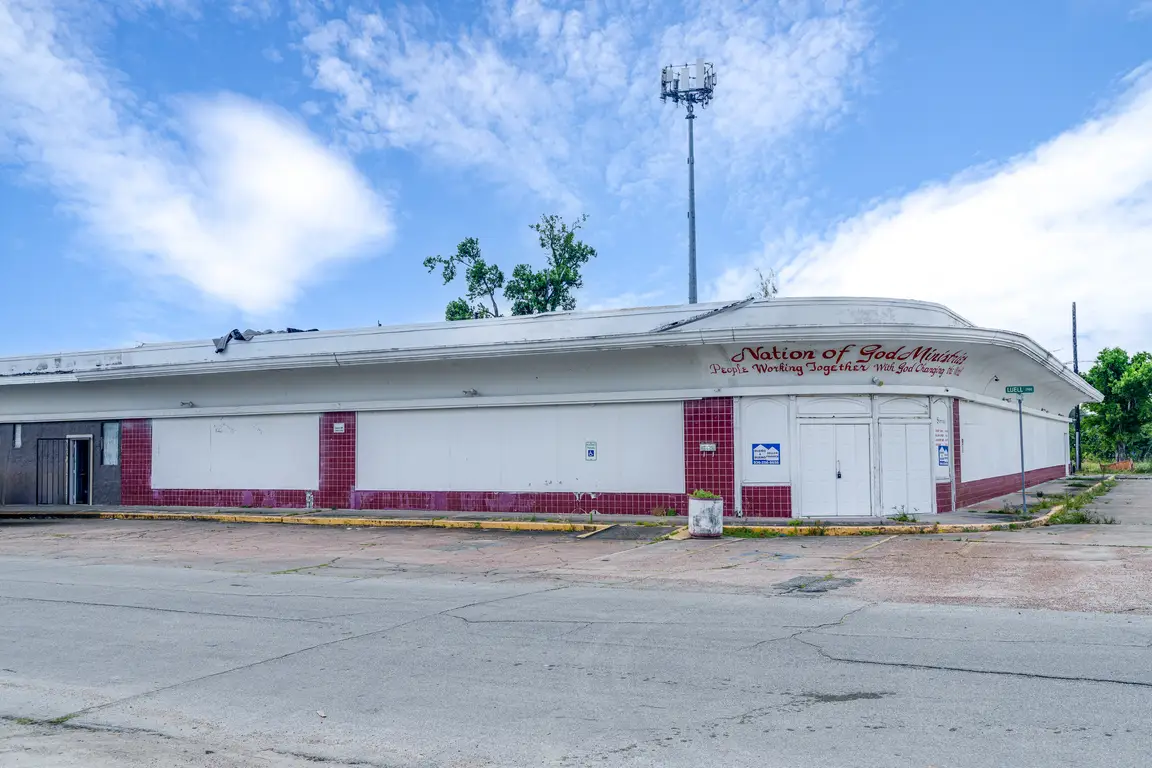

You own a commercial property in Houston, and you’re ready to sell.
Maybe it’s a vacant retail building that’s been sitting empty longer than expected. Maybe you’re tired of managing tenants at a small office property. Or perhaps you own a commercial lot that no longer fits your plans.
Whatever the reason, you’ve probably started thinking about the usual selling process: hiring a broker, preparing the property, waiting for offers, negotiating inspections, and hoping the buyer’s financing comes through.
Then someone mentions another option.
Why not sell the property for cash?
It sounds appealing. No waiting on a traditional commercial mortgage. Potentially fewer financing-related complications. And the possibility of moving on without months of marketing.
But commercial real estate isn’t the same as selling a house. And a cash offer isn’t automatically the best offer.
So, can you sell commercial property for cash in Houston?
Yes. Commercial property owners in Houston can sell directly to cash buyers, including investors, real estate investment firms, developers, and other qualified purchasers. Cash transactions can eliminate a buyer’s mortgage-financing contingency, but buyers may still require inspections, title review, environmental due diligence, and other conditions before closing.
The real question isn’t simply whether you can sell for cash.
It’s whether the offer, buyer, timeline, and contract terms make sense for your property.
Here’s what you should know before making that decision.
1. What Does It Mean to Sell Commercial Property for Cash?
In a commercial real estate transaction, a cash buyer generally purchases the property without relying on a traditional mortgage loan to fund the acquisition.
Instead of applying for a bank loan tied to the property, the buyer intends to use available funds or another noncontingent source of capital.
That distinction can matter.
A financed buyer may need to satisfy a lender’s requirements before closing. Those requirements might include underwriting, appraisal, financial review, environmental documentation, and loan approval.
A cash buyer may not have those same lender-driven conditions.
However, cash does not mean no due diligence.
An experienced commercial buyer may still investigate the property extensively.
For example, someone buying a warehouse might review the roof, structural condition, loading access, environmental history, and tenant arrangements.
Someone buying a retail center may focus on rent rolls, lease terms, operating expenses, and tenant credit.
Someone buying commercial land may investigate access, utilities, drainage, deed restrictions, and development feasibility.
The difference is that a cash buyer may have more control over the financing side of the transaction.
That can simplify one part of the process.
It doesn’t eliminate the need to evaluate the asset.
2. What Types of Commercial Property Can Be Sold for Cash in Houston?
Cash transactions aren’t limited to vacant buildings or distressed real estate.
Different buyers specialize in different assets.
| Commercial Property Type | What a Cash Buyer May Evaluate |
|---|---|
| Vacant commercial land | Location, access, utilities, development feasibility, restrictions |
| Retail buildings | Condition, location, tenant demand, redevelopment potential |
| Shopping centers | Rent roll, occupancy, lease terms, operating income |
| Office buildings | Tenant mix, vacancy, building systems, operating expenses |
| Warehouses | Clear height, loading access, location, physical condition |
| Industrial property | Site layout, power capacity, environmental history, functionality |
| Mixed-use property | Income, permitted uses, tenant arrangements, redevelopment potential |
| Vacant commercial buildings | Condition, repair costs, carrying expenses, reuse potential |
The important distinction is buyer specialization.
A company that purchases commercial lots may not buy operating shopping centers.
An investor seeking occupied industrial buildings may have no interest in undeveloped land.
Before spending time negotiating, ask whether the buyer actively purchases your type of property.
What about 1800LOTS?
1800LOTS is a Houston-based direct land buyer that publicly identifies commercial land among the property types it considers.
If you own vacant commercial land or a development parcel, you can explore its Houston land-buying service.
For improved commercial buildings, such as offices, warehouses, and retail centers, confirm acquisition eligibility directly before assuming the company is a fit.
That simple conversation can save both parties time.
3. Why Do Houston Owners Choose to Sell Commercial Property for Cash?
The appeal usually comes down to some combination of time, convenience, risk, and financial priorities.
But every seller’s situation is different.
You want to avoid financing-related delays
Traditional commercial financing can involve multiple approval stages.
Even a motivated buyer may face delays if a lender requests additional documentation, revises its terms, or declines the loan.
A genuine cash transaction removes that particular dependency.
You don’t want to keep paying holding costs
An empty commercial building can still generate expenses.
Property taxes, insurance, security, utilities, maintenance, and other carrying costs may continue even when the property isn’t producing income.
Commercial land can also create ongoing ownership expenses without generating revenue.
Selling sooner may reduce future holding costs, although the exact benefit depends on your situation.
You don’t want to make extensive improvements
Perhaps the building needs work.
Or the property has become difficult to manage.
Some investors purchase commercial real estate in its existing condition and account for necessary improvements in their offer.
That doesn’t mean every cash buyer accepts every property condition.
It means an as-is transaction may be possible when the buyer understands the risks and the contract addresses them.
You’re reallocating capital
You may want to sell one asset to invest in another business, purchase different real estate, or simplify your portfolio.
In that case, certainty about the transaction and timing may matter alongside price.
You’ve inherited or no longer use the property
An inherited commercial lot or building may not fit your financial plans.
A direct offer can provide another option to compare with listing the property.
The common thread: Cash selling can be useful when the seller values a more direct transaction—but the economics still need to work.
4. How Do Commercial Cash Buyers Determine Their Offers?
There’s no universal formula that every commercial buyer uses.
And that’s one reason two buyers can offer very different amounts for the same property.
A buyer’s valuation depends on the asset, its potential use, expected expenses, and the buyer’s investment strategy.
For income-producing commercial buildings
A buyer may examine:
- Net operating income (NOI)
- Current occupancy
- Lease terms and expiration dates
- Tenant credit and payment history
- Comparable property sales
- Capitalization rates
- Deferred maintenance
- Future capital expenditures
- Local leasing and resale conditions
NOI generally reflects property income after operating expenses but before items such as debt service and income taxes.
A simplified income-capitalization relationship is:
Estimated value = Net operating income ÷ capitalization rate
For illustration, a property with annual NOI of $120,000 valued at an assumed 8% capitalization rate would imply $1.5 million.
That’s an example of the calculation—not a current Houston cap-rate estimate or a valuation of any particular property.
Actual valuation may require adjustments for vacancy, leases, capital needs, market conditions, and other factors.
For vacant commercial buildings
The buyer may focus more heavily on:
- Comparable sales
- Repair and renovation costs
- Potential rental income
- Time needed to lease the space
- Carrying expenses during vacancy
- Alternative uses
- Resale potential
For vacant commercial land
The analysis may emphasize:
- Parcel size and shape
- Road frontage and legal access
- Utilities
- Drainage and flood considerations
- Deed restrictions
- Development requirements
- Comparable land transactions
- Site-preparation costs
A commercial land buyer may see opportunity in a parcel that wouldn’t appeal to an investor looking for an occupied building.
If you own vacant land, our guide to how cash buyers evaluate land in Houston explains the major considerations.
Why might a cash offer be lower than a listing price?
A direct buyer may account for repair costs, holding expenses, uncertainty, future transaction costs, and a required investment return.
A listing price, meanwhile, is an asking figure—not a guaranteed sale amount.
That’s why comparing a cash offer with an ambitious asking price can be misleading.
A better comparison looks at realistic net proceeds and transaction terms.
5. Can You Sell Commercial Property As-Is for Cash?
Potentially.
But it’s important to understand what as-is means.
An as-is sale generally means the buyer agrees to accept the property’s condition under the contract’s terms.
It does not automatically mean:
- The buyer gives up all inspection rights
- The seller can conceal known problems
- Environmental issues no longer matter
- Title defects can be ignored
- The buyer must close regardless of what it discovers
A commercial buyer may agree that the seller doesn’t have to make repairs while still reserving the right to inspect and terminate during a negotiated due-diligence period.
For example, an investor might purchase a vacant warehouse with an aging roof.
The buyer could accept responsibility for future repairs but still want an inspection to understand the expected expense.
Similarly, a commercial land buyer may consider a parcel with drainage or access challenges while adjusting its offer to reflect those conditions.
What should sellers do?
Be accurate about what you know.
Gather available reports, surveys, maintenance records, and other relevant documents.
Then review the purchase agreement carefully.
The goal isn’t to eliminate every concern before selling.
It’s to make sure the buyer understands the asset and both parties understand their contractual obligations.
6. What Due Diligence Should You Expect From a Commercial Cash Buyer?
This is where commercial real estate differs significantly from a simple consumer transaction.
A serious buyer may request substantial information before committing to close.
The scope depends on the property.
| Due-Diligence Area | Common Buyer Questions |
|---|---|
| Title | Who owns the property, and what liens or recorded interests affect it? |
| Survey | Where are the boundaries, improvements, and easements? |
| Physical condition | Are there major repair or maintenance needs? |
| Environmental | Does past or current use warrant investigation? |
| Leases | What obligations transfer to the buyer? |
| Financial performance | What income and expenses does the property generate? |
| Taxes | What property-tax obligations or disputes exist? |
| Land use | Is the intended use legally and practically feasible? |
| Utilities and access | Can the property support the buyer’s plans? |
| Contracts | Are there service, management, or other agreements affecting the asset? |
Environmental due diligence deserves special attention
Certain commercial properties have histories that warrant environmental investigation.
Examples can include industrial sites, former automotive facilities, or properties with known or suspected hazardous-substance use.
The U.S. Environmental Protection Agency’s All Appropriate Inquiries guidance explains the framework for investigating environmental conditions and certain potential liability protections.
A Phase I environmental site assessment may be appropriate in a commercial transaction, depending on the circumstances.
A cash buyer doesn’t automatically waive that investigation simply because no lender is involved.
What if you don’t have every document?
You may still be able to pursue a sale.
Start by gathering what you have and identifying what’s missing.
A buyer may be willing to obtain some documents during due diligence, but that should be agreed upon rather than assumed.
7. How Fast Can You Sell Commercial Property for Cash in Houston?
Cash transactions can move faster than financed sales because they don’t depend on conventional mortgage approval.
But there is no universal commercial closing timeline.
The schedule depends on the asset and transaction.
A straightforward vacant commercial parcel with clear title may require less investigation than an occupied industrial property with complex leases and environmental questions.
Potential delays include:
- Title defects
- Unresolved liens
- Missing surveys
- Environmental investigations
- Tenant documentation
- Lease assignment requirements
- Ownership or entity-authorization questions
- Negotiated inspection periods
- Closing-document preparation
A buyer advertising a quick closing should be able to explain what must happen before funds are released.
Questions to ask about timing
- When does the due-diligence period begin and end?
- Is the closing date firm or conditional?
- What documents must the seller provide?
- What issues could extend the timeline?
- When and how will the purchase funds be verified?
- Who coordinates the title and closing process?
A credible closing plan is more valuable than an unsupported promise to close in a few days.
8. How Do You Know Whether a Commercial Cash Buyer Is Legitimate?
This is one of the most important parts of the transaction.
A buyer’s willingness to make an offer doesn’t establish that the buyer can perform.
Before signing, find out exactly who you’re dealing with.
Verify the purchasing entity
Ask for the legal name of the person or company that will appear on the contract.
If the buyer uses an LLC or another entity, confirm which entity is responsible for the purchase.
Ask about funding
A cash buyer should be able to discuss how the acquisition will be funded.
Depending on the transaction, appropriate verification may include proof of funds or confirmation through the closing professional.
Be cautious about documents that cannot be independently verified.
Review the earnest-money arrangement
Find out:
- How much earnest money will be deposited
- Who will hold it
- When it becomes refundable or nonrefundable
- Under what circumstances the buyer can terminate
Understand assignment rights
Some buyers intend to purchase the property themselves.
Others may contract with the right to assign the agreement to another party.
Assignment isn’t automatically improper, but sellers should understand whether it is allowed, who remains responsible, and how it could affect closing.
Be wary of pressure
You should have enough time to review the proposed agreement and seek professional advice.
Be cautious when a buyer refuses to identify the purchasing entity, avoids discussing contingencies, or pressures you to sign before you understand the terms.
For vacant land transactions, see our guide to what to look for in a cash land buyer in Houston.
Many of those buyer-verification principles also apply to commercial property.
9. Is a Cash Offer Better Than Listing Commercial Property With a Broker?
Not necessarily.
The better option depends on the property, your goals, and the actual offers available.
A commercial broker may help expose the property to a larger pool of qualified buyers.
That can be valuable when the asset has broad investor appeal or when maximizing the sale price is the primary objective.
A direct cash buyer may offer a more streamlined transaction with fewer marketing steps.
But the price may reflect the convenience, risk, and investment economics involved.
Here’s how the approaches compare.
| Consideration | Brokered Commercial Sale | Direct Cash Sale |
|---|---|---|
| Buyer exposure | Broader marketing potential | Usually one buyer at a time |
| Marketing | Typically handled by broker | Often unnecessary |
| Financing contingency | Depends on buyer | Generally absent in a genuine cash offer |
| Due diligence | Expected | Still expected |
| Property preparation | Depends on buyer and strategy | May be purchased as-is |
| Broker commission | Depends on agreement | May be avoided in a direct transaction |
| Price discovery | Competition may help | Compare direct offers and market evidence |
| Closing timeline | Depends on transaction | Potentially shorter, not guaranteed |
| Net proceeds | Must be calculated | Must be calculated |
The key is to compare the actual economics.
An illustrative comparison
Suppose you’re considering two hypothetical offers.
Offer A: Traditional sale
- Purchase price: $1,000,000
- Assumed selling expenses: $60,000
- Estimated seller proceeds before taxes and other obligations: $940,000
Offer B: Direct cash sale
- Purchase price: $930,000
- Assumed selling expenses: $10,000
- Estimated seller proceeds before taxes and other obligations: $920,000
In this example, the traditional sale produces $20,000 more before considering timing, carrying costs, or other transaction differences.
But if Offer A involves significant uncertainty or additional months of ownership expenses, the comparison could change.
These figures are illustrative, not estimates of Houston commission rates, closing costs, or typical cash-offer discounts.
The point is simple:
Compare what you expect to keep, what you must do to close, and how confident you are that the transaction will actually happen.
10. What Taxes Should You Consider Before Selling Commercial Property for Cash?
The method of payment doesn’t determine the entire tax treatment of the sale.
Selling for cash can still create federal income-tax consequences.
Depending on how the property was owned and used, issues may include:
- Adjusted tax basis
- Capital gains
- Depreciation recapture
- Business-property gains or losses
- Installment-sale considerations
- Entity-level tax treatment
- Potential tax-deferral planning
The IRS instructions for Form 4797 explain reporting rules that can apply to sales of business property, including certain depreciable real estate.
Not every commercial real estate sale is reported in the same way.
For example, vacant investment land and depreciable business-use buildings can raise different tax questions.
If you are considering a like-kind exchange or other tax strategy, consult a qualified tax adviser before committing to contract terms or deadlines.
A cash sale may simplify financing. It doesn’t make the tax consequences disappear.
11. What Should You Prepare Before Requesting a Commercial Cash Offer?
You don’t need a perfect information package just to begin a conversation.
But providing accurate details can help a serious buyer determine whether the property fits its acquisition criteria.
Start with the basics.
Property identification
- Street address or parcel identification number
- Property type
- Approximate land and building size
- Ownership entity
- Occupancy status
Financial information, if applicable
- Current rent roll
- Lease agreements
- Operating statements
- Property-tax information
- Major recurring expenses
Physical and legal documents, if available
- Existing survey
- Title documents
- Environmental reports
- Property-condition reports
- Major repair records
- Easements or restrictions
For vacant commercial land, the buyer may place more emphasis on access, utilities, drainage, and development feasibility.
For an occupied commercial building, leases and operating information may be central to the evaluation.
Don’t invent figures or make claims you’re unable to verify.
If something is unknown, say so.
A credible buyer should be able to explain what additional information is necessary.
12. How Does Selling Commercial Land for Cash to 1800LOTS Work?
If you own vacant commercial land in Houston, a direct sale may be worth comparing with a traditional listing.
1800LOTS focuses on purchasing lots and land, including select commercial parcels.
The process begins with information about the property.
Step 1: Share your property details
Provide the location or parcel identification information and any relevant facts you know.
Step 2: The property is evaluated
1800LOTS reviews the parcel and determines whether it fits the company’s acquisition criteria.
Step 3: Review any offer
If the property qualifies and an offer is made, review the price, terms, contingencies, and expected proceeds.
There’s no obligation to accept simply because you requested an offer.
Step 4: Complete the agreed closing process
If you accept, the transaction proceeds through the required title and closing steps.
Timing depends on the property’s circumstances and the contract.
You can read more about the 1800LOTS selling process and review the frequently asked questions.
Own an improved commercial building? Contact the company to confirm whether the property is within its current acquisition scope before relying on the land-specific process.
13. Seven Questions to Ask Before Accepting a Commercial Cash Offer
A cash offer should start a serious evaluation, not end it.
Before signing, ask these seven questions.
1. Are you purchasing the property yourself?
Find out who will be on the purchase agreement and whether the contract may be assigned.
2. Can you verify your ability to close?
Ask what funding documentation can be provided and how funds will be handled.
3. What due diligence do you require?
Understand inspections, environmental reviews, document requests, and the buyer’s cancellation rights.
4. Who pays the closing expenses?
Confirm title charges, survey expenses, legal fees, broker commissions, and other negotiated costs.
5. What is my estimated net amount at closing?
Request a clear breakdown of deductions and seller obligations.
6. What could change the offer?
Ask whether the price is firm or subject to further investigation.
7. What happens if the buyer doesn’t close?
Review earnest money, termination provisions, deadlines, and available remedies with your attorney.
These questions can help you distinguish a serious proposal from an attractive number that may never turn into a completed sale.
Frequently Asked Questions About Selling Commercial Property for Cash in Houston
Can I sell my commercial property for cash in Houston?
Yes. Commercial property can be sold to buyers who purchase without traditional mortgage financing. Eligibility and terms depend on the property and the buyer’s acquisition criteria.
Are there cash buyers for commercial buildings in Houston?
Yes. Some investors and real estate firms purchase commercial buildings for cash. Buyers may specialize in retail, office, industrial, mixed-use, or other assets.
Can I sell a vacant commercial building as-is?
Potentially. A buyer may accept the property in its current condition while retaining negotiated inspection and due-diligence rights.
Do commercial cash buyers purchase properties with tenants?
Some do. They may review leases, rent rolls, tenant obligations, operating expenses, and other financial information before making an offer.
Can I sell commercial property with a mortgage?
Potentially. Existing loans and liens generally need to be addressed as part of closing, and certain loans may involve prepayment provisions or other requirements. Review the loan documents and consult the relevant professionals.
How quickly can a commercial cash sale close?
It depends on title, due diligence, environmental considerations, leases, documentation, and contract terms. Cash may eliminate mortgage approval delays but doesn’t guarantee a particular closing date.
Will I receive full market value from a cash buyer?
Not necessarily. Buyers evaluate properties according to their investment requirements and expected costs. Compare the offer with credible market evidence and realistic net proceeds.
Do I need a real estate agent to sell commercial property for cash?
Not necessarily. Owners may negotiate directly with buyers, although a qualified commercial broker or attorney can provide valuable assistance. Existing representation agreements may affect commissions or obligations.
Is selling commercial property for cash safe?
It can be, provided the parties use appropriate contracts, verify the buyer and funding, and complete the transaction through reputable closing professionals. Cash alone does not eliminate transaction risk.
Does 1800LOTS buy commercial property in Houston?
1800LOTS publicly identifies select commercial land among the property types it considers. Owners of commercial buildings should confirm directly whether their specific property qualifies.
Can I request a cash offer without committing to sell?
Yes, a no-obligation inquiry allows you to explore an offer without automatically agreeing to a sale. Always review any document before signing.
The Right Commercial Cash Offer Should Give You Clarity, Not Pressure
Selling commercial property can be a significant financial decision.
Whether you own a vacant retail building, an income-producing property, a warehouse, or commercial land, you deserve to understand your options before committing.
A cash sale may help you avoid traditional financing delays.
It may reduce the work involved in marketing the property.
And it may offer a practical path forward when you want to sell without investing more time or money in the asset.
But the word cash isn’t enough.
Look at the buyer’s experience, the property types they purchase, the due-diligence requirements, the closing timeline, and the amount you expect to receive.
Then compare the offer with your other options.
If you own vacant commercial land in Houston, 1800LOTS may be able to help.
Explore how 1800LOTS buys land in Houston, learn more about the company, or request a no-obligation cash offer.
If your property is an office, warehouse, retail building, or another improved commercial asset, ask about eligibility before proceeding.
The goal isn’t simply to sell quickly.
It’s to choose a transaction that makes sense for the property you own—and what you want to do next.
This article is for general educational purposes and does not constitute legal, tax, investment, environmental, or property-valuation advice. Commercial transactions vary by asset type, contract terms, ownership structure, and property conditions. Consult qualified professionals about your specific circumstances.