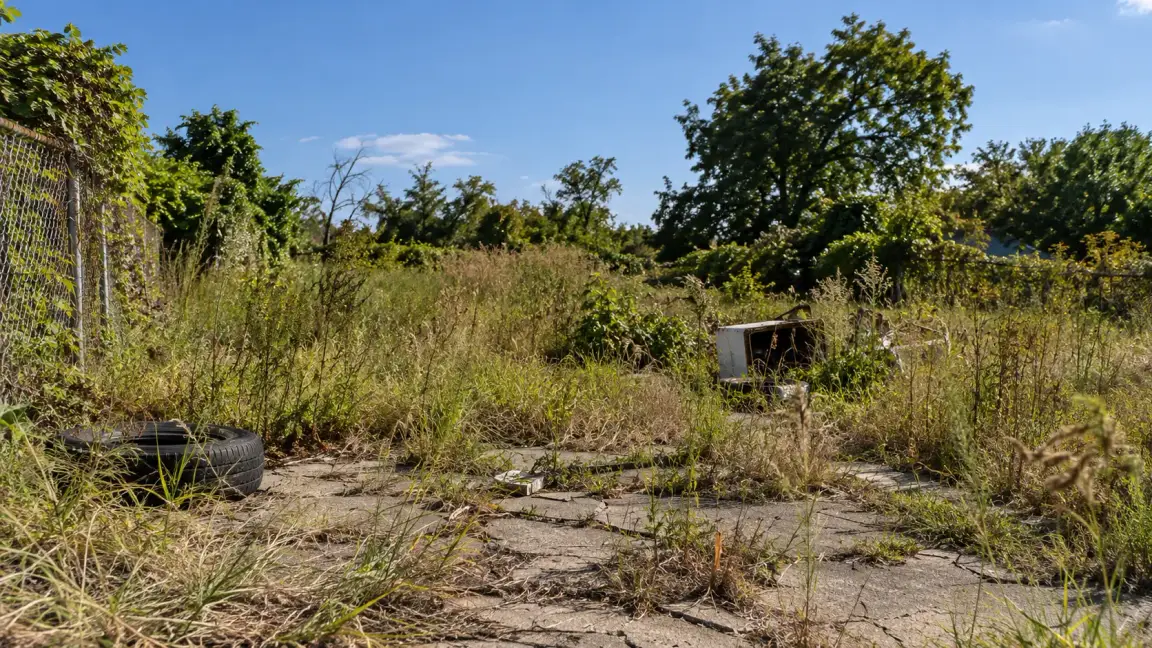

Vacant land is easy to hold onto.
There are no tenants calling about repairs. No kitchen to remodel. No roof to replace. And if the property isn’t causing an immediate problem, selling can become something you keep putting off.
But unused land isn’t necessarily free to own.
Property taxes continue. Maintenance can add up. Your plans can change. And a parcel that made sense to keep five or ten years ago may no longer serve a purpose today.
So, should you sell your vacant land in Houston?
There isn’t one answer for every landowner.
Selling may be worth considering when you no longer have a clear use for the property, ongoing ownership costs are outweighing the benefits of keeping it, your original plans have changed, or you’d rather put the property’s value toward something else.
Quick answer: It may be time to sell your vacant land in Houston if you aren’t using it, don’t plan to develop it, are tired of paying taxes or maintenance costs, inherited property you don’t want, live far from the land, have received buyer interest, or could put the money to better use elsewhere. Before deciding, compare the cost and potential upside of keeping the property with the net proceeds you could receive from selling it.
Here are 10 signs that it may be worth exploring your selling options.
1. You Don’t Have a Real Plan for the Property Anymore
Start with the simplest question:
Why do I still own this land?
There may be a good answer.
Maybe you’re planning to build a home. Perhaps you’re holding the property for your children. Maybe it’s part of a long-term investment strategy.
In those situations, keeping the property may still align with your goals.
But sometimes the answer is less clear:
“I bought it years ago.”
“I thought I might build someday.”
“I inherited it.”
“I’ve just never gotten around to selling.”
If you haven’t used the land and don’t have a realistic plan to use it, that’s worth examining.
Try giving yourself a specific time horizon.
What am I realistically going to do with this property in the next three to five years?
If you have a clear answer, holding may still make sense.
If you don’t, selling deserves consideration.
2. You’re Paying Property Taxes for Land You Don’t Use
Vacant doesn’t mean cost-free.
Property taxes can turn an unused parcel into a recurring expense, particularly when you hold it for years without receiving income or another benefit from it.
If your property is in Harris County, you can research property information through the Harris Central Appraisal District.
Instead of looking at one year’s tax bill, calculate the cumulative cost.
For example:
Annual property taxes × expected additional years of ownership = estimated future tax burden
If you’re paying $2,500 per year and expect to hold the property another five years, that’s $12,500 before considering maintenance or other ownership expenses.
That doesn’t automatically mean you should sell. The property could appreciate enough to justify those costs.
But you should know what you’re spending to maintain the investment.
A useful question is:
“If I didn’t already own this property, would I buy it today knowing what it costs me each year?”
Your answer can tell you a lot.
3. Maintenance Has Become More Trouble Than the Land Is Worth to You
Vacant land can still require attention.
Depending on the property, ownership may involve:
- Mowing
- Brush or vegetation management
- Trash removal
- Illegal dumping
- Fence maintenance
- HOA obligations
- Insurance
- Code-related issues
- Security
- Periodic property visits
- Other upkeep
None of those costs alone may be significant.
Together—and over many years—they can change the economics of holding the property.
This is especially relevant when you don’t use the land and don’t expect it to generate income.
Calculate your approximate annual carrying cost:
Property taxes + maintenance + HOA/association costs + insurance + financing + other recurring expenses = estimated annual holding cost
Then compare that figure with the reason you’re keeping the property.
If you’re spending money every year without a clear long-term objective, it may be time to evaluate a sale.
4. The Reason You Originally Bought the Land No Longer Exists
Land can be a long-term asset.
Life isn’t always as predictable.
Maybe you purchased the property intending to:
- Build a home
- Develop it
- Start a business
- Hold it for your children
- Move to the Houston area
- Build a rental property
- Use it recreationally
- Combine it with another parcel
- Hold it as an investment
Then circumstances changed.
Perhaps you moved.
Your financial priorities shifted.
Your family chose a different direction.
The development project no longer makes sense.
Or you simply don’t want to deal with the property anymore.
Don’t let the original reason for buying the land become the only reason you continue owning it.
Ask instead:
Does keeping this property still support my goals today?
If the answer is no, selling may free you to put that equity toward something that does.
5. You Inherited Land You Don’t Want
Inherited land presents a different decision.
You didn’t necessarily choose the property. You may not live near it, know much about it, or have any practical use for it.
And when several heirs are involved, even basic decisions about the property can become more complicated.
Before deciding whether to keep or sell inherited land, determine:
- Who legally owns the property
- Whether probate is involved
- Whether multiple heirs have an interest
- Whether property taxes are current
- Whether liens exist
- Whether the title is clear
- What the property is reasonably worth
- What it costs to maintain
- Whether any heir actually wants to keep it
Keeping inherited property can make sense when the family has a clear reason for doing so.
But keeping land indefinitely simply because nobody has made a decision can create additional years of taxes and responsibility.
If you’re still early in the decision process, start with our broader guide covering the questions to ask before selling vacant land in Houston.
6. You Live Far Away From the Property
Owning land from another city or state isn’t necessarily a problem.
But distance can make a property easier to ignore and harder to manage.
An out-of-area owner may have to coordinate:
- Maintenance
- Tax notices
- HOA correspondence
- Cleanup
- Property inspections
- Local contractors
- Illegal dumping issues
- Neighbor concerns
- Offers from buyers
If the land has no strategic purpose for you, managing it remotely may eventually feel like more responsibility than it’s worth.
Ask yourself:
If this property weren’t already in my name, would I intentionally purchase Houston land today and manage it from where I currently live?
If the answer is no, selling may be worth exploring.
A direct sale can also be useful for owners who don’t want to travel back and forth simply to market vacant property.
7. You’re Unsure Whether the Land Still Fits the Houston Market Around It
Sometimes the property doesn’t change—but everything around it does.
New residential development, road projects, commercial activity, infrastructure, drainage improvements, or other changes can affect how a parcel fits into the surrounding area.
That doesn’t automatically mean the land is worth more or that you should sell.
It means the property deserves a fresh evaluation.
Houston also has a development environment that can be misunderstood.
The City does not have conventional citywide zoning, but that does not mean land can be developed without restrictions. The City of Houston Planning & Development Department explains that Houston regulates development through ordinances covering subdivision, platting, building lines, access, parking, setbacks, and other requirements.
Private deed restrictions and property-specific conditions can matter as well.
If you haven’t looked closely at the property in years, don’t base today’s decision on what you knew about it when you acquired it.
Find out what’s changed.
8. Flood or Site Conditions Have Changed How You Think About the Property
Houston-area landowners also need to understand flood and drainage considerations.
A property’s flood characteristics can influence potential uses, development economics, insurance considerations, and buyer interest.
If you haven’t researched the property recently, you can review official flood-hazard information through the FEMA Flood Map Service Center.
A flood designation by itself doesn’t tell you whether to sell.
Nor does being outside a particular mapped flood hazard area guarantee that flooding can’t occur.
Instead, consider how site conditions affect your reason for owning the property.
For example, if you originally intended to develop the land but site work or other constraints have made that plan impractical for you, the property may no longer fit your original objective.
Before making assumptions, investigate the actual parcel.
9. You’ve Received Offers and Want to Know Whether Selling Makes Sense
Unsolicited land offers are common enough that owners sometimes start thinking about selling only after a letter, call, email, or text arrives.
Receiving an offer doesn’t mean you should sell.
It does give you a reason to evaluate the property.
Instead of immediately asking:
“Is this a good offer?”
Start one step earlier:
“Would selling this land improve my situation?”
If the answer is no, the offer may not matter.
If the answer is yes, then investigate the property’s value and compare your selling options.
If you already have a cash offer, don’t evaluate the purchase price alone. Look at:
- Expected net proceeds
- Seller-paid costs
- Due-diligence period
- Contingencies
- Earnest money
- Buyer credibility
- Closing timeline
- Cancellation rights
You can use our guide to evaluating a cash offer for Houston land once you reach that stage.
10. You Have a Better Use for the Money
This may be the most important sign of all.
Land has an opportunity cost.
Money tied up in a parcel can’t simultaneously be used somewhere else.
Selling could potentially allow you to put that capital toward:
- Paying down debt
- Buying another property
- Investing
- Funding a business
- Education
- Retirement
- Home improvements
- Family expenses
- Another financial goal
That doesn’t mean selling is automatically the right financial decision.
The land could appreciate. It might have future development potential. Holding it could be exactly what your long-term strategy requires.
The useful comparison is:
What do I expect to gain from keeping this property versus what could I do with the net proceeds if I sold it?
That’s a much stronger decision framework than simply asking whether land prices might rise.
Should I Keep or Sell My Vacant Land in Houston?
If you’re still undecided, compare the two paths directly.
| Your Situation | Holding May Make Sense | Selling May Be Worth Exploring |
|---|---|---|
| Future use | You have a realistic plan | No clear plan |
| Development | You intend and are able to develop | Development no longer interests you |
| Carrying costs | Costs are manageable relative to your goals | Taxes/maintenance feel burdensome |
| Location | You actively manage or use the property | You’re distant and disengaged |
| Investment thesis | You have a defined reason to hold | You’re holding by default |
| Inherited land | You or another heir wants it | Nobody has a practical use for it |
| Capital | You prefer keeping value in the land | You have a better use for the proceeds |
| Time | You’re comfortable holding long term | You want to simplify now |
The decision doesn’t have to be based on one signal.
Several signals together usually provide more useful information.
What Does It Cost to Keep Vacant Land?
One way to make the decision more objective is to calculate the cost of waiting.
Start with:
Annual taxes + maintenance + insurance + HOA/association expenses + financing + other recurring costs = annual holding cost
Then:
Annual holding cost × expected additional years owned = estimated future holding cost
Suppose your land costs approximately $3,000 per year to own.
Holding another five years could mean approximately $15,000 in additional carrying expenses, before accounting for changes in taxes, unexpected costs, or the time value of money.
Now compare that with the potential benefit of holding.
Could the property’s future value reasonably compensate you for those costs and the uncertainty involved?
Maybe.
Maybe not.
The purpose of the calculation isn’t to predict the future perfectly. It’s to make sure “I’ll just keep it” isn’t being treated as a cost-free decision.
Should I Improve My Houston Land Before Selling?
Not necessarily.
The answer depends on what you’re selling, the likely buyer, and your chosen sales strategy.
Potential improvements might include:
- Clearing vegetation
- Removing debris
- Obtaining a survey
- Resolving title issues
- Confirming access
- Researching utilities
- Addressing property boundaries
- Gathering development information
Some improvements can make a parcel easier to market.
Others may cost more than they add to your eventual proceeds.
Before spending significant money, ask:
Will this improvement increase my net proceeds enough to justify the expense and time?
If you’re considering a direct sale, improvements may not be necessary at all.
1800LOTS buys vacant and undeveloped land directly and evaluates properties based on their current circumstances. You can review our FAQ about selling land before spending money preparing a parcel for sale.
What Are My Options for Selling Vacant Land in Houston?
Deciding to sell is only the first decision.
The second is how.
Houston landowners generally have three broad options.
List With a Real Estate Agent or Land Broker
Listing can provide broader market exposure.
This route may make sense when maximizing exposure to potential retail or development buyers is your priority and you’re comfortable with the associated timeline and selling costs.
Ask prospective agents about their experience specifically with land—not just residential homes.
Sell the Land Yourself
A for-sale-by-owner approach gives you control over pricing, marketing, inquiries, negotiation, and the transaction.
It may also require substantially more involvement.
You’ll need to determine how you’ll find buyers, evaluate offers, handle contracts, coordinate title work, and move the transaction toward closing.
Sell Directly to a Cash Land Buyer
A direct buyer purchases the property without requiring you to market it broadly first.
The trade-off is straightforward: direct offers may be below what you hope to achieve through broader market exposure, while potentially providing a simpler transaction with fewer selling steps.
1800LOTS provides a detailed comparison of land-selling options so you can evaluate a direct sale against listing before deciding.
How Do I Decide Which Selling Method Is Right for Me?
Start with your priority.
| If Your Priority Is… | Consider Exploring… |
|---|---|
| Maximum market exposure | Land broker / traditional listing |
| More control over marketing | For sale by owner |
| Minimizing seller involvement | Direct sale |
| Selling without preparing the property | Direct/as-is sale |
| Testing a direct-sale price | Requesting a cash offer |
| Comparing all options | Get an offer + speak with a land broker |
You don’t necessarily have to choose immediately.
For example, you can research what a traditional sale might involve and request a direct offer.
Then compare the two paths.
That’s often more useful than trying to make the entire decision based on an online estimate.
What Should I Know Before Selling Vacant Land in Houston?
Before you sell, understand the property itself.
At minimum, try to identify:
- Ownership
- Parcel or account number
- Approximate acreage
- Property taxes
- Known liens
- Road access
- Utilities
- Existing survey
- Easements
- Deed restrictions
- Flood considerations
- HOA or association obligations
- Title issues
- Potential uses
You don’t need to become a land developer to sell a vacant parcel.
But better information can help you evaluate your options and identify problems before they delay a transaction.
For a deeper due-diligence checklist, read 10 Questions to Ask Before Selling Vacant Land in Houston.
Frequently Asked Questions About Whether to Sell Houston Land
Should I sell my vacant land in Houston?
Consider selling if you no longer use the property, don’t have a realistic future plan for it, carrying costs are becoming burdensome, or you have a better use for the capital. Holding may make more sense if you have a clear long-term purpose for the property and the costs and risks fit your strategy.
Is vacant land expensive to keep?
It can be. Depending on the parcel, ownership costs may include property taxes, maintenance, insurance, association expenses, financing, cleanup, and other costs. Calculate your annual carrying expenses before deciding that holding is the easier option.
Should I sell land that I inherited?
It depends on whether you or another heir wants the property, what it costs to keep, its potential value, and whether probate or title issues exist. Establish ownership and understand the property’s financial situation before making the decision.
Should I sell my Houston land if I’m paying property taxes but not using it?
That can be a reason to evaluate a sale. Compare your expected future ownership costs and reason for holding with the potential net proceeds from selling. Paying taxes alone doesn’t mean you should sell, but indefinite expenses without a clear objective deserve review.
Is now a good time to sell vacant land in Houston?
That depends on the specific parcel, buyer demand, your financial goals, and your reason for owning it. Avoid making the decision solely from broad Houston market headlines. Vacant land can vary substantially by location, access, utilities, restrictions, flood considerations, and potential use.
Should I improve vacant land before selling it?
Only when the likely increase in net proceeds justifies the expense and effort. Some buyers may prefer additional information or improvements, while direct land buyers may purchase property without extensive preparation.
Can I sell Houston land without a real estate agent?
Yes. Owners can potentially sell directly to a buyer or market the property themselves. An experienced land broker is another option when broader market exposure and professional representation are priorities.
How do I know what my land is worth before selling?
Research comparable land sales and consider the property’s location, acreage, access, utilities, restrictions, flood characteristics, development potential, and demand. Tax appraisal information can provide context but shouldn’t automatically be treated as the price a buyer will pay.
What if I’m not sure whether I want to sell?
You can gather information without immediately committing to a sale. Research the property, estimate your holding costs, explore traditional selling options, and request a no-obligation direct offer. Comparing real options can make the decision clearer.
Not Sure Whether to Sell? Start by Comparing Your Options
You don’t need to sell vacant land simply because you’re not using it.
And you don’t need to keep it simply because you’ve owned it for years.
The better question is:
What purpose does this property serve for me now?
If you have a clear plan for the land and are comfortable with the costs of owning it, keeping it may still make sense.
If you’re paying taxes and maintenance on a property you don’t use, have no realistic plans for it, or would rather put the capital elsewhere, selling deserves a closer look.
Start by understanding the property.
Calculate what it costs you to keep.
Consider what you could do with the proceeds.
Then compare your selling options.
If a direct sale is one of the options you’d like to evaluate, learn how 1800LOTS buys Houston land or request a no-obligation cash offer.
1800LOTS buys vacant and undeveloped land directly in Houston and surrounding areas. The company currently states that its direct-sale process has no real estate commissions or hidden fees and that receiving an offer does not obligate the owner to sell.
An offer doesn’t make the decision for you.
It gives you one more real number to use when deciding whether keeping or selling your Houston land makes more sense.