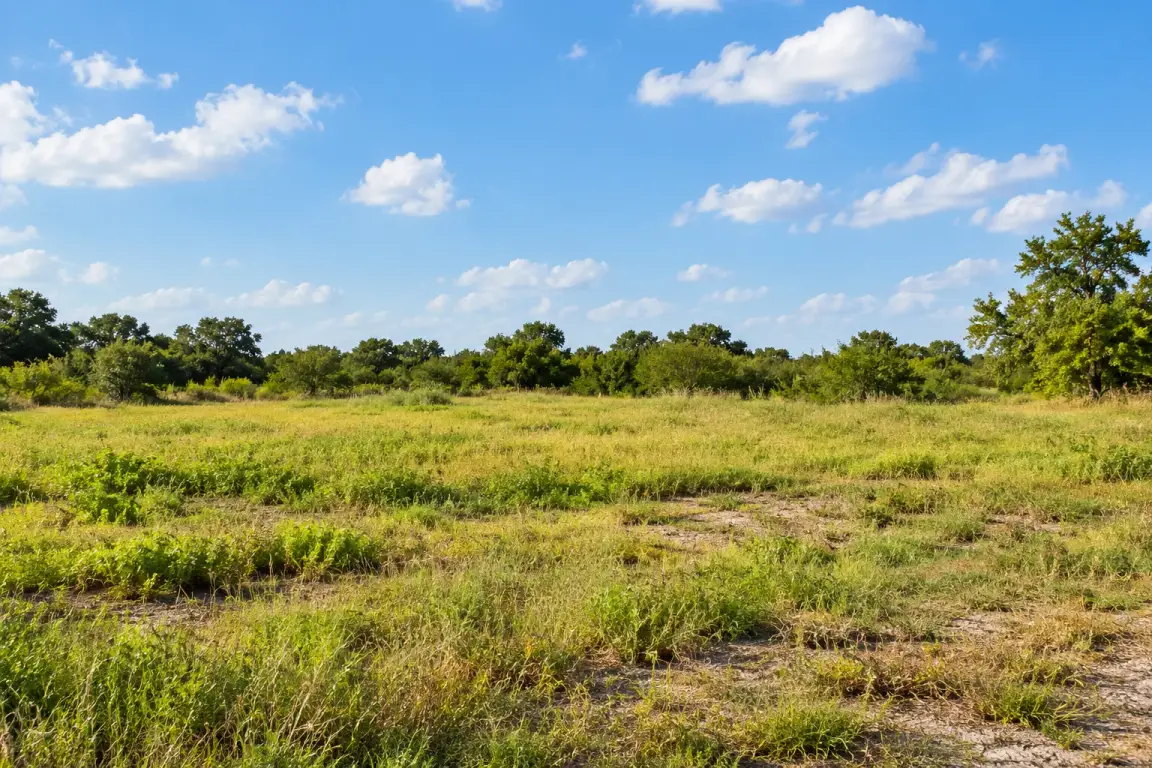

Selling vacant land in Houston is a major financial decision, and the highest offer is not necessarily the best deal.
Before accepting an offer, a landowner should understand the property’s realistic value, taxes, title condition, flood and development considerations, selling costs, buyer credibility, contract terms, and expected net proceeds.
Houston-area properties can vary significantly from one parcel to another. Two lots that appear similar on a map may have different access, flood conditions, utilities, restrictions, title histories, or development potential.
Asking the right questions before you sell can help you compare your options based on facts rather than assumptions.
Here are 10 questions to ask before selling vacant land in Houston, Texas.
What Should I Ask Before Selling My Land in Houston?
Before selling land in Houston, ask what the property is realistically worth, what you know about its condition and restrictions, whether taxes or title issues exist, whether improvements are necessary, which selling method fits your priorities, what the transaction will cost, whether the buyer can close, what the contract requires, and how much you will actually receive at closing.
Let’s examine each question.
1. What Is My Vacant Land Realistically Worth?
Start with value.
But don’t make the mistake of assuming vacant land can be valued exactly like a house.
Land value can be influenced by:
- Location
- Acreage
- Parcel dimensions
- Road frontage
- Legal and physical access
- Utilities
- Flood characteristics
- Surrounding development
- Restrictions
- Potential uses
- Recent comparable land sales
- Current buyer demand
Two nearby parcels of approximately the same size may not have the same value.
Where can I research my Houston property?
If the property is in Harris County, start with the Harris Central Appraisal District property search.
HCAD allows property owners to search real-property records by account, address, or owner name.
An appraisal-district value can be useful information, but don’t treat it as the only measure of what a buyer will pay.
A stronger valuation process considers recent comparable land sales and the characteristics that make your parcel more or less attractive to buyers.
Ask yourself:
What evidence supports the price I expect to receive?
If the answer is simply, “That’s what I think it’s worth,” do more research before making a decision.
If you’re considering a direct sale, you can also request an offer from 1800LOTS and compare that option with what you might expect from a traditional sale.
2. What Do I Actually Know About My Property?
Before selling, make sure you can identify the property accurately.
This sounds obvious, but it can become complicated when land was purchased decades ago, inherited, transferred among family members, or rarely visited.
Try to gather:
- Property address, if one exists
- Parcel or appraisal account number
- Legal description
- Approximate acreage
- Existing deed
- Existing survey
- Recorded plat information
- Known easements
- Tax information
- Utility information
- Known restrictions
- Ownership information
You don’t necessarily need every document before speaking with a potential buyer.
However, accurate information makes it easier for everyone involved to evaluate the correct parcel.
If you’re unsure which documents you need, see our guide to 9 Documents You May Need When Selling Vacant Land in Houston, TX.
What if I don’t have a survey?
Don’t automatically order one.
A survey can be useful, but whether a new survey is needed depends on the property and transaction.
1800LOTS states on its Houston land-selling page that its evaluation process can begin with basic property information such as the property address or assessor parcel number.
Start with what you have, and determine what additional documentation is actually necessary before spending money obtaining it.
3. Could Flood Risk or Development Restrictions Affect the Land?
This question deserves special attention in Houston.
What should I know about flood risk?
Flood conditions can affect how buyers evaluate a parcel and what they may be able or willing to do with it.
A buyer considering construction may investigate floodplain information, drainage, site preparation, insurance considerations, and other property-specific conditions.
Do not assume that two parcels in the same neighborhood have identical characteristics.
Where appropriate, sellers and buyers can consult official local flood resources when researching a property.
What about Houston zoning?
Houston is unusual in this area.
The City of Houston Planning & Development Department states that Houston does not have zoning, but the city still regulates development through ordinances addressing matters such as subdivision, platting, building lines, streets, parking, setbacks, and access.
So:
“Houston has no zoning” does not mean “I can do anything I want with this property.”
Depending on the parcel, buyers may also need to consider:
- Deed restrictions
- Platting
- Subdivision requirements
- Access
- Building lines
- Floodplain requirements
- Utilities
- Permitting
- Other applicable regulations
Why does this matter when selling?
Because development potential can influence buyer demand.
If you market a parcel as suitable for a specific use without verifying that claim, a buyer may discover a problem during due diligence and renegotiate or walk away.
It is better to describe what you know accurately and let appropriate professionals verify what you don’t know.
4. Are There Taxes, Liens, or Title Problems?
Before selling, ask:
Is there anything in the property’s ownership or financial history that could complicate closing?
Possible issues include:
- Delinquent property taxes
- Recorded liens
- Old liens that were never properly released
- Multiple owners
- Inherited ownership
- A deceased owner in the title history
- Conflicting ownership claims
- Incorrect names in prior documents
- Other recorded interests
Don’t assume a complication automatically makes the land unsellable.
But don’t hide it either.
What if I inherited the land?
Inherited land can require additional review to establish who has authority to sell.
The required documents depend on the property’s title history and what happened after the previous owner’s death.
If you know there is an inheritance or title complication, mention it early so it can be investigated before a planned closing date.
1800LOTS states on its About page that it encounters vacant properties involving title issues, unpaid taxes, and inherited ownership situations.
For questions about legal ownership, probate, liens, or title rights, consult an appropriate Texas real-estate attorney or title professional.
5. Do I Need to Improve the Land Before Selling?
Not necessarily.
Some owners spend money clearing brush, removing debris, ordering surveys, adding access, installing utilities, or completing other work because they assume improvements are required before anyone will buy the property.
The better question is:
Will this improvement increase my likely net proceeds enough to justify the cost, time, and risk?
Suppose clearing a parcel costs several thousand dollars.
If that work does not increase what a buyer is willing to pay by at least enough to compensate you for the expense and effort, it may not make financial sense.
When can improvements make sense?
They may be worth considering if they:
- Resolve a significant marketability problem
- Give buyers important information
- Make boundaries or access easier to understand
- Increase the property’s usability
- Produce a likely return greater than their cost
But don’t improve land simply because it “looks better.”
Can you sell Houston land as-is?
Depending on the buyer, yes.
Direct land buyers may evaluate property in its current condition rather than requiring the owner to prepare it for a retail listing.
1800LOTS states that it buys raw and undeveloped property and that a survey or zoning information is not always required before a seller starts the process. You can read more about the company’s land-buying process and property requirements.
6. Which Way of Selling Fits My Priorities?
There is no universally best method for selling every vacant parcel.
Before choosing one, decide what matters most to you.
Is your priority:
- Maximum market exposure?
- Highest potential selling price?
- Speed?
- Convenience?
- Fewer contingencies?
- Selling as-is?
- Avoiding agent commissions?
- Reducing your involvement?
- Closing on a particular schedule?
Your answer can point you toward a different selling method.
Option 1: List with a real-estate agent
An agent experienced in land can market the property to a broader audience and handle much of the listing and negotiation process.
That can be useful when market exposure and pursuing a retail buyer are your priorities.
Ask about commissions, marketing strategy, experience selling land, expected time on market, and other seller costs before signing a listing agreement.
Option 2: Sell the land yourself
A for-sale-by-owner approach gives you more direct control.
However, you will generally take greater responsibility for:
- Pricing
- Advertising
- Buyer inquiries
- Negotiations
- Property information
- Contract coordination
- Transaction management
This approach may work for owners who have the time and knowledge to manage the process.
Option 3: Sell directly to a land buyer
A direct sale can appeal to owners who prioritize convenience, speed, an as-is transaction, or fewer moving parts.
The tradeoff is that a direct investor’s offer may be below what you hope to achieve through full retail-market exposure.
That’s why you should compare your options instead of assuming one method is automatically better.
1800LOTS provides a comparison on its Options to Sell Land page.
7. What Will the Sale Actually Cost Me?
Purchase price is only one part of the financial equation.
Ask what you may have to pay before, during, and at closing.
Depending on your selling method and transaction, potential expenses can include:
- Agent commissions
- Closing costs
- Title-related costs
- Survey costs
- Legal expenses
- Property cleanup
- Marketing expenses
- Outstanding taxes
- Lien payoffs
- Seller concessions
- Continuing property taxes and maintenance while waiting to sell
Not every seller will incur every expense.
The important thing is to calculate the expected outcome of your transaction.
Compare net proceeds, not just sale prices
Imagine one option has a higher purchase price but also involves more selling expenses, a longer holding period, and more uncertainty.
Another offer may be lower but have fewer seller-paid expenses.
Which is better?
You can’t answer from the purchase price alone.
Compare:
Purchase price − seller expenses − outstanding obligations = estimated net proceeds
Time and certainty may matter too, even though they don’t fit neatly into that equation.
1800LOTS states in its FAQ about selling vacant land that its direct offers do not involve seller commissions or closing costs. When comparing that option with another offer, compare the actual written terms rather than relying on general assumptions.
8. Is the Buyer Credible and Able to Close?
A high offer isn’t worth much if the buyer cannot complete the transaction.
Before signing, understand who you’re dealing with.
Questions worth asking include:
- Are you the actual buyer?
- Are you buying with cash or financing?
- Do you have experience buying vacant land?
- How long is your due-diligence period?
- Are there financing contingencies?
- Can you provide proof of funds when appropriate?
- Who chooses or coordinates with the title company?
- Who pays closing costs?
- When do you expect to close?
- Under what circumstances can you cancel?
- Are you planning to assign the contract to someone else?
Not every legitimate buyer will structure a transaction in the same way.
The goal is transparency.
Watch for pressure
Be cautious if a buyer tries to rush you into signing before you understand the agreement.
A professional buyer should be willing to explain the transaction and give you an opportunity to review the terms.
If you don’t understand something, ask.
If the answer still isn’t clear, consider obtaining independent legal advice before signing.
9. What Does the Purchase Agreement Actually Say?
A verbal promise is not a substitute for reading the written agreement.
The purchase contract can determine:
- Purchase price
- Property being sold
- Earnest money
- Closing date
- Title requirements
- Survey obligations
- Due-diligence period
- Buyer contingencies
- Seller obligations
- Closing expenses
- Termination rights
- Special provisions
- Other transaction terms
Read the complete agreement.
Is there a Texas contract for unimproved property?
The Texas Real Estate Commission’s Unimproved Property Contract is one form used in appropriate Texas transactions involving unimproved property. As of July 1, 2026, TREC lists Form 9-18 as the current version.
That does not mean this form is automatically appropriate for every vacant-land transaction.
Contract selection and legal provisions depend on the circumstances.
Questions to ask about the agreement
Before signing, ask:
When does the buyer become obligated to close?
What contingencies remain?
How long can the buyer conduct due diligence?
Can the buyer terminate?
Who pays which costs?
What am I required to do before closing?
Is the contract assignable?
What happens if title problems are discovered?
Does anything in the contract contradict what I was told verbally?
For individualized advice about your legal rights or obligations, consult a qualified Texas real-estate attorney.
10. What Will I Actually Receive at Closing?
This final question brings everything together.
Don’t ask only:
“What is the offer?”
Ask:
“Based on these terms, what do I expect to receive when the transaction closes?”
Review:
- Purchase price
- Seller-paid closing expenses
- Agent commissions, if any
- Taxes
- Liens
- Prorations
- Credits
- Other deductions
- Any amount you must spend before closing
Then consider the nonfinancial terms:
- Closing timeline
- Contingencies
- Certainty
- Convenience
- Required work
- Buyer credibility
The highest offer isn’t automatically the best offer
Suppose Buyer A offers more money but needs financing, requires a long due-diligence period, and asks you to pay certain costs.
Buyer B offers less but pays cash, covers agreed transaction costs, and can close sooner.
Buyer A might still be better.
Buyer B might be better.
The point is that you cannot know until you compare the complete terms.
If you’re considering a direct sale, you can review how the 1800LOTS process works before requesting an offer.
12 Questions to Ask a Houston Land Buyer Before Accepting an Offer
When speaking with a prospective land buyer, ask:
- Are you purchasing the property directly?
- How did you determine your offer?
- Are you paying cash or using financing?
- Can you provide evidence that you can complete the purchase when appropriate?
- How long is your due-diligence period?
- What contingencies are included?
- Who pays the closing costs?
- Are there commissions or other seller fees?
- When can the transaction close?
- What happens if a title problem is discovered?
- Can you assign the purchase agreement?
- What amount should I expect to receive at closing, subject to taxes, liens, prorations, or other property-specific obligations?
Don’t be embarrassed to ask detailed questions.
Selling real estate is a significant transaction. A buyer should expect you to understand what you’re agreeing to.
Houston Land Sale Decision Checklist
Before you sell vacant land in Houston, make sure you can answer these questions:
| Question | What You Want to Know |
| What is my land worth? | A reasonable range based on relevant property characteristics and market evidence |
| What exactly do I own? | Parcel, legal description, acreage, and ownership |
| Are there flood or development considerations? | Issues that could affect use or buyer demand |
| Is the title clear? | Known liens, ownership complications, taxes, or other issues |
| Do I need improvements? | Whether spending money is likely to improve your net outcome |
| How should I sell? | Listing, FSBO, or direct sale based on your priorities |
| What will selling cost? | Commissions, closing costs, taxes, liens, and other expenses |
| Can the buyer close? | Credibility, funds/financing, contingencies, and timeline |
| What does the contract require? | Your rights, obligations, deadlines, and costs |
| What will I net? | Estimated amount remaining after applicable deductions |
If you cannot confidently answer several of these questions, that doesn’t mean you’re not ready to explore selling.
It means you know what information to gather before making a final decision.
Frequently Asked Questions
What should I ask before selling my land in Houston?
Ask what the land is realistically worth, whether there are title or tax issues, whether flood or development considerations affect it, what selling method fits your goals, what costs you will pay, whether the buyer can close, what contingencies exist, and how much you expect to receive at closing.
How do I find information about my vacant land in Houston?
For property located in Harris County, the HCAD property search can help you locate appraisal information by account, address, or owner name. Your deed, survey, plat, tax records, and title documents may provide additional information.
Should I get my Houston land appraised before selling?
Not every transaction requires a formal appraisal. However, you should have a reasonable basis for evaluating offers. Relevant comparable land sales, location, acreage, access, utilities, flood characteristics, restrictions, development potential, and buyer demand can all be important.
Do I need to clear vacant land before selling it?
Not necessarily. Whether clearing the property makes financial sense depends on the cost, buyer, property condition, and likely impact on value. Some direct land buyers purchase property as-is, so determine your selling strategy before spending money on improvements.
Should I sell my Houston land with a Realtor or to a cash buyer?
Neither option is universally better. A traditional listing can provide broader market exposure and the opportunity to seek a retail-market price. A direct cash sale may offer greater speed or convenience and fewer seller-paid transaction costs, depending on the buyer and contract. Compare net proceeds and terms.
What should I ask a cash land buyer?
Ask whether the company is buying directly, how it calculated the offer, whether it uses financing, what contingencies apply, who pays closing costs, whether there are seller fees, whether the agreement can be assigned, how title problems are handled, and when the transaction can close.
Can I sell Houston land with back taxes or title problems?
Potentially. Back taxes or title issues can affect a transaction and may need to be addressed before or during closing, but they do not automatically mean you cannot explore a sale. The solution depends on the specific issue.
Is Houston land unrestricted because the city has no zoning?
No. The City of Houston does not have traditional citywide zoning, but development is still governed by ordinances and requirements concerning matters such as subdivision, platting, streets, building lines, setbacks, parking, and access. Deed restrictions and other property-specific requirements may also apply.
Conclusion
Asking the right questions before selling land in Houston can help you make a better-informed decision and avoid focusing on purchase price alone.
Before signing anything, understand your property’s realistic value, physical and legal characteristics, taxes, title condition, potential selling expenses, buyer credibility, contract terms, and estimated net proceeds.
Then identify your priority.
If your main goal is maximum market exposure, a traditional listing may deserve consideration. If you want more control and are prepared to handle the transaction yourself, FSBO may be an option. If you prioritize an as-is sale, simplicity, or a direct transaction, comparing an offer from a cash land buyer may make sense.
1800LOTS buys vacant and undeveloped land directly in Houston and surrounding areas. According to its published process, sellers provide basic property information, the company evaluates the land and makes a no-obligation cash offer, and the owner decides whether to accept.
You can request a cash offer for your Houston-area land and compare the complete terms with your other selling options before deciding.
The goal isn’t simply to get an offer.
It’s to understand the offer well enough to decide whether it meets your goals.
Get Started: Get a Cash Offer Below…
We are direct lot buyers. There are no commissions or fees and no obligation whatsoever. Start below by sharing where your property is and where we can send your offer…