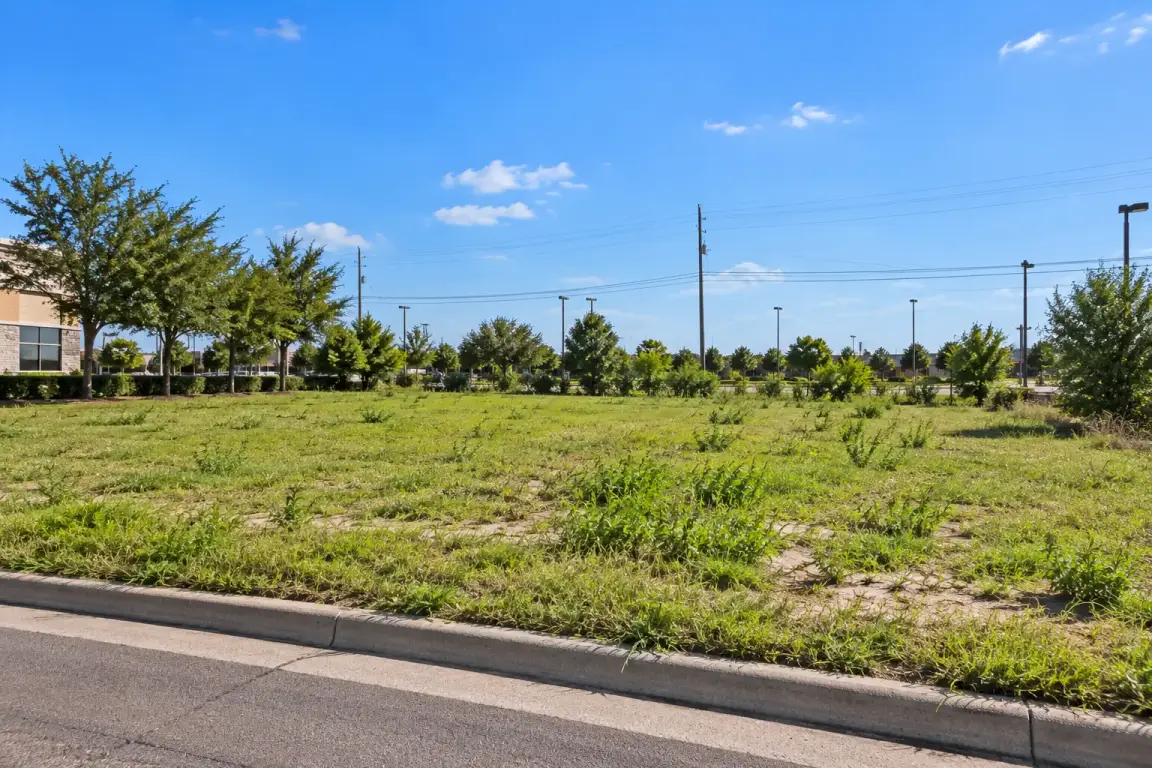

Not every piece of vacant land is easy to sell.
Some Houston lots attract interest almost immediately. Others sit untouched for months, even when the owner believes the price is reasonable.
And sometimes, the difference has very little to do with how the property is advertised.
It has to do with the land itself.
Maybe the parcel has no obvious road access. Maybe utilities aren’t available. Maybe it’s an unusual shape, has drainage problems, or comes with restrictions that limit what a buyer can build.
Those details matter because most buyers aren’t simply purchasing dirt.
They’re purchasing the possibility of doing something with it.
So, what makes vacant land hard to sell in Houston?
The most common obstacles include limited legal access, unavailable utilities, flood and drainage concerns, unusual parcel dimensions, land-use restrictions, physical site conditions, boundary or easement complications, unclear ownership, and the cost of making the property usable.
None of these issues automatically means your land is worthless or impossible to sell.
But they can reduce the number of interested buyers, affect the price, or make the transaction more complicated.
Here’s how to recognize the nine biggest obstacles—and what you can realistically do about them.
1. The Property Doesn’t Have Clear Legal Access
Imagine finding a vacant lot in a Houston neighborhood.
The price looks attractive. The location is convenient. You can even see the property from a nearby road.
Then you discover there’s no clearly documented legal way to reach it.
That’s a problem.
Legal access means having an enforceable right to enter and leave the property. It’s different from being able to physically walk or drive across neighboring land.
For example, a parcel might be surrounded by privately owned property. Or the current owner may have used a neighbor’s driveway for years without a recorded easement establishing that right.
A buyer planning to build a home, develop a tract, or obtain financing may be unwilling to proceed without clarity.
Why buyers hesitate
Uncertain access can raise questions about:
- Whether the property can be reached legally
- Whether a driveway can be constructed
- Whether access depends on another landowner’s permission
- Whether the property can support its intended use
- Whether a lender or title company will accept the arrangement
What you can do
Start by reviewing the deed, recorded easements, plats, and any existing survey.
If the land is in Harris County, the Harris County Clerk’s Real Property Records Search can help you locate recorded documents.
A Texas real estate attorney or title professional can help interpret legal access rights when the documents are unclear.
Don’t assume that a visible dirt road creates a permanent legal right of access.
And don’t advertise the property as having legal road access unless you’ve verified it.
The key takeaway: Access problems don’t always prevent a sale, but buyers need to understand what rights come with the property.
2. Utilities Aren’t Available—or Connecting Them Is Expensive
A vacant parcel can look ready for development until someone asks a simple question:
Where does the water come from?
Then come the follow-ups.
Is there sewer service?
Is electricity available?
Does the property require a septic system?
How far away are the nearest utility lines?
These questions can dramatically change how a buyer evaluates the land.
A property with utilities at the lot line is different from one that may require extensive infrastructure work.
And a utility line running along a nearby street doesn’t necessarily mean a connection is available or affordable.
Why buyers hesitate
Buyers may be concerned about:
- Connection and extension costs
- Easements needed for utility lines
- Water and wastewater capacity
- Septic feasibility
- Electric service installation
- Delays associated with approvals or construction
A buyer may love the location but decide that the infrastructure uncertainty makes the purchase too risky.
What you can do
Contact the relevant utility providers or service districts.
Ask about service availability, connection requirements, capacity, and whether any preliminary cost information can be provided.
Keep the answers in writing when possible.
You don’t necessarily need to install utilities before selling.
In fact, doing so without a clear understanding of buyer needs could be an expensive mistake.
But documented utility information can help buyers evaluate the property with greater confidence.
The key takeaway: Land without utilities can still sell, but uncertainty about utility access and cost can narrow the buyer pool.
3. Flooding and Drainage Concerns Complicate Development
Flood and drainage conditions deserve particular attention in the Houston area.
A parcel may look completely normal during dry weather while still presenting challenges during heavy rain.
Potential concerns include low elevation, standing water, poor drainage, nearby waterways, floodplain requirements, or a history of flooding.
For someone who wants to build, these issues may affect site preparation, engineering, permitting, insurance considerations, and overall feasibility.
Why buyers hesitate
A buyer may wonder:
- Does water collect on the property?
- Is any portion of the parcel within a mapped flood hazard area?
- Will development require additional drainage work?
- Could elevation or fill requirements increase costs?
- Are there restrictions on construction in certain areas?
The answers can affect both the project’s economics and whether the buyer wants to proceed.
What you can do
Gather any known flood and drainage information.
Review available mapping and ask appropriate professionals about site-specific conditions.
For land within Houston city limits, the Houston Permitting Center provides information about floodplain management and development permitting.
Flood maps are useful research tools, but they don’t guarantee that a property will or won’t experience flooding.
If you know the land has standing-water problems or a history of flooding, be transparent.
Buyers may be willing to consider the property.
They simply need to understand what they’re buying.
The key takeaway: Flood-related concerns can reduce demand or increase development costs, but their effect depends on the specific parcel and intended use.
4. The Lot Is Too Small, Narrow, Irregular, or Awkwardly Shaped
Not all acreage is equally usable.
A rectangular lot with good road frontage may be easier to plan around than a long, narrow parcel with limited access.
A triangular lot may leave less usable space than its total square footage suggests.
And a parcel with an unusual shape may create challenges when setbacks, building lines, drainage requirements, or access are considered.
Imagine two vacant lots with the same total area.
One has a practical layout for a home.
The other has a narrow strip connecting two irregular sections.
A buyer may view those properties very differently.
Why buyers hesitate
Unusual parcel dimensions can affect:
- Building placement
- Driveway access
- Parking
- Setback compliance
- Subdivision possibilities
- Drainage design
- Future resale appeal
Even a relatively large property can have limited usable space.
What you can do
Find the most accurate dimensions available.
If you have an existing survey, review it.
If the boundaries are uncertain or the parcel’s layout is important to a potential transaction, a current survey from a qualified professional may be appropriate.
Don’t describe the property as suitable for a specific building or development without confirming the relevant requirements.
Instead, make the dimensions clear and let buyers evaluate realistic uses.
The key takeaway: A parcel’s usable configuration can matter as much as its total acreage.
5. Deed Restrictions or Development Requirements Limit Its Use
Houston is often described as a city without traditional zoning.
That statement can create a misleading impression.
Some owners assume that if their property is in Houston, they can build almost anything they want.
That’s not how land development works.
Properties may still be subject to deed restrictions, subdivision regulations, building lines, platting requirements, floodplain rules, and other applicable requirements.
And land outside Houston city limits may fall under a different jurisdiction with different rules.
Why buyers hesitate
A buyer may be interested in a parcel for a particular purpose, only to discover that the proposed use isn’t feasible or requires additional approvals.
For example, someone hoping to divide a property into multiple lots may need to investigate platting and infrastructure requirements.
A buyer planning commercial use may need to review deed restrictions and applicable development standards.
A residential buyer may need to confirm that the lot can accommodate the proposed structure.
What you can do
Review recorded restrictions and available plat information.
Determine which jurisdiction governs the property.
If you know the parcel has deed restrictions or other significant limitations, disclose the information appropriately and make supporting documents available.
Avoid phrases such as:
- “Build anything you want”
- “No restrictions”
- “Ready for development”
- “Guaranteed subdividable”
unless the statements have been properly verified.
The key takeaway: A property’s location doesn’t automatically determine what can legally or practically be built on it.
6. The Land Has Physical or Environmental Conditions That Concern Buyers
Sometimes the biggest obstacle is visible the moment someone visits the property.
Dense vegetation.
Debris.
Uneven terrain.
Old structures.
Signs of dumping.
Other concerns may be harder to detect.
A parcel could have questionable soil conditions, underground infrastructure, prior uses that warrant investigation, or other issues that affect development.
Why buyers hesitate
A buyer may see the property and start calculating:
- Clearing expenses
- Debris removal
- Demolition costs
- Grading and drainage work
- Soil testing
- Environmental assessment
- Potential remediation
- Time needed before construction can begin
Those potential costs can change what the buyer is willing to offer.
What you can do
Separate cosmetic conditions from substantive problems.
Overgrown grass and brush may be relatively straightforward to address.
Suspected contamination or significant soil instability may require specialized professional evaluation.
If there are indications of environmental concerns, don’t guess about the property’s condition.
And don’t spend thousands of dollars clearing or improving the site without understanding whether the work will increase its value.
A buyer may prefer to handle site preparation using its own contractors.
The key takeaway: Some physical conditions are inexpensive to address. Others can fundamentally change a property’s development economics.
7. Boundary Disputes, Easements, or Encroachments Create Uncertainty
A fence doesn’t always mark the legal property line.
A neighbor’s driveway may cross part of the parcel.
A utility easement may run through the area where a buyer hoped to build.
Or an older survey may not clearly reflect current conditions.
These issues can be easy to overlook until a buyer starts conducting due diligence.
Why buyers hesitate
Buyers want to know exactly what they’re purchasing and whether other parties have rights affecting the property.
They may be concerned about:
- Boundary discrepancies
- Fence encroachments
- Shared driveways
- Utility easements
- Drainage easements
- Access rights
- Unresolved disputes with neighboring owners
An easement doesn’t necessarily make a property undesirable.
But its location and terms can affect how the land may be used.
What you can do
Review available surveys, plats, and recorded documents.
If a boundary or encroachment issue is suspected, consult an appropriately licensed surveyor and, where needed, a Texas real estate attorney.
For older Texas land descriptions, the Texas General Land Office’s archival collections can provide historical land records and mapping resources. Those archives are not a substitute for a current boundary survey or title examination.
Don’t assume a long-standing fence settles an ownership question.
The key takeaway: Buyers may accept an easement or unusual boundary condition, but unresolved uncertainty can make the property harder to sell.
8. Ownership, Inheritance, or Title Problems Make Closing Difficult
Some land is difficult to sell not because buyers dislike the property, but because the seller’s authority to transfer it isn’t straightforward.
This can happen when a parcel has been owned by the same family for generations.
A parent dies.
Several relatives inherit interests.
Someone moves away.
Property taxes accumulate.
Years pass, and no one updates the paperwork.
Eventually, a family member decides to sell.
That’s when questions arise.
Who legally owns the land?
Who has authority to sign?
Are there liens?
Does an estate need additional legal work?
Why buyers hesitate
A buyer may be unwilling or unable to close until the title company and relevant professionals are satisfied that ownership and transfer requirements have been addressed.
Potential complications include:
- Multiple owners who must agree
- Unresolved estate administration
- Missing or inconsistent documents
- Unpaid taxes
- Liens
- Recorded judgments
- Title defects
What you can do
Gather deeds, probate or estate documents, tax information, and any previous title paperwork.
If the land was inherited, determine whether the ownership and transfer authority are clear before making promises about closing.
Some issues may be resolved through routine title work.
Others may require legal assistance.
If you’re dealing with inherited property, read our guide to selling inherited land in Houston.
The key takeaway: A property can attract a willing buyer and still be difficult to sell if the ownership or title isn’t ready for closing.
9. Making the Land Usable Would Cost More Than Buyers Expect
This final issue often brings the others together.
A parcel may have legal access challenges, no utilities, drainage problems, and significant clearing needs.
Each issue might be manageable individually.
But the combined cost can make the property less attractive.
Imagine a buyer looking at two parcels.
Property A costs more upfront but has documented access, available utilities, and a relatively straightforward development path.
Property B costs less but may require additional surveys, utility extensions, site preparation, engineering, and approvals.
The lower purchase price doesn’t necessarily make Property B the better deal.
Buyers often evaluate the total cost of acquiring and using the land.
Why buyers hesitate
They may be uncertain about:
- Total site-preparation expenses
- Time needed for approvals
- Professional and permitting fees
- Infrastructure requirements
- Unexpected construction costs
- Whether the finished project will justify the investment
A buyer may also require a larger financial cushion when important costs remain unknown.
What you can do
Try to identify the largest known expenses before deciding whether to improve the property or sell it in its current condition.
A useful way to think about the decision is:
Potential finished-property value − acquisition costs − development expenses − holding costs − risk allowance = amount available for the land and buyer’s required return
This is a conceptual framework, not a universal land valuation formula.
You don’t need to perform a full developer feasibility study to sell your lot.
But understanding why buyers see additional costs can help you interpret their offers.
The key takeaway: A difficult-to-sell parcel may still have value, but buyers are likely to account for the money and uncertainty involved in making it usable.
Which Land Problems Are Fixable—and Which Ones Are Harder to Change?
Not every obstacle requires the same response.
Some issues are primarily about missing information.
Others may be resolved through professional work.
And some are characteristics of the parcel that a seller can’t easily change.
| Property Issue | Possible Response | Important Limitation |
|---|---|---|
| Unclear access | Review deeds and easements | Legal access may require professional assistance or negotiation |
| Unknown utilities | Contact service providers | Availability and connection costs may remain uncertain |
| Flood or drainage concerns | Review mapping and obtain professional input | Physical and regulatory constraints may persist |
| Unusual lot shape | Document accurate dimensions | Geometry may be difficult or impossible to change |
| Deed restrictions | Obtain and review documents | Some restrictions may limit feasible uses |
| Overgrowth or debris | Evaluate clearing or removal | Improvements may not increase net proceeds |
| Boundary uncertainty | Obtain survey and legal guidance | Disputes may take time to resolve |
| Title or inheritance issues | Begin title and ownership review | Some matters require legal proceedings |
| High development costs | Compare as-is sale with improvements | Costs may outweigh potential gains |
The important question isn’t simply, Can I fix this?
It’s:
Will fixing it improve my selling outcome enough to justify the cost, time, and risk?
Does Difficult-to-Sell Land Mean It’s Worthless?
No.
That’s an important distinction.
A property may be poorly suited to one buyer but useful to another.
Consider a narrow parcel beside an existing commercial property.
A developer hoping to construct a standalone building might see little opportunity.
But the adjoining owner may value the same land for expansion, additional access, buffering, or another lawful use.
Likewise, a wooded tract without utility connections may not appeal to someone who wants to build immediately.
An investor with a longer time horizon may evaluate it differently.
This doesn’t mean every difficult parcel has a ready buyer.
It means marketability depends partly on who is evaluating the property and what they intend to do with it.
Instead of assuming nobody wants the land, consider whether the current buyer audience makes sense.
Should You Fix the Problems Before Selling Your Houston Land?
Sometimes.
But don’t assume improvements are always the best investment.
Suppose you own a vacant lot with heavy vegetation.
You receive an estimate for clearing it.
Before approving the work, ask:
- Is the vegetation the main reason buyers aren’t interested?
- Would clearing make the parcel substantially easier to evaluate?
- Do likely buyers actually want the property cleared?
- What would the work cost?
- Would the expected increase in net sale proceeds exceed that cost?
The same reasoning applies to surveys, utility work, debris removal, and other expenses.
Some documentation may help buyers make decisions without requiring major physical improvements.
Other work may be necessary to resolve a transaction obstacle.
But there are also cases where selling as-is is the more practical choice.
If you aren’t sure, compare the likely financial outcome of both approaches.
Can You Sell Vacant Land As-Is in Houston?
Potentially, yes.
Selling land as-is generally means the buyer agrees to accept the property’s condition under the terms of the contract, subject to any negotiated provisions and applicable obligations.
It doesn’t automatically mean the buyer will accept every problem.
It also doesn’t eliminate applicable disclosure duties, title requirements, or other legal obligations.
A buyer may still investigate access, environmental conditions, surveys, taxes, and ownership.
And an as-is offer may reflect the property’s known limitations.
But for an owner who doesn’t want to fund improvements, an as-is sale may be worth exploring.
The practical comparison is between:
- Selling after making improvements
- Selling in the property’s current condition
- Continuing to hold the land
- Pursuing a different type of buyer
Each option has financial and timing implications.
Who Buys Land That’s Difficult to Sell in Houston?
That depends on the parcel.
Potential buyers may include:
Neighboring property owners. They may see value in land that complements what they already own.
Builders or developers. They may consider parcels that fit a specific project, provided the economics and development requirements work.
Land investors. Some evaluate properties with longer holding periods or unusual characteristics.
Direct land buyers. Some companies purchase vacant land without requiring sellers to market it through a traditional listing process.
No buyer category guarantees an offer.
And different buyers have different acquisition criteria.
If you’re considering a direct sale, it’s worth understanding the options for selling vacant land before deciding.
What If Your Houston Land Is Already Listed but Isn’t Selling?
If you’ve been trying to sell for months, first determine whether the problem is the parcel or the sales strategy.
A property with legal access, utilities, and broad appeal can still sit on the market because it’s overpriced or poorly advertised.
Conversely, excellent marketing won’t erase a significant title or development obstacle.
That’s why these are two different questions:
What makes my land difficult to sell?
This article addresses the property’s underlying characteristics.
Why isn’t my land selling right now?
That question involves price, marketing, buyer targeting, negotiations, and transaction execution.
For the second question, read 10 Reasons Your Vacant Land Isn’t Selling in Houston, TX.
Understanding which problem you’re dealing with can help you avoid spending money on the wrong solution.
How to Decide What to Do Next
If you own hard-to-sell land in Houston, start with three practical steps.
Step 1: Identify the actual obstacle
Write down what you know about the property.
Don’t rely solely on what a previous owner told you.
Review the documents and information you have.
If you’re unsure about access, utilities, boundaries, or title, identify what needs verification.
Step 2: Separate facts from assumptions
For example:
“The lot is landlocked” is a conclusion that should be supported by an appropriate review of access rights.
“There’s no water nearby” may be an assumption until the service provider confirms availability.
“The property can’t be built on” may require professional and jurisdiction-specific analysis.
The more accurately you describe the problem, the easier it becomes to assess your options.
Step 3: Compare selling strategies
You might decide to resolve an issue before listing.
You might market the parcel to a narrower buyer group.
You might approach a neighboring owner.
Or you might request a direct offer and compare it with the cost of continuing to hold or improve the land.
If you’d like to understand the process, visit How 1800LOTS Buys Land or review the frequently asked questions.
Frequently Asked Questions About Hard-to-Sell Land in Houston
What makes vacant land difficult to sell in Houston?
Common issues include uncertain legal access, unavailable utilities, flood and drainage concerns, unusual dimensions, deed restrictions, physical or environmental problems, boundary complications, title defects, and high development costs.
Is land without road access hard to sell?
It can be. Uncertain or inadequate legal access may limit the buyer pool and affect price. The impact depends on the property’s documented access rights and intended use.
Can I sell land in Houston without utilities?
Potentially. Buyers may consider land without existing utility connections, but availability, infrastructure costs, and intended use can influence the offer.
Does being in a floodplain make land unsellable?
No. Floodplain conditions can affect development requirements, buyer demand, and value, but the effect varies by parcel and proposed use.
Can I sell a lot that’s too small to build a house on?
Possibly. A small or unusually shaped lot may appeal to neighboring owners or buyers with other lawful uses in mind. Its marketability depends on its characteristics and applicable restrictions.
Do deed restrictions affect vacant land value?
They can. Restrictions may limit certain uses and therefore influence which buyers are interested and what they’re willing to pay.
Should I clear my land before selling it?
Not necessarily. Clearing may improve visibility or access, but the expense may not increase your net proceeds. Evaluate the likely benefit before committing to the work.
Can I sell inherited land with title problems?
Possibly, but the relevant ownership and title issues generally need to be addressed before a valid transfer can close. A title professional or Texas attorney can help determine what’s required.
Will a cash land buyer purchase property with problems?
Some direct buyers consider properties with complications, but eligibility depends on the buyer and the specific issue. A cash offer isn’t guaranteed.
How do I find out what my difficult-to-sell land is worth?
Start with relevant comparable sales and an accurate understanding of the property’s characteristics. For a more formal opinion, consider a qualified land-focused real estate professional or appraiser. You can also compare actual purchase offers, accounting for their terms and costs.
Hard-to-Sell Doesn’t Have to Mean Impossible to Sell
Owning a difficult parcel can be frustrating.
You may have paid taxes on it for years.
You may have inherited it without ever planning to use it.
You may have tried listing it, only to discover problems you didn’t know existed.
But you don’t need to solve every issue before you can make an informed decision.
Start by understanding what makes the property challenging.
Find out which concerns can be documented, which may be resolved, and which are simply part of the land.
Then decide whether investing more money makes sense—or whether it’s time to explore another selling approach.
If you’re weighing your options, visit our Houston land-selling options guide.
If you’d like to see whether your property fits a direct buyer’s criteria, learn more about selling land to 1800LOTS in Houston.
You can also request a no-obligation offer and compare it with your other choices.
Not every parcel will qualify for purchase.
But knowing what options are available can help you move forward with a clearer picture of what your land is worth—and what it may take to sell.
This article is for general educational purposes and does not constitute legal, financial, surveying, environmental, engineering, or appraisal advice. Property-specific questions should be reviewed with appropriately qualified professionals.