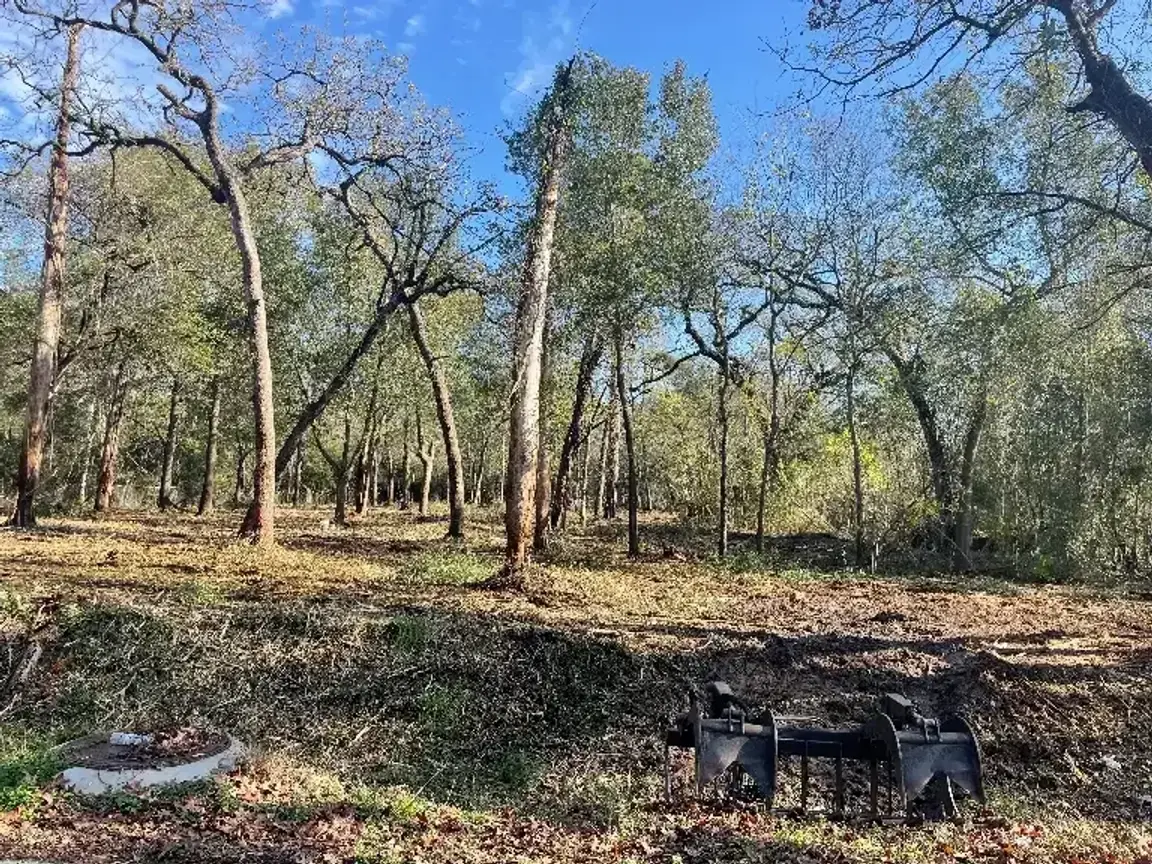

Owning undeveloped property in Houston can be an opportunity, but it can also become an ongoing expense when you have no plans to build, develop, or use the land. Property taxes continue to come due, vegetation may need attention, and an inherited or unwanted parcel can remain on your list of responsibilities year after year.
If your priority is to sell undeveloped property fast, the key is to remove as much uncertainty as possible for the buyer and choose a selling method that matches your goal.
For many Houston landowners, the fastest approach is selling the property as-is to a direct cash land buyer. A direct sale can eliminate many steps associated with a traditional listing, including preparing the land for retail buyers, waiting for showings, negotiating agent commissions, and depending on a buyer’s financing.
However, speed should not be your only consideration. Before accepting an offer, understand what affects the land’s value, identify potential title or property issues, and compare your selling options.
This guide explains the process from start to finish.
What Is the Fastest Way to Sell Undeveloped Property in Houston?
The fastest way to sell undeveloped property in Houston is generally to price the parcel realistically, gather the essential property information, address major ownership or title questions, and market it directly to buyers who already purchase vacant land.
If speed is more important than obtaining the highest possible retail price, selling directly to a cash land buyer can simplify the transaction considerably. Cash buyers do not need to wait for mortgage approval and may be willing to purchase raw land in its existing condition.
1800LOTS is a Houston-based direct land buyer that purchases vacant and undeveloped property. According to its website, owners can submit basic property information, receive an all-cash offer, and, when the title is clear, potentially complete closing within approximately two weeks.
That timeline is not guaranteed for every property. Title defects, multiple owners, probate, liens, access questions, or other complications can extend a transaction.
Why Can Undeveloped Property Take Longer to Sell?
Selling vacant land is different from selling a house.
A house has an obvious existing use. A buyer can walk through it, evaluate its condition, compare nearby homes, and often obtain conventional residential financing.
With raw land, buyers must answer additional questions.
Can it be accessed from a public road? Are utilities available? What can be built there? Are there deed restrictions? Is part of the parcel affected by a floodplain? Does it have wetlands or drainage issues? Is a survey available? Are there liens or delinquent taxes?
Every unanswered question creates uncertainty.
Undeveloped property can therefore have a smaller buyer pool than a typical house. The more difficult a parcel is to evaluate or develop, the more important it becomes to reach buyers who understand land.
If your goal is to sell undeveloped property fast in Houston, reducing uncertainty before marketing the parcel can make a meaningful difference.
7 Steps to Sell Undeveloped Property Fast in Houston
1. Gather Basic Information About Your Property
Start by creating a simple property information package.
At minimum, try to locate:
- Property address, if one exists
- Parcel or account number
- Legal description
- Approximate acreage
- Current tax information
- Existing survey, if available
- Deed or other ownership documents
- Information about road access
- Known utility availability
- HOA or deed restriction information, if applicable
- Any previous environmental, drainage, or engineering reports
You do not necessarily need to purchase new reports or surveys before contacting a buyer. The objective is simply to provide whatever information you already have.
A parcel number is particularly useful for undeveloped property because vacant land may not have a conventional street address.
The fewer basic facts a buyer has to chase down, the easier it is to begin evaluating the parcel.
2. Understand What Your Undeveloped Land Is Worth
One of the biggest mistakes landowners make is pricing raw land as if it were already developed.
For example, a nearby finished residential lot with utilities, drainage, road access, and development approvals may not be a reasonable comparison for an undeveloped parcel lacking those features.
Land value can depend on:
- Location
- Parcel size and dimensions
- Road frontage
- Legal and physical access
- Nearby development
- Utility availability
- Development potential
- Flood risk
- Drainage
- Deed restrictions
- Easements
- Environmental conditions
- Current market demand
Recent comparable land sales can provide useful context, but truly comparable parcels may be difficult to find.
If you are deciding between maximizing price and maximizing speed, recognize the tradeoff. A seller willing to wait for a specific end user may potentially obtain a higher price. A seller who wants a fast, predictable transaction may prefer a discounted cash offer in exchange for convenience and reduced uncertainty.
Neither approach is automatically better. The right choice depends on your priorities.
3. Check Access, Utilities and Property Restrictions
Before marketing raw property, understand the basic development questions a prospective buyer is likely to ask.
Road access
A parcel with direct public road frontage is generally easier for buyers to understand than land without clear access.
If access depends on an easement across another property, locate any documentation you have.
Utilities
Determine whether electricity, public water, sewer, or gas is currently available or nearby.
Do not assume you need to install them before selling.
Undeveloped land without utilities can still be sold. In fact, 1800LOTS’ guide to selling undeveloped land without utilities explains why direct land buyers and investors may evaluate parcels that retail buyers find difficult.
Installing utilities simply to make a property more attractive can require substantial time, approvals, engineering, and expense. Unless you have a clear development strategy and understand the likely return, making those improvements solely to facilitate a quick sale may work against your goal.
Restrictions
Houston is unusual because traditional zoning is not the only issue landowners need to consider. Deed restrictions can limit how certain properties are used.
The City of Houston’s deed restriction information explains that restrictions may affect property use, setbacks, lot sizes, structures, orientation, and certain fences.
Reviewing known restrictions before the sale helps you avoid promising a buyer a use that may not be permitted.
4. Investigate Flood Risk and Drainage
Flood risk deserves special attention when selling undeveloped property in the Houston area.
A property’s flood characteristics can influence its potential development costs, buyer interest, insurance considerations, and value.
Sellers should avoid vague claims such as “this property never floods” unless they have reliable evidence supporting the statement. Give buyers accurate information and allow them to perform independent due diligence.
FEMA’s Flood Map Service Center can be used to research official flood hazard information for a location.
Remember that a flood map is only one piece of a property’s overall risk profile. Drainage, elevation, nearby waterways, previous flooding, and future mapping changes can also matter.
Being transparent about these factors is more likely to support an efficient transaction than trying to minimize a potential issue that a buyer may discover during due diligence.
5. Identify Title Problems Before They Delay Closing
You can find a buyer quickly and still have the sale delayed by title problems.
Common issues affecting undeveloped land include:
- Deceased owners still appearing in the chain of title
- Multiple heirs
- Unreleased liens
- Delinquent property taxes
- Boundary disputes
- Errors in legal descriptions
- Old judgments
- Missing signatures
- Ownership disputes
If you inherited the parcel, determine whether the ownership has been properly transferred.
For a more detailed explanation, see the 1800LOTS guide to selling inherited land in Houston.
Complicated ownership situations may require assistance from a Texas real estate or probate attorney. A title company can also identify title requirements that must be satisfied before an insurable closing.
The sooner you uncover a problem, the sooner you can begin resolving it.
6. Do Not Automatically Spend Money Improving the Land
Owners sometimes assume they need to clear trees, mow acres of vegetation, install fencing, build a driveway, order a new survey, or bring utilities to the property before anyone will buy it.
That may be worthwhile when pursuing a particular retail development strategy, but it is not automatically necessary.
If your primary objective is to sell undeveloped property fast, first determine whether buyers will purchase the land as-is.
Spending $10,000 improving a parcel does not guarantee that its sale price will increase by $10,000—or that it will sell any faster.
Before spending significant money, ask:
- Does this improvement solve a genuine obstacle to the sale?
- Will likely buyers value it?
- Is the probable increase in sale proceeds greater than the cost and delay?
- Would a direct buyer purchase the parcel without it?
Sometimes the fastest improvement is no improvement at all.
7. Choose the Selling Method That Matches Your Goal
There are three common ways to sell undeveloped Houston property: list with an agent, sell it yourself, or sell directly to a land buyer.
Your priorities should determine the method.
Cash Land Buyer vs. Realtor vs. Selling Land Yourself
| Selling Method | Main Advantage | Potential Drawback | Best For |
|---|---|---|---|
| Direct cash land buyer | Speed and simpler process | Offer may be below potential retail price | Owners prioritizing convenience and speed |
| Land-focused real estate agent | Exposure to retail buyers | Commissions and potentially longer marketing period | Owners willing to wait for market pricing |
| For sale by owner | Seller controls the process | Seller handles marketing, inquiries and paperwork | Experienced owners with time available |
Selling Through a Real Estate Agent
A qualified land-focused agent may provide MLS exposure, market the property to developers or individual buyers, and help negotiate a transaction.
This approach may make sense if maximizing potential sale price is more important than selling immediately.
If you choose an agent, look specifically for experience selling vacant land. Selling acreage or infill lots requires different knowledge and marketing than selling houses.
Selling the Land Yourself
A for-sale-by-owner approach eliminates the listing agent but puts the work on you.
You may need to determine pricing, create marketing materials, respond to inquiries, qualify prospective buyers, negotiate terms, coordinate due diligence, and work with the appropriate closing professionals.
FSBO can work well when you already know likely buyers or understand land transactions. It is less attractive when your main objective is speed and simplicity.
Selling Directly to a Cash Land Buyer
A direct land sale removes the traditional listing stage.
Instead of advertising the property and waiting for an end buyer, you contact a company or investor that purchases land directly.
The main tradeoff is straightforward: investors need to buy at a price that makes economic sense for their strategy, so a direct cash offer may be lower than the price an ideal retail buyer might eventually pay.
In exchange, the seller may receive speed, certainty, fewer contingencies, and less work.
That can be especially attractive for inherited property, unwanted acreage, land with no utilities, out-of-state owners, or people tired of paying taxes on a parcel they do not use.
What Makes Undeveloped Houston Property More—or Less—Valuable?
When buyers evaluate undeveloped property, they are essentially evaluating its current utility and future potential.
Location and Nearby Development
Location remains one of the biggest drivers of land value.
A parcel near growing residential communities, employment centers, highways, industrial development, or expanding infrastructure may attract different buyers than remote acreage.
However, proximity alone does not determine value. A parcel can sit near significant development while still facing access, drainage, utility, title, or restriction issues.
Size and Shape
A rectangular parcel with usable dimensions may offer greater flexibility than a narrow, irregularly shaped tract.
The amount of acreage matters, but usable acreage can matter even more.
Access
Buyers need to understand how they can legally and physically reach the property.
Uncertain access can substantially narrow the buyer pool.
Utilities
Existing utilities can make development easier, but their absence does not make land unsellable.
A knowledgeable buyer may simply incorporate the cost and feasibility of future connections into the offer.
Restrictions and Development Potential
Potential uses influence demand.
Even within Houston, landowners should investigate subdivision rules, deed restrictions, permitting requirements, easements, and other limitations rather than assuming that the absence of conventional zoning means anything can be built anywhere.
Flood and Drainage Characteristics
Houston-area buyers frequently investigate flood and drainage conditions during due diligence.
Giving a buyer reliable property information at the beginning can reduce surprises later in the transaction.
Taxes, Liens and Title
Outstanding taxes or liens can affect your net proceeds and closing process.
They do not necessarily mean you cannot sell. They simply need to be identified and handled appropriately.
Common Mistakes That Make Undeveloped Property Harder to Sell
Setting the Price Based on Emotion
Owners sometimes price land according to what they paid years ago, how much money they have spent on taxes, or what they hope to receive.
Buyers evaluate today’s property and today’s market.
Price should be based on realistic market factors rather than the seller’s historical costs.
Comparing Raw Land to Finished Lots
A developed lot and raw acreage are not equivalent products.
Utility connections, roads, drainage, surveys, entitlements, platting, and other improvements can represent significant value.
Use comparable properties carefully.
Hiding Known Problems
Trying to hide access, flooding, title, or restriction problems can cause a buyer to withdraw after spending time on due diligence.
Disclosing known material facts appropriately can help serious buyers evaluate the parcel earlier.
Paying for Improvements Before Talking to Buyers
Do not assume every improvement produces a positive return.
If your goal is speed, talk to potential buyers before committing significant capital to the property.
Accepting an Offer Without Understanding the Terms
The highest headline number is not always the strongest offer.
Review:
- Purchase price
- Earnest money
- Due diligence period
- Financing contingencies
- Closing date
- Who pays closing expenses
- Survey requirements
- Assignment provisions
- Other conditions
A slightly lower offer with a clear path to closing can sometimes be more useful than a higher offer containing significant uncertainty.
How to Sell Undeveloped Property Fast to 1800LOTS
For owners who prioritize a straightforward direct sale, 1800LOTS offers a Houston-focused alternative to listing undeveloped land.
The company states that it buys raw and vacant land directly for cash, including rural acreage, suburban lots, infill parcels, and select commercial land.
The process can be summarized in three steps.
Step 1: Submit Your Property Information
Provide basic information such as the property location or parcel number and your contact details.
You do not need to create a real estate listing or stage undeveloped land for showings.
Step 2: Let the Property Be Evaluated
1800LOTS reviews the parcel and performs due diligence.
Factors such as location, access, size, utility availability, property characteristics, title, and potential use can influence an offer.
Step 3: Review the Cash Offer
You decide whether the offer works for you.
According to 1800LOTS, there is no obligation to accept an offer, and direct sellers are not charged real estate agent commissions. The company also states that it covers closing costs in its direct purchases.
When title is clear, its Houston page states that closing and funding may occur within approximately two weeks.
Owners can learn more about the company and its approach on the About 1800LOTS page.
When Does a Fast Cash Sale Make Sense?
A direct sale is particularly worth considering when the cost or inconvenience of continuing to own the land outweighs the possibility of waiting for a higher retail offer.
Examples include:
- You inherited land you do not want.
- You live outside Houston or outside Texas.
- Property taxes are becoming burdensome.
- The land has no utilities.
- You do not want to clear or improve the parcel.
- You need liquidity for another purpose.
- The property has been sitting unused for years.
- You previously tried to list it without success.
- You want to avoid agent commissions.
- You value a predictable closing more than maximizing the theoretical sale price.
If none of those situations applies and you are willing to wait, comparing a direct cash offer with an agent’s estimated market strategy can help you make an informed decision.
Frequently Asked Questions About Selling Undeveloped Property in Houston
How can I sell undeveloped property fast in Houston?
To sell undeveloped property fast, gather your parcel information, understand major title and property issues, price the land realistically, and target buyers who actively purchase vacant land. A direct cash land buyer can potentially eliminate the listing, showing, and buyer-financing stages associated with a traditional sale.
Can I sell undeveloped Houston land without a Realtor?
Yes. Texas property owners can sell land directly to a buyer without listing it through a real estate agent. You should still use appropriate title, closing, legal, and tax professionals when your transaction requires them.
Can I sell land that does not have utilities?
Yes. Lack of water, sewer, electricity, or gas can affect development potential and value, but it does not prevent a sale. Investors and specialized land buyers may purchase property without existing utilities.
Should I clear my land before selling it?
Not necessarily. Clearing may make a parcel easier to inspect or market, but the expense does not automatically produce an equivalent increase in value. If you intend to sell directly to a buyer that purchases property as-is, clearing may be unnecessary.
Can I sell undeveloped property with back taxes?
Potentially, yes. Outstanding property taxes usually need to be accounted for as part of the transaction. The exact approach depends on the amount owed, liens affecting the property, sale proceeds, and title requirements. Ask the title company or an appropriate professional how the specific taxes will affect closing.
Can inherited undeveloped property be sold?
Yes, provided the person signing the sale documents has legal authority to transfer the property. Probate, heirship, or title issues may need to be resolved first. Complicated estates should be reviewed by an appropriate Texas attorney.
How quickly can undeveloped property close?
There is no universal closing time. A straightforward cash transaction with clear title can close much faster than a financed transaction, while title defects, probate, liens, surveys, or other due diligence can add time. 1800LOTS states that when title is clear, its direct Houston purchases may close and fund within approximately two weeks.
What documents do I need to sell vacant land?
Useful documents include the deed, legal description, parcel or account number, existing survey, tax records, easement documents, restriction information, and any reports relating to the land. You may not need every item before requesting an offer.
What if my Houston land is in a floodplain?
Land affected by a floodplain can still be sold. Flood characteristics may affect development potential, construction requirements, insurance considerations, and buyer valuation. Provide accurate information and allow buyers to complete appropriate due diligence.
Is a cash offer better than listing undeveloped property?
It depends on your objective. A cash offer may be better when you prioritize speed, simplicity, and certainty. A traditional listing may be preferable when you are prepared to wait and want to pursue the possibility of a higher retail sale price.
Conclusion: Sell Undeveloped Property Fast Without Making the Process Complicated
If you want to sell undeveloped property fast in Houston, focus on the factors that actually move a transaction forward: accurate property information, realistic expectations, clear ownership, transparent disclosure, and the right buyer.
You do not automatically need to clear the land, install utilities, hire an agent, or spend months marketing the parcel.
Start by understanding what you own and comparing your available selling methods.
If maximizing price is your priority and you have time to wait, consider speaking with an experienced Houston land agent. If convenience and speed matter more, obtaining a no-obligation cash offer gives you another option to compare.
Contact 1800LOTS to request a cash offer for your Houston land. You can review the offer and decide whether a direct sale makes sense for your situation.
Selling undeveloped property does not have to mean months of listings, showings, negotiations, and uncertainty. With the right preparation and selling strategy, you can turn unused Houston land into cash and move on to whatever comes next.
Get Started: Get a Cash Offer Below…
We are direct lot buyers. There are no commissions or fees and no obligation whatsoever. Start below by sharing where your property is and where we can send your offer…