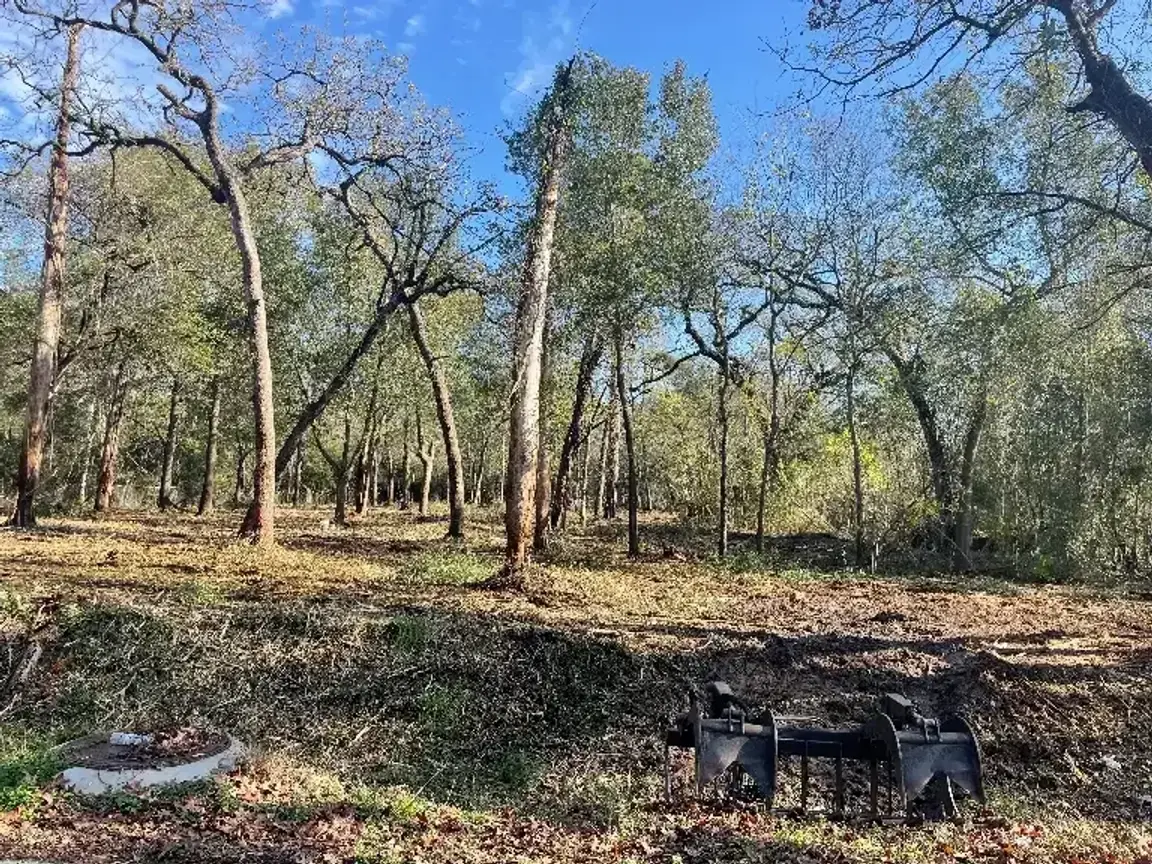

If you need to sell land fast in Houston, finding a buyer is only part of the job. The entire transaction has to work.
A land sale can slow down because the property is overpriced, ownership is unclear, taxes or liens appear during title work, buyers cannot confirm access, important documents are missing, or the person who made the offer cannot actually close.
The good news is that many delays can be reduced with preparation.
Start with a realistic price. Gather the property information you already have. Identify known title or ownership issues early. Make the parcel easy for serious buyers to evaluate. Then compare your selling options based on price, net proceeds, timing, certainty, and convenience.
If speed is your main priority, a direct cash sale is also worth comparing with a traditional listing or selling the property yourself.
Here are 10 practical ways to move a Houston vacant-land sale forward faster.
How Can I Sell My Land Fast in Houston?
To sell land fast in Houston, price the property realistically, organize your property information, identify title issues early, understand access and development considerations, market to qualified land buyers, avoid unnecessary improvements, screen buyers carefully, and prepare for title and closing before problems become urgent.
If speed and simplicity matter more than maximum market exposure, you can also compare a direct cash offer with your other selling options.
The important word is compare.
Selling quickly should not mean selling without understanding what you are agreeing to.
1. Set a Realistic Price From the Beginning
Overpricing is one of the easiest ways to make a land sale take longer.
Landowners sometimes base their asking price on what they paid years ago, what they owe in taxes, what a neighboring owner is asking, or what they hope the property could someday be worth after development.
Those numbers may provide context, but they do not necessarily tell you what today’s buyer will pay.
Vacant Land Isn’t Valued Exactly Like a House
With houses, buyers and agents can often compare bedrooms, bathrooms, square footage, age, condition, and neighborhood.
Land requires a different analysis.
A buyer may consider:
- Location
- Acreage
- Lot dimensions
- Road frontage
- Legal and physical access
- Utilities
- Flood characteristics
- Drainage
- Easements
- Deed restrictions
- Surrounding development
- Potential uses
- Recent comparable land sales
That is why two parcels of similar size can sell for very different prices.
Look at Sales, Not Only Listings
An active listing tells you what another owner hopes to receive.
A closed sale tells you what a buyer actually agreed to pay.
When possible, compare your property with recent sales of reasonably similar vacant parcels rather than relying entirely on asking prices.
Pay attention to meaningful differences in location, access, utilities, flood conditions, acreage, frontage, and potential use.
Decide Whether Price or Speed Is Your Priority
There is often a tradeoff between maximum market exposure and speed.
If you are willing to wait, you may choose to market the property broadly and pursue a retail buyer.
If you need a faster transaction, you may decide that a more competitive price or direct sale makes sense.
Neither strategy is automatically better.
The right choice depends on what you need from the sale.
If you want another option to compare, you can request a cash offer for your Houston land.
2. Gather Your Property Information Before Marketing
A serious buyer will ask questions about the property.
The faster you can answer basic questions, the easier it is for that buyer to decide whether the parcel fits their needs.
Start by gathering what you already have:
- Property address, if one exists
- Parcel or appraisal account number
- Legal description
- Approximate acreage
- Existing deed
- Existing survey
- Recorded plat information
- Property-tax information
- Known easements
- Utility information
- Access information
- Known deed restrictions
- Ownership information
You don’t necessarily need every possible document before speaking with a buyer.
The goal is to avoid starting from zero after you receive an offer.
Research Harris County Property Information
For property located in Harris County, the Harris Central Appraisal District property search can help owners research real property and locate appraisal records.
HCAD’s property-search tools can be useful when you are trying to identify the correct parcel or locate basic property information.
However, appraisal-district records are not a substitute for title work. HCAD cautions that it is not an abstract company or an extension of the County Clerk and does not determine title or priority of interests.
Don’t Automatically Pay for Documents You May Not Need
Being prepared does not mean ordering everything before a buyer asks for it.
A new survey is a good example.
A survey can be useful in a land transaction, but whether you need to order a new one depends on the property, buyer, title process, financing, and purchase agreement.
Before spending money, determine what your specific transaction requires.
For a deeper paperwork checklist, read Essential Paperwork for Selling Your Houston Land Quickly.
3. Identify Title and Ownership Problems Early
You can find a buyer quickly and still have a slow transaction if the title cannot move forward.
Vacant land often stays in families for years or decades. That can create ownership situations that do not become obvious until someone decides to sell.
Possible complications include:
- Multiple owners
- Inherited ownership
- A deceased owner in the title history
- Delinquent property taxes
- Recorded liens
- Old liens without recorded releases
- Probate matters
- Name discrepancies
- Errors in previous deeds
- Other recorded interests
These issues do not automatically make land impossible to sell.
But they can require additional work.
Tell the Buyer About Known Issues Early
If three siblings inherited the property, say so.
If the taxes are behind, mention it.
If you know an old lien exists, bring it up early in the process.
Early knowledge gives the buyer and appropriate title professionals more time to determine what needs to happen.
Discovering the same problem a few days before closing is much more likely to cause a delay.
What If You Inherited the Land?
Inherited property can potentially be sold, but the title process may need to establish who has legal authority to transfer the property.
The documents required depend on the ownership history and circumstances.
1800LOTS explains on its About Us page that it works with vacant and undeveloped properties and encounters situations involving inherited ownership, back taxes, and title complications.
If your situation involves probate, disputed ownership, liens, or questions about your legal rights, speak with a qualified Texas real estate attorney or appropriate title professional.
4. Understand What Buyers Can Realistically Do With the Land
A buyer evaluating Houston land may care just as much about usability as acreage.
Understanding the parcel can therefore help you sell it faster.
Houston’s Lack of Traditional Zoning Doesn’t Mean There Are No Development Rules
The City of Houston Planning & Development Department explains that Houston does not have zoning, but development is still governed by ordinances and requirements addressing subdivision and development.
Depending on the property, matters such as platting, building lines, streets, parking, setbacks, access, and other development requirements may need to be considered.
Private deed restrictions can matter too.
That is why sellers should be cautious about describing a property as simply “unrestricted” because it is in Houston.
Think About the Questions a Buyer Will Ask
A builder, developer, investor, or future owner may want to know:
- Is there legal access?
- What does the road frontage look like?
- Are utilities available nearby?
- Is the property platted?
- Are there easements?
- Are there deed restrictions?
- Are there flood concerns?
- What are the parcel dimensions?
- What development requirements could apply?
You do not need to guarantee that a buyer’s intended project will be approved.
You should not make unsupported claims about future development potential either.
Instead, provide the information you know and allow the buyer to complete appropriate due diligence.
5. Make the Property Easy for Buyers to Evaluate
A buyer cannot move quickly if they cannot figure out what you are selling.
Consider two advertisements.
The first says:
“Vacant lot for sale. Great opportunity. Call for details.”
The second gives the buyer the parcel location, acreage, useful photographs, access information, existing survey information, utility details if known, and a clear asking price.
The second property is easier to evaluate.
Provide Useful Information Upfront
Depending on what you know, your marketing may include:
- Parcel location
- Acreage
- Approximate dimensions
- Road frontage
- Access information
- Utility information
- Existing survey
- Plat information
- Current photographs
- Known restrictions
- Asking price
You do not need to turn the listing into a 20-page due-diligence report.
You simply want serious buyers to understand the basic opportunity.
Show the Actual Land
Good land photographs do not need to be glamorous.
They need to be useful.
Consider showing:
- Road frontage
- Access points
- General terrain
- Vegetation
- Surrounding properties
- Nearby development
- Visible site conditions
If the parcel is difficult to locate, provide accurate parcel information or directions.
If access is uncertain, do not advertise it as established until you have verified it.
Accuracy Can Save Time
Overpromising generates the wrong inquiries.
If you advertise a parcel as “ready to build” without knowing whether that is true, a buyer may spend time investigating the property only to discover that the intended project will not work.
Accurate marketing helps serious buyers make decisions sooner.
6. Market to the Right Type of Land Buyer
One reason vacant land can sit on the market is simple:
The wrong people are seeing it.
Land is not a single asset class.
A small infill lot, rural acreage, suburban development tract, and commercial parcel appeal to different buyers.
Potential buyers may include:
- Neighboring property owners
- Homebuilders
- Developers
- Local investors
- Business owners
- Long-term land investors
- Farmers or ranchers
- Direct cash land buyers
Start by asking:
Who has a logical reason to own this particular parcel?
Don’t Overlook Neighboring Property Owners
A neighboring owner may have a reason to value the parcel that other buyers do not.
For example, they might want:
- More privacy
- A larger yard
- Additional frontage
- Expansion space
- Control over neighboring land
- A future building site
A neighbor will not always be interested, but nearby owners can be a logical audience.
Traditional Marketing Can Provide Broader Exposure
If maximizing exposure is important, listing with an agent who understands vacant land may make sense.
An experienced land agent can potentially help with pricing, marketing, buyer inquiries, negotiations, and transaction coordination.
The tradeoff can include commission, time on market, and dependence on finding a suitable retail buyer.
Direct Buyers Are Another Option
If speed is more important than broad market exposure, a direct land buyer may be worth considering.
The 1800LOTS Options to Sell Land guide explains several approaches landowners can consider.
Before choosing a path, compare what each option may realistically produce after costs, time, uncertainty, and effort.
7. Consider Selling the Land As-Is
You do not always need to improve vacant land before selling it.
Owners sometimes assume they must:
- Clear vegetation
- Remove debris
- Install utilities
- Build a driveway
- Fence the parcel
- Order a new survey
- Improve drainage
- Complete other site work
Some improvements can help.
Others simply consume time and money.
Ask One Question Before Spending Money
Will this improvement increase my likely net proceeds or shorten the sale enough to justify its cost?
Suppose clearing a parcel costs $8,000.
If the work increases what buyers are willing to pay by only $4,000, the improvement did not produce a better financial result.
If a direct buyer would have purchased the property in its existing condition anyway, the work may also have delayed the sale unnecessarily.
An As-Is Sale Can Remove Preparation Time
Selling as-is can be useful when an owner does not want to spend months preparing a property.
However, “as-is” should not be interpreted as permission to conceal known problems or ignore contractual obligations.
It means the buyer is evaluating the property in its existing physical condition, subject to the agreement and applicable requirements.
1800LOTS explains on its How It Works page that its process starts with basic property information before the company evaluates the land and prepares an offer.
8. Screen Buyers Before Accepting an Offer
Finding a buyer quickly means very little if that buyer cannot close.
Imagine accepting an attractive offer, taking the property off the market, and waiting 30 days.
Then the buyer says the deal cannot move forward.
You are back at the beginning.
That is why buyer quality matters when your goal is speed.
Ask Buyers Practical Questions
Before accepting an offer, consider asking:
- Are you buying the property directly?
- Are you paying cash or using financing?
- Can you demonstrate the ability to fund the purchase when appropriate?
- How long is your due-diligence period?
- What contingencies apply?
- Is the agreement assignable?
- Who coordinates title and closing?
- Who pays closing costs?
- When are you prepared to close?
- Under what circumstances can you terminate?
A higher offer is not automatically a faster offer.
Evaluate the Buyer, Not Just the Price
A credible buyer should be willing to explain the proposed transaction.
If someone pressures you to sign immediately, refuses to answer basic questions, or makes promises that do not appear in the written agreement, investigate further.
Once you receive an offer, compare the price, costs, contingencies, timeline, and expected net proceeds.
Wanting to sell fast should never mean signing an agreement you do not understand.
9. Reduce Avoidable Contract and Closing Delays
Once you have a serious buyer, the goal changes.
Now you need to get from contract to closing without avoidable delays.
Start by understanding:
- Due-diligence period
- Closing date
- Title requirements
- Survey requirements
- Buyer contingencies
- Financing requirements
- Seller obligations
- Closing expenses
- Assignment provisions
- Termination rights
Use a Realistic Closing Timeline
Promises such as “close tomorrow” may sound appealing, but real property still has to be transferred correctly.
Title work takes time.
Known ownership issues may require additional documentation.
A buyer may need to complete legitimate due diligence.
The goal should be the fastest practical closing, not an arbitrary deadline that ignores the condition of the transaction.
Respond Quickly During Title and Closing
Sellers can create delays too.
If the title company requests legitimate information, respond promptly.
If multiple owners must sign, start coordinating early.
If the land is owned by a trust, estate, or business entity, determine whether additional authority documents may be required.
If you live outside Houston, discuss remote signing or closing arrangements early rather than waiting until closing day.
Read the Purchase Agreement
The written contract establishes important deadlines and obligations.
The Texas Real Estate Commission Unimproved Property Contract is an official form available for appropriate Texas transactions involving certain unimproved property. TREC currently lists Form 9-18 as effective July 1, 2026.
That does not mean this form is required or appropriate for every vacant-land transaction.
The correct agreement depends on the transaction.
If you need advice about your legal rights or obligations under a purchase agreement, consult a qualified Texas real estate attorney.
10. Consider a Direct Cash Sale When Speed Matters Most
For some landowners, maximum market exposure is the priority.
For others, speed is.
If you need a shorter and simpler selling process, a direct cash buyer may be worth comparing with a traditional listing or FSBO sale.
Why Can a Direct Cash Transaction Move Faster?
Depending on the buyer and agreement, a direct sale may eliminate or reduce time associated with:
- Preparing for a traditional listing
- Waiting for retail-market interest
- Buyer mortgage approval
- Seller-paid agent commissions
- Property improvements
- Repeated showings
- Lengthy marketing periods
But that convenience comes with an important tradeoff.
Cash Investors Generally Need a Margin
A professional land investor buys property as an investment.
The investor may need to account for:
- Acquisition expenses
- Holding costs
- Property taxes
- Title risk
- Property-specific risk
- Resale costs
- Future marketing
- Market changes
- Profit
That means a direct cash offer may be below what you hope to receive after full retail-market exposure.
That is not automatically good or bad.
It is a business tradeoff.
Compare Net Proceeds, Not Just the Headline Price
Suppose one selling option could produce a higher price but requires more time, commissions, seller expenses, and uncertainty.
Another produces a lower purchase price but fewer seller-paid costs and a shorter timeline.
A useful starting point is:
Purchase price
− seller-paid costs
− commissions
− applicable obligations
= estimated net proceeds
Then consider:
- Time
- Certainty
- Convenience
- Buyer credibility
- Required work
- Contract contingencies
If the faster transaction gives you an acceptable financial outcome, it may be worth taking.
If the discount is larger than the convenience is worth to you, another selling method may make more sense.
The 1800LOTS FAQ explains the company’s direct-buying model, including its approach to offers and seller costs.
How Does the 1800LOTS Process Work?
According to the 1800LOTS How It Works page, the process begins when a property owner provides basic information about the land.
1800LOTS reviews the property and presents an offer. If the seller accepts, the transaction proceeds toward title and closing.
The company currently says that a transaction may close quickly when title is clear, while title complications can affect timing.
That qualification matters.
A buyer can make its own acquisition process efficient, but a legitimate title problem may still require time to address.
Which Way to Sell Houston Land Is Usually Fastest?
There is no guaranteed fastest method for every property.
The common approaches involve different tradeoffs.
| Selling Method | Potential Speed | Market Exposure | Seller Involvement | Typical Goal |
|---|---|---|---|---|
| Traditional listing | Varies | Broad | Moderate | Pursue retail buyers |
| FSBO | Varies widely | Depends on seller | High | Maintain direct control |
| Direct cash buyer | Often structured for shorter timelines | Direct/limited | Usually lower | Speed and convenience |
Traditional Listing
Listing can make sense when you want broad market exposure and are willing to wait for an appropriate buyer.
It may provide a better opportunity to pursue a retail-market price.
But time on market, commissions, buyer financing, and contingencies should be considered.
FSBO
Selling the property yourself gives you more control over pricing and marketing.
However, you are also responsible for finding buyers, answering inquiries, negotiating, and coordinating the transaction.
For an experienced seller, that may be manageable.
For someone who simply wants the land sold, it can become time-consuming.
Direct Cash Sale
A direct sale may make sense when speed, convenience, and avoiding a traditional listing are important.
The potential downside is accepting less than you might pursue through full market exposure.
That is why there is no universal best method.
There is only the method that best matches your priorities.
What Can Slow Down a Houston Land Sale?
Several problems can turn an expected quick sale into a long process.
Overpricing
If comparable parcels give buyers more value for their money, your property may receive little serious attention.
Title Problems
Liens, deceased owners, inherited interests, name discrepancies, and unpaid taxes may require additional work.
Missing Property Information
Buyers move more slowly when they cannot identify or understand the parcel.
Access Questions
A parcel without clearly understood legal or physical access may require additional investigation.
Flood or Drainage Concerns
Buyers may need more due diligence before deciding what they can realistically do with the property.
Unsupported Development Claims
Marketing land as “buildable,” “commercial,” or “unrestricted” without sufficient support can create problems when a buyer investigates.
Buyer Financing
A buyer who needs financing adds another potential source of delay.
Long Contingency Periods
A contract may tie up the property while giving the buyer substantial time to investigate or decide whether to proceed.
Poor Communication
Slow responses from either party can delay due diligence, title, documents, and closing.
Unnecessary Property Improvements
Spending weeks or months improving a parcel that a buyer would have purchased as-is can work against your goal of selling quickly.
The common thread is friction.
The more avoidable friction you remove, the easier it is to move a serious transaction toward closing.
Houston Fast Land-Sale Checklist
Before marketing your property or accepting an offer, work through this checklist:
| Area | Question |
|---|---|
| Price | Is my price supported by realistic market evidence? |
| Property | Can I accurately identify the parcel? |
| Ownership | Do I know who has authority to sell? |
| Title | Do I know about liens, taxes, inheritance, or ownership issues? |
| Documents | Have I gathered the records I already have? |
| Access | Can buyers understand how the parcel is accessed? |
| Development | Am I avoiding claims I cannot support? |
| Marketing | Am I targeting people who actually buy this type of property? |
| Preparation | Am I avoiding unnecessary improvements? |
| Buyer | Have I evaluated the buyer’s ability to close? |
| Contract | Do I understand deadlines, contingencies, costs, and termination rights? |
| Closing | Am I ready to respond quickly to legitimate title and closing requests? |
You do not need a perfect answer to every question before talking to a buyer.
But knowing where the uncertainties are can save time later.
Frequently Asked Questions
How Can I Sell My Land Fast in Houston?
To sell land quickly in Houston, price it realistically, organize your property information, identify title issues early, make the parcel easy to evaluate, market to qualified buyers, and prepare for closing. If speed is the priority, compare a direct cash offer with a traditional listing and FSBO sale.
What Is the Fastest Way to Sell Vacant Land in Houston?
A direct cash sale can potentially provide a shorter path because it may eliminate a traditional listing period and buyer mortgage financing. However, closing speed still depends on title, due diligence, contract terms, and property-specific issues. No selling method guarantees the same timeline for every parcel.
Do I Need a Realtor to Sell Land in Houston?
No. A landowner can potentially sell directly to a buyer without hiring a listing agent. However, a real estate professional experienced with land can provide market exposure, pricing assistance, marketing, negotiation, and transaction support. Compare the costs and benefits before deciding.
Should I Lower the Price if My Houston Land Isn’t Selling?
Possibly, but price is not the only reason land may sit on the market. Weak marketing, limited buyer demand, unclear access, missing information, restrictions, title concerns, or unrealistic development claims can also reduce interest. Diagnose the problem before automatically cutting the price.
Do I Need to Clear Vacant Land Before Selling It?
Not necessarily. Some buyers purchase land as-is. Before paying for clearing, utilities, a driveway, fencing, or other improvements, estimate whether the work is likely to increase your net proceeds or shorten the sale enough to justify the expense.
Can I Sell Houston Land With Back Taxes?
Potentially. Delinquent property taxes can affect title and closing and may need to be resolved or accounted for as part of the transaction. Tell the buyer and appropriate title professionals about known tax issues early.
How Quickly Can a Cash Buyer Close on Land?
It depends on title condition, due diligence, contract terms, seller documentation, and the property. A cash purchase can remove mortgage-financing delays, but it cannot eliminate legitimate title or legal issues.
Is a Cash Offer the Best Way to Sell Land Fast?
It can be a strong option when speed, convenience, and reduced financing uncertainty matter. However, an investor’s cash offer may be lower than the price you might pursue through broader market exposure. Compare net proceeds, costs, contingencies, timing, and certainty before accepting.
Conclusion
If you need to sell land fast in Houston, focus first on the parts of the transaction you can control.
Price the property realistically. Gather your information before buyers ask for it. Identify title problems early. Understand what buyers need to evaluate. Market to people who actually buy your type of property. Avoid spending money on improvements without a clear reason.
And when an offer arrives, evaluate the buyer and the contract—not just the price.
There is no single best selling method for every Houston landowner.
A traditional listing can provide broader market exposure. FSBO gives you more direct control. A cash sale may provide a shorter and simpler route when speed and convenience are more important than pursuing the highest possible retail price.
The better question isn’t:
“How can I sell at any cost as quickly as possible?”
It is:
“How can I shorten the sale without giving up more value than that speed is worth to me?”
If a direct sale fits your priorities, 1800LOTS buys vacant and undeveloped land in Houston and surrounding areas.
Before deciding, review how the 1800LOTS land-selling process works and its frequently asked questions about selling land.
Then you can request a cash offer for your Houston-area land, compare the written terms with your other selling options, and decide whether the price, timing, and convenience work for you.
Requesting an offer does not require you to accept it.
Get Started: Get a Cash Offer Below…
We are direct lot buyers. There are no commissions or fees and no obligation whatsoever. Start below by sharing where your property is and where we can send your offer…