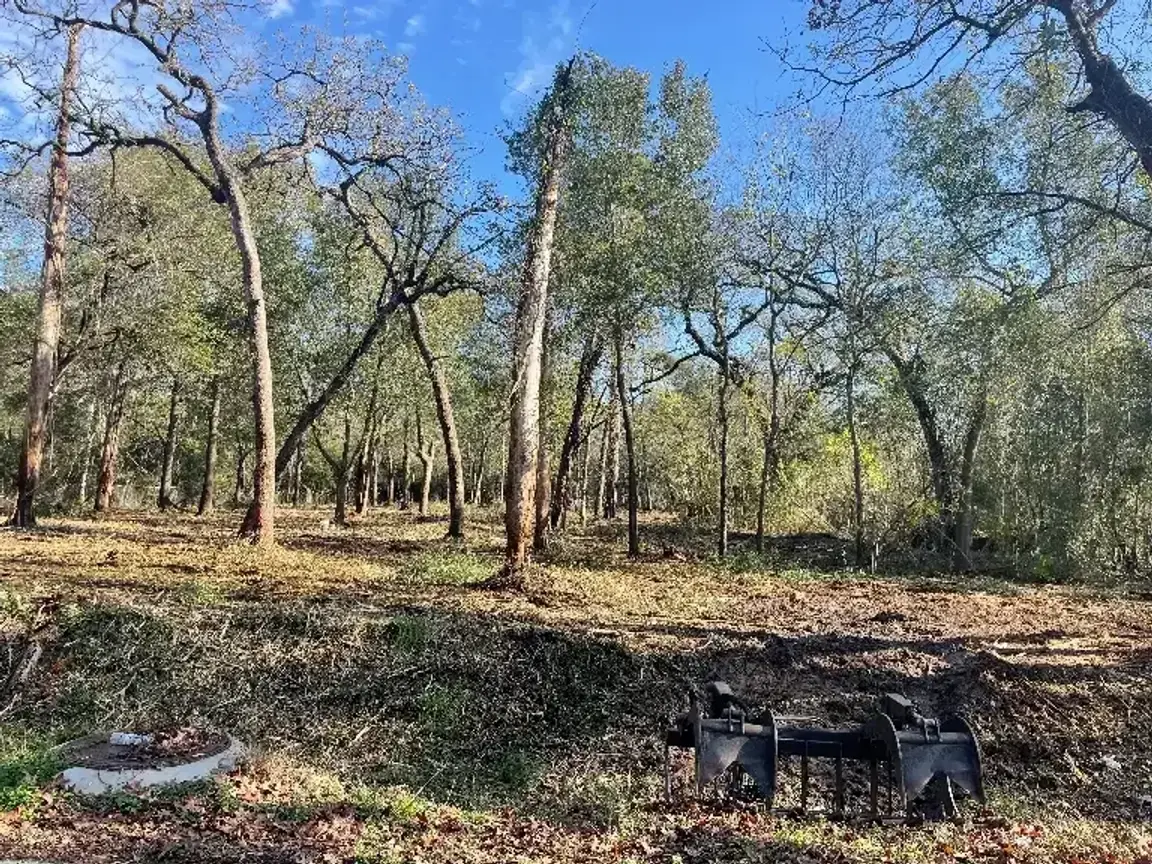

If you own an empty lot in Houston that you no longer need, you may be wondering how to turn it into cash without waiting months for the right buyer.
The good news is that you have options.
To quickly sell vacant land, start by gathering accurate property information, understanding what the parcel is realistically worth, identifying issues that could delay closing, and choosing a selling method designed around speed. For owners who do not want to list the property and wait for a retail buyer, selling directly to a cash land buyer may provide a faster alternative.
Vacant land, however, is different from a house. Buyers may need to investigate road access, utilities, flood conditions, deed restrictions, development potential, taxes, liens, and title before they are comfortable purchasing it.
That means the fastest sale often begins before you ever receive an offer.
Here is how Houston landowners can make the process more efficient.
What Is the Quickest Way to Sell Vacant Land in Houston?
For many owners, the quickest way to sell vacant land is to sell the property as-is to a direct cash land buyer rather than listing it and waiting for an individual buyer who may need financing.
A direct buyer evaluates the parcel, makes an offer, and purchases the land without requiring the seller to go through the traditional marketing process.
That can eliminate several potential delays, including:
- Preparing the property for sale
- Creating a traditional real estate listing
- Waiting for showings
- Finding a buyer interested in that specific type of land
- Negotiating agent commissions
- Waiting for buyer financing
- Repeatedly reducing the asking price if the parcel does not sell
There is a tradeoff.
An investor’s cash offer may be below the potential price an ideal retail buyer would eventually pay. In return, sellers may gain greater speed and convenience.
If getting the highest possible price is your priority and you are willing to wait, traditional marketing may make sense. If your priority is to quickly sell vacant land and move on, obtaining a direct cash offer gives you another option to compare.
Why Can Vacant Land Be Difficult to Sell?
A vacant lot may look simple. There is no house to inspect, no kitchen to renovate, and no roof to replace.
But land buyers evaluate a different set of risks.
A buyer may want to know:
- Can I legally access the parcel?
- Is there road frontage?
- Are utilities available?
- What can I build?
- Are there deed restrictions?
- Is the property affected by flood hazards?
- Are there easements?
- Are property taxes current?
- Does the seller have clear title?
- Is the parcel large enough or shaped appropriately for its intended use?
With a house, the existing use is generally obvious.
With vacant land, much of the value comes from what the next owner can potentially do with it.
Uncertainty can therefore make land harder to market.
Owners who want a quick sale should focus on reducing that uncertainty.
8 Steps to Quickly Sell Vacant Land in Houston
1. Collect the Basic Property Information
Before looking for a buyer, determine exactly what you own.
Start with basic information such as:
- Property address, if available
- County
- Parcel or account number
- Legal description
- Approximate acreage
- Current ownership
- Existing survey, if you have one
- Road frontage or access information
- Known easements
- Utility information
- Deed restrictions, if applicable
- Current property-tax information
Vacant parcels sometimes lack normal street addresses, so the parcel or account number can be especially useful.
Do not assume you need to order every possible report before contacting a buyer. If your objective is a fast as-is sale, start with the documents and information you already have.
A buyer or title company can tell you if something additional is needed.
2. Set Realistic Expectations About Price
Pricing is one of the biggest factors affecting how quickly property sells.
Owners naturally want to get as much money as possible, but an asking price substantially above what buyers believe the land is worth can cause a parcel to sit on the market.
Vacant land should also be compared with the right type of property.
For example, an unimproved parcel without utilities should not automatically be valued like a finished building lot with water, sewer, paved access, drainage improvements, and other infrastructure.
Important land-value factors can include:
- Location
- Acreage
- Parcel shape
- Road frontage
- Legal access
- Utilities
- Nearby development
- Flood characteristics
- Easements
- Deed restrictions
- Development potential
- Current market demand
If speed matters most, price and convenience often involve a tradeoff.
A retail marketing strategy may seek a higher price but require more time. A direct cash buyer may offer less than an eventual retail buyer in exchange for a simpler and potentially faster transaction.
Compare the net proceeds, conditions, and timeline, not just the headline purchase price.
3. Identify Who Is Most Likely to Buy Your Land
Marketing vacant land to everyone is rarely as effective as reaching buyers who actually want that type of property.
Depending on the parcel, likely buyers could include:
- Adjacent property owners
- Homebuilders
- Developers
- Farmers or ranchers
- Business owners
- Investors
- Recreational land buyers
- Direct land-buying companies
A small residential infill lot and 30 acres of rural land appeal to very different audiences.
If you are listing the property yourself, identify its likely use and market accordingly.
If you simply want to quickly sell vacant land, contacting buyers that already purchase vacant parcels can eliminate much of this search.
1800LOTS buys vacant and raw land directly from owners in Houston and other markets, including residential lots, rural acreage, suburban parcels, and select commercial properties.
4. Find Out What You Know About Access and Utilities
Access and utilities can have a major influence on vacant land.
A buyer considering construction may need to know whether the parcel has public-road frontage and whether electricity, water, sewer, or other services are available.
Do not guess.
If you do not know whether utilities are available, say so and allow the prospective buyer to investigate.
More importantly, do not assume that missing utilities mean you cannot sell.
Vacant property without existing utility connections can still have value. Investors and experienced land buyers may evaluate the cost and feasibility of future improvements when deciding what they are willing to pay.
If this describes your property, read the 1800LOTS guide on how to sell undeveloped land with no utilities.
Installing utilities before a sale can be expensive and time-consuming. Unless you have a specific development strategy, it may make more sense to find a buyer willing to purchase the property in its current condition.
5. Understand Houston’s Deed Restrictions and Development Rules
Houston is frequently described as a city without traditional zoning, but sellers should not interpret that to mean vacant land is free from land-use limitations.
The City of Houston confirms that the city is not zoned. However, recorded deed restrictions can limit property uses and regulate matters such as setbacks, lot sizes, structures, orientation, and certain fences.
Restrictions can vary between subdivisions—and sometimes even between sections or individual lots.
Houston also has development regulations that may affect platting, site plans, streets, flood-prone areas, and other aspects of development.
Why does this matter when you are trying to sell?
Because a buyer’s intended use can affect whether the property is valuable to that buyer.
If someone wants to purchase your parcel for a particular project and later discovers a restriction that prevents that project, the transaction could fall apart.
You do not need to become a Houston land-use expert before selling. But avoid making promises about what can be built unless you have reliable information.
Give prospective buyers what you know and let them conduct appropriate due diligence.
6. Check Flood Information Before It Becomes a Surprise
Houston-area landowners should expect sophisticated buyers to investigate flood risk.
Flood characteristics can affect construction feasibility, engineering requirements, insurance considerations, development costs, and ultimately what someone is willing to pay.
If you already have a survey, elevation certificate, drainage report, or other relevant property records, keep them available.
You can also use FEMA’s official Flood Map Service Center to research flood hazard information.
Do not make unsupported statements such as “the property cannot flood” or “the lot is completely outside the floodplain.”
If you are uncertain, say that you are uncertain.
Transparency early in the process can help prevent a buyer from discovering something unexpected later and walking away.
7. Address Title Issues as Early as Possible
Finding a willing buyer does not necessarily mean you are ready to close.
The person selling the land must have the legal ability to transfer it.
Potential title complications include:
- A deceased owner in the chain of title
- Multiple heirs
- Unresolved probate
- Delinquent property taxes
- Liens
- Judgments
- Ownership disputes
- Incorrect legal descriptions
- Missing documents
- Old unreleased liens
These problems do not always make a sale impossible.
They can, however, slow it down.
If you inherited the property, start by confirming who legally owns it and who has authority to sign.
The 1800LOTS guide on how to sell inherited land in Houston provides additional information for owners dealing with inherited parcels.
When ownership is complicated, speak with the title company handling the closing or an appropriate Texas attorney. Resolving an issue before you are days away from a planned closing can save considerable time.
8. Choose a Selling Method Based on Your Real Priority
Ask yourself one question:
Do I care more about maximizing the possible selling price or completing the sale quickly?
There is no universally correct answer.
If you want to test the retail market and can wait, consider listing with an agent experienced in land.
If you have real estate experience and time to market the parcel yourself, FSBO may be an option.
If your primary objective is to sell without months of marketing, a direct cash land buyer may be the better fit.
Understanding this distinction can save you from choosing a sales strategy that conflicts with your actual goal.
Cash Land Buyer vs. Realtor vs. FSBO
Here is a simple comparison.
| Factor | Cash Land Buyer | Real Estate Agent | FSBO |
|---|---|---|---|
| Traditional listing required | No | Yes | Usually |
| Agent commission | No agent commission in direct sale | Typically applicable | No listing-agent commission |
| Seller handles marketing | Usually no | Agent handles much of it | Yes |
| Buyer financing risk | Lower with verified cash purchase | Depends on buyer | Depends on buyer |
| Potential retail exposure | Limited | High | Depends on marketing |
| Seller workload | Lower | Moderate | Higher |
| Best fit | Speed and convenience | Retail exposure | Control and DIY selling |
When a Realtor May Make Sense
A land-focused real estate agent can expose your property to buyers through the MLS and other marketing channels.
That may be valuable if your parcel has strong retail appeal and you have enough time to wait for the right buyer.
Remember to look for an agent who actually understands land.
An agent who primarily sells houses may not have the same experience with acreage, utility availability, easements, subdivision regulations, or development-oriented buyers.
When FSBO May Make Sense
Selling the land yourself gives you control.
It can work particularly well when:
- You already know a likely buyer.
- An adjacent owner has expressed interest.
- You understand land pricing.
- You are comfortable handling inquiries and negotiations.
- You are not under significant time pressure.
The tradeoff is that you become responsible for much of the marketing and coordination.
When a Direct Cash Buyer May Make Sense
A direct buyer is worth considering when convenience and speed matter more than testing the entire retail market.
For example, you may want a direct sale because:
- You inherited unwanted land.
- You live outside Houston.
- You are tired of property taxes.
- The lot has been unused for years.
- The land needs clearing.
- There are no utilities.
- A previous listing expired.
- You do not want to manage showings or inquiries.
- You want to avoid agent commissions.
- You need to free up cash for another purpose.
The important point is to evaluate the offer on its full terms.
Ask what you will receive at closing, what conditions apply, who pays closing expenses, and how long the buyer expects the transaction to take.
Should You Improve Vacant Land Before Selling It?
Not automatically.
Owners sometimes believe they need to make vacant property look “sale ready” in the same way they would prepare a house.
They may consider:
- Clearing trees
- Removing brush
- Grading the land
- Installing fencing
- Building a driveway
- Bringing in utilities
- Ordering a survey
- Adding drainage improvements
Some of these improvements may increase a property’s usefulness.
But if your goal is to quickly sell vacant land, they can also introduce cost and delay.
Suppose an improvement costs thousands of dollars and takes several months to complete. Even if it increases the eventual selling price, you need to determine whether the increase is likely to justify the expense, time, and risk.
Before improving the property, ask potential buyers whether they would purchase it as-is.
A direct land buyer may be comfortable evaluating the parcel in its current condition.
What Can Slow Down a Vacant Land Sale?
Knowing what creates delays is almost as important as knowing what speeds up a transaction.
Unrealistic Pricing
A high asking price may discourage serious inquiries.
Use relevant land comparables rather than relying on the value of nearby houses or fully improved lots.
Unclear Ownership
If several family members believe they own the parcel, establish the legal ownership before expecting a quick closing.
Missing Access
Unclear legal access can require additional investigation and significantly change a property’s value to certain buyers.
Unresolved Liens or Taxes
Outstanding obligations affecting title may need to be addressed before or as part of closing.
Waiting for a Financed Buyer
Financing introduces another party and additional requirements into the transaction.
A legitimate cash buyer does not need to wait for conventional loan approval, although title and due diligence still need to be completed.
Spending Months Improving the Land
Do not accidentally turn a quick sale into a development project.
Determine what the buyer actually needs before spending money.
Choosing the Wrong Buyer
A buyer who makes an attractive offer but lacks the resources or willingness to close can waste valuable time.
Review the terms of the offer and consider evidence that the buyer can perform.
How Long Does It Take to Sell Vacant Land in Houston?
There is no single timeline that applies to every vacant property.
A traditional sale depends on how quickly a suitable buyer appears, negotiations, due diligence, financing when applicable, and title.
A cash transaction can eliminate the financing stage, but it does not eliminate legitimate due diligence or title work.
1800LOTS states that its direct Houston purchases can close and fund within approximately two weeks when title is clear. Properties with title challenges can take longer.
That distinction is important.
Be cautious about anyone promising an exact closing date before reviewing the property and title.
If you need to sell by a particular date, tell prospective buyers at the beginning. You can then evaluate whether their proposed timeline actually meets your needs.
How to Quickly Sell Vacant Land to 1800LOTS
1800LOTS is based in Houston and specializes in purchasing vacant, raw, and undeveloped land directly from owners.
According to the company, sellers do not pay real estate agent commissions when 1800LOTS purchases the property directly, and 1800LOTS covers closing costs for its direct purchases.
The process is designed to be straightforward.
Step 1: Tell 1800LOTS About the Property
Provide basic information about your vacant land.
A property address is helpful when available, but an assessor parcel or account number can also identify vacant property.
Step 2: The Property Is Evaluated
The team reviews the parcel and performs due diligence.
Property characteristics such as location, acreage, access, utilities, title, restrictions, and potential use may factor into the evaluation.
Step 3: Receive an All-Cash Offer
If 1800LOTS wants to purchase the property, you receive a cash offer.
You can review the terms and decide whether the speed and convenience of a direct sale are worth the offered price.
There is no obligation to accept simply because you requested an offer.
Step 4: Complete the Closing
If you accept, the transaction moves toward title and closing.
When title is clear, 1800LOTS states that closing and funding can occur within approximately two weeks.
You can learn more about the company’s background and approach on the About 1800LOTS page.
What Information Should You Have Ready Before Requesting a Cash Offer?
You do not need a huge property file.
Start with whatever information you have.
The most useful details generally include:
- Property address or parcel/account number
- Approximate acreage
- County
- Your ownership information
- Known access information
- Existing survey, if available
- Known utility information
- Anything unusual about the parcel
If you do not know all the answers, that does not necessarily prevent you from requesting an offer.
Just be accurate about what you know and what you do not.
Frequently Asked Questions About Selling Vacant Land in Houston
How can I quickly sell vacant land in Houston?
To quickly sell vacant land in Houston, gather your property information, set realistic price expectations, disclose known issues, resolve major title problems, and market directly to people or companies that buy vacant property. If speed is your priority, consider comparing a direct cash offer with traditional listing options.
Do I need a Realtor to sell vacant land in Houston?
No. A property owner can sell directly to a buyer without hiring a real estate agent. An experienced land agent can nevertheless be useful when you want broader retail exposure and professional marketing.
Can I sell a vacant lot as-is?
Yes. Vacant land can be sold in its existing condition if a buyer is willing to purchase it that way. Direct land buyers commonly evaluate raw or unimproved property without requiring the owner to develop it first.
Do I need to clear my vacant lot before selling?
Not necessarily. Clearing could improve visibility or usability, but it also costs money and takes time. Before clearing a property solely to facilitate a sale, determine whether your likely buyer actually requires it.
Can I sell Houston land with unpaid property taxes?
Potentially. Unpaid taxes can affect title and the proceeds you receive from a sale. The title company or appropriate professional handling your transaction can explain how outstanding amounts need to be addressed.
What if my vacant land has no utilities?
You can still sell it. Lack of utilities may affect value and the types of buyers interested in the parcel, but experienced land buyers regularly evaluate unimproved properties.
Can I sell inherited vacant land?
Yes, as long as the person or people selling have legal authority to transfer ownership. Probate or heirship issues may need to be resolved before closing when ownership has not been properly transferred.
Can vacant land in a Houston floodplain be sold?
Yes. Being in a mapped flood hazard area does not automatically prevent a property from being sold. It can, however, influence development requirements, buyer demand, costs, and valuation. Buyers should conduct appropriate due diligence.
How much does it cost to sell vacant land?
Costs depend on the selling method and transaction. A traditional sale may involve commissions and seller expenses. FSBO sellers may have marketing or professional costs. In a direct sale, costs depend on the buyer’s terms. 1800LOTS states that it charges no agent commission and covers closing costs when it directly purchases a property.
Is selling vacant land for cash safe?
A cash sale can be legitimate, but sellers should still perform normal due diligence. Read the purchase agreement, understand the buyer’s contingencies, use appropriate closing professionals, and do not rely solely on verbal promises.
Should I accept the first cash offer for my land?
Not automatically. Consider the price, closing costs, contingencies, due diligence period, proposed closing date, and likelihood that the buyer will actually complete the purchase. You can also compare the offer with other selling options before deciding.
Is it better to sell vacant land now or hold it?
That depends on your goals and the specific property. Holding may make sense if you expect to use the land or are comfortable with its costs and risks. Selling may make more sense if the property is unused, taxes and maintenance are becoming burdensome, or you would rather put the capital elsewhere.
Ready to Quickly Sell Vacant Land in Houston?
If vacant property has become something you no longer want to own, you do not necessarily need to spend months preparing, improving, and marketing it.
Start by deciding what matters most.
If maximizing your potential retail price is your priority, consider getting an opinion from an experienced land agent and allowing enough time to expose the parcel to the market.
If speed and convenience are more important, consider getting an as-is cash offer and comparing the numbers.
Houston-based 1800LOTS purchases vacant and undeveloped property directly from landowners. There are no real estate agent commissions on a direct purchase, and the company states that it covers closing costs.
The first step is simply providing information about your parcel.
You can then review the offer without obligation and decide whether it makes sense for your situation.
If you want to quickly sell vacant land, the best strategy is not necessarily doing more work to the property. It is removing avoidable obstacles, setting realistic expectations, and finding a buyer whose process matches your timeline.
Get Started: Get a Cash Offer Below…
We are direct lot buyers. There are no commissions or fees and no obligation whatsoever. Start below by sharing where your property is and where we can send your offer…