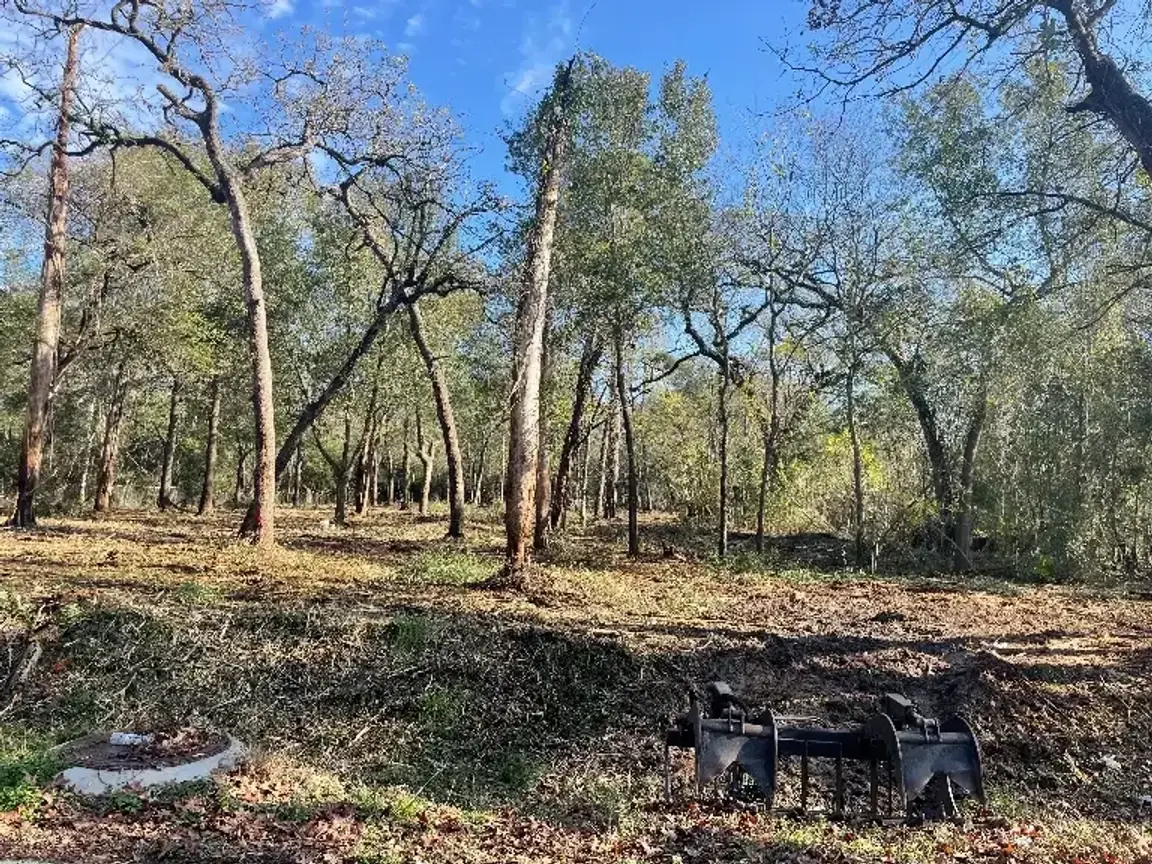

Selling vacant land may look simple: find a buyer, agree on a price, sign the paperwork, and close. In reality, land presents questions that homeowners do not always encounter when selling a house.
Houston adds another layer. Flood exposure, drainage, access, subdivision rules, deed restrictions, utilities, title history, taxes, and the intended use of a parcel can all influence how buyers evaluate vacant land.
Understanding the most common mistakes to avoid when selling land in Houston can help you make a more informed decision, reduce unnecessary delays, and choose a selling method that fits your priorities.
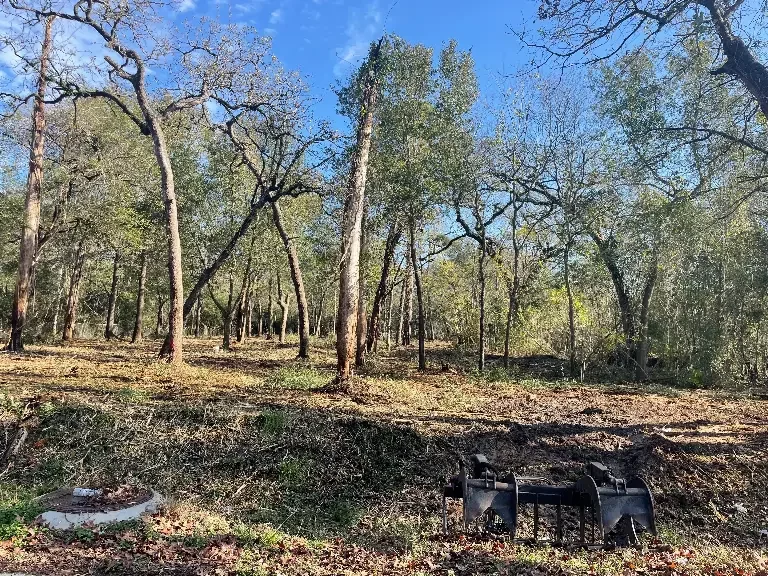
What Mistakes Should You Avoid When Selling Land in Houston?
The biggest mistakes when selling vacant land in Houston include setting an unrealistic price, overlooking flood and drainage conditions, misunderstanding development restrictions, failing to verify access or utilities, waiting too long to address title or tax issues, spending unnecessarily on improvements, marketing to the wrong buyers, and accepting an offer without comparing its full terms.
Here are 12 mistakes Houston-area landowners should watch for.
1. Pricing Your Vacant Land Like a House
One of the first mistakes a landowner can make is assuming vacant land should be valued the same way as a house.
Homes often have many comparable characteristics: square footage, bedrooms, bathrooms, age, condition, and neighborhood. Vacant parcels can differ significantly even when they sit near one another.
Two lots of similar size can have very different marketability because of:
- Location
- Road frontage
- Access
- Flood exposure
- Drainage
- Utilities
- Parcel shape
- Development limitations
- Deed restrictions
- Surrounding development
- Intended use
- Buyer demand
That makes land valuation highly property-specific.
A nearby parcel selling for a certain price does not automatically mean yours is worth the same amount.
How to avoid this mistake
Look at genuinely comparable land transactions rather than relying primarily on home values or asking prices.
Pay attention to what makes the comparable parcel similar or different from yours.
Also distinguish between asking price and sale price. A property listed online for $100,000 has not necessarily demonstrated that buyers are willing to pay $100,000.
If you are considering a direct sale, you can also compare that option against what you believe you could net through a traditional listing.
2. Not Confirming Exactly What You Own
Before trying to sell, make sure you understand the property itself.
Landowners sometimes inherit property, purchase it years earlier, or live far away from it. As a result, they may know the general location but not the details a serious buyer will want.
Useful information can include:
- Property address, if one exists
- Appraisal district or parcel identification number
- Legal description
- Approximate acreage
- Ownership information
- Recorded plat information
- Known easements
- Road access
- Tax status
- Available survey
- Utility information
- Known deed restrictions
Houston’s Planning and Development Department provides tools for researching subdivision and plat information, and the city’s PlatTracker allows the public to search land-development applications and recently recorded subdivision plats.
You do not necessarily need to solve every property question before speaking with a buyer. However, having accurate information can make evaluation easier.
How to avoid this mistake
Start with the documents you already have.
Don’t guess when you don’t know an answer. Instead, tell the buyer what you know and identify what may need verification.
3. Ignoring Flood Risk and Drainage
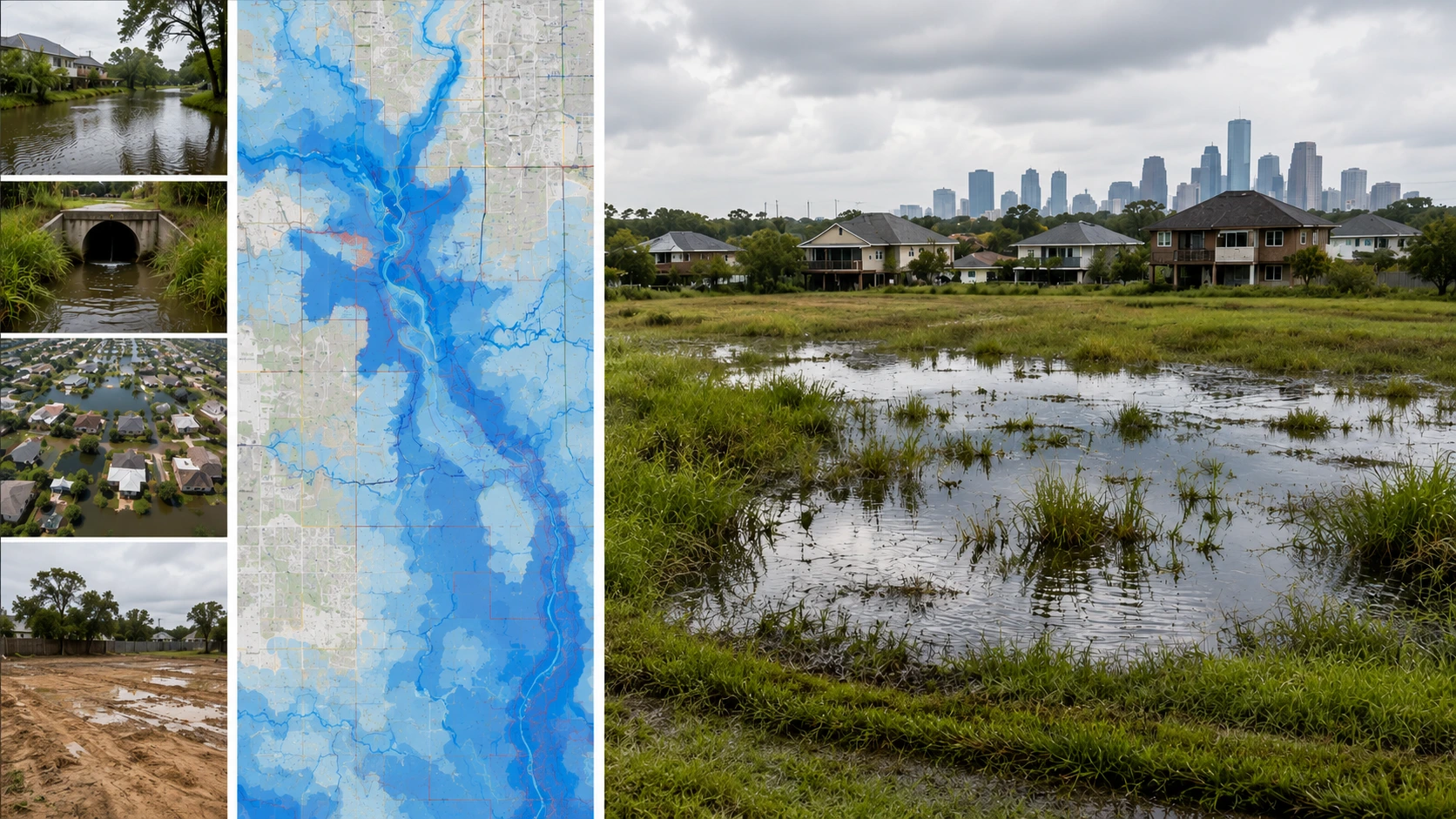
Flood and drainage considerations deserve particular attention in the Houston area.
A landowner should not assume that two nearby parcels have identical flood characteristics simply because they are in the same neighborhood.
Flood-related information can influence how a potential buyer thinks about development, insurance, site preparation, financing, and future use.
The Harris County Flood Control District provides interactive mapping resources that can help property owners and buyers investigate flood-related information.
How to avoid this mistake
Before marketing your property, gather whatever flood and drainage information is reasonably available.
If you know about a material property condition, do not try to hide it from a prospective buyer.
A parcel with flood-related considerations is not automatically unsellable. It simply needs to be evaluated based on its actual characteristics and potential uses.
That distinction matters.
The mistake isn’t owning land with a challenge. The mistake is pricing, marketing, or negotiating as though the challenge doesn’t exist.
4. Assuming “No Zoning” Means No Land-Use Restrictions
This is an especially important Houston-specific mistake.
You may have heard that Houston has no zoning. That is broadly true in the traditional citywide zoning sense, but it does not mean a Houston property has no development rules or restrictions.
The City of Houston states that it does not have zoning, while also explaining that land development regulations is governed by ordinances covering matters such as subdivision, platting, building lines, streets, access, parking, and other development requirements.
Recorded deed restrictions can matter as well. The City notes that deed restrictions can vary by subdivision, section, and even lot.
How to avoid this mistake
Do not advertise a parcel as suitable for a specific use simply because “Houston has no zoning.”
Instead, verify the factors relevant to that particular property.
Depending on the parcel and intended use, a buyer may need to investigate:
- Platting
- Deed restrictions
- Building setbacks
- Access requirements
- Floodplain regulations
- Utility requirements
- Subdivision rules
- Permitting requirements
- Other applicable regulations
Accurate information builds credibility and reduces the chance of a buyer discovering an unexpected problem late in the transaction.
5. Overlooking Road Access and Easements
A parcel’s location on a map does not necessarily tell you everything about legal or practical access.
Buyers may want to know whether the property fronts a public road, relies on an easement, shares access, or has another access arrangement.
Access can influence what a buyer believes the property can be used for and how easily it can be developed.
Houston’s development review process considers matters including adequate streets, rights-of-way, building lines, and access.
How to avoid this mistake
Determine what you actually know about access and what still needs to be verified.
If an easement appears in your documents, make it available for review when appropriate.
Most importantly, don’t promise access rights you have not confirmed.
If access is complicated, that does not necessarily prevent a sale. It may simply narrow the buyer pool or affect how the parcel is valued.
6. Not Checking Utility Availability
Vacant land does not necessarily have water, sewer, electricity, gas, or other services readily available at the property line.
A common mistake is describing land as “utilities available” without understanding exactly what that means.
A utility being somewhere in the area is different from a utility being immediately available to the parcel at a reasonable connection cost.
For some buyers, utility access is central to their plans. For others, particularly buyers considering longer-term investment or certain rural uses, it may be less important.
How to avoid this mistake
Avoid making assumptions.
Identify what you know about:
- Water
- Sewer
- Electricity
- Gas
- Septic feasibility, where relevant
- Well considerations, where relevant
- Utility easements
If you don’t know, say so.
You also do not necessarily have to install utilities before selling. 1800LOTS states that surveys and zoning information are not always required before owners contact the company and that it purchases raw and undeveloped land as part of its acquisition activity.
7. Waiting Until Closing to Address Title Problems
Title problems have a habit of becoming urgent at the worst possible time.
Potential issues may include:
- An old lien
- Incorrect ownership information
- A deceased owner remaining in the chain of title
- Multiple heirs
- Missing documents
- Unreleased obligations
- Conflicting legal descriptions
- Other recorded interests
If a title issue appears late, the transaction may take longer than expected while the parties determine what needs to be resolved.
How to avoid this mistake
If you already know about a title complication, mention it early.
Gather relevant documents, especially when the property was inherited or ownership has changed through an estate.
You should not assume a title problem makes the land impossible to sell. Depending on the issue, there may be ways to work through it.
1800LOTS states that title issues, inherited ownership situations, and unpaid taxes are issues it encounters with vacant land and that its team may be able to help owners understand the path toward closing.
For legal questions about ownership or title rights, consult an appropriate Texas real estate attorney or title professional.
8. Ignoring Property Taxes, Liens, and Other Obligations
Another common mistake is focusing on the sale price without first understanding what may affect the amount received at closing.
Vacant land can carry obligations such as unpaid property taxes or recorded liens.
An owner who has held unused land for years may also want to consider the continuing cost of ownership while deciding whether to wait for a different buyer.
How to avoid this mistake
Before comparing your options, identify known obligations associated with the parcel.
Then evaluate offers based on estimated net proceeds, not simply the number printed at the top of an offer.
For example, ask:
- Who pays closing costs?
- Are there commissions?
- Are there transaction fees?
- How will known liens or taxes be handled?
- Is the buyer asking for credits?
- Is the offer contingent on financing?
- What could change before closing?
The highest headline price and the best overall transaction are not always the same thing.
9. Spending Money on Improvements Before Knowing the Return
Owners sometimes assume they need to clear brush, remove debris, install utilities, obtain a new survey, build access, or otherwise improve vacant land before anyone will buy it.
Sometimes an improvement can help marketability.
Sometimes it simply creates another expense.
The key question is not:
“Would this improvement make the property nicer?”
It is:
“Is this improvement likely to produce enough additional value to justify its cost, time, and risk?”
How to avoid this mistake
Get a clearer understanding of your likely selling strategy before spending heavily on the property.
If you intend to market to an end user who expects a ready-to-build lot, certain information or preparation could matter.
If you intend to sell the property as-is to a direct buyer, those expenses may not be necessary.
1800LOTS markets its Houston service as an as-is purchasing option and states that owners do not need to clear or improve a parcel before requesting an offer.
Compare the potential return before writing checks.
10. Marketing Vacant Land Like a House
Vacant land and houses attract buyers for different reasons.
A home buyer can walk through a property and immediately understand many of its features. With vacant land, buyers often need information to understand the parcel’s possibilities and limitations.
That means a few photos and a street address may not be enough.
A useful land listing may need to communicate:
- Parcel size
- Location
- Access
- Approximate dimensions
- Utilities
- Flood information
- Plat information
- Restrictions
- Surrounding development
- Potential uses, where verified
- Relevant property records
How to avoid this mistake
Think about who the likely buyer is.
A neighboring owner may evaluate the parcel differently from a builder. A developer may ask different questions from a recreational buyer. An investor may have different criteria from an owner-occupant.
Your marketing should help the appropriate audience understand the property.
If you do not want to market the land yourself, another option is to work with a real estate professional experienced in land or request an offer from a direct land buyer.
11. Comparing Land Offers by Price Alone
Suppose you receive two offers:
Offer A: Higher price, financing contingency, extended due-diligence period and uncertain closing date.
Offer B: Lower price, cash, fewer contingencies and faster closing.
Which one is better?
There is no universal answer.
It depends on your goals and the actual contract terms.
A seller prioritizing maximum potential price may prefer one structure. Someone prioritizing certainty, convenience, or speed may prefer another.
How to avoid this mistake
Compare the complete offer.
Look at:
- Purchase price
- Expected net proceeds
- Earnest money
- Financing
- Due-diligence period
- Contingencies
- Closing date
- Closing costs
- Buyer cancellation rights
- Seller obligations
- Required improvements
- Who handles paperwork
- Whether the buyer can actually perform
Read the purchase agreement carefully before signing it. For questions about contractual rights or obligations, consider seeking advice from a qualified Texas real estate attorney.
12. Choosing a Selling Method That Doesn’t Match Your Goal
This may be the most important mistake on the list.
There is no single best way to sell every Houston parcel.
Your best route depends on what matters most to you.
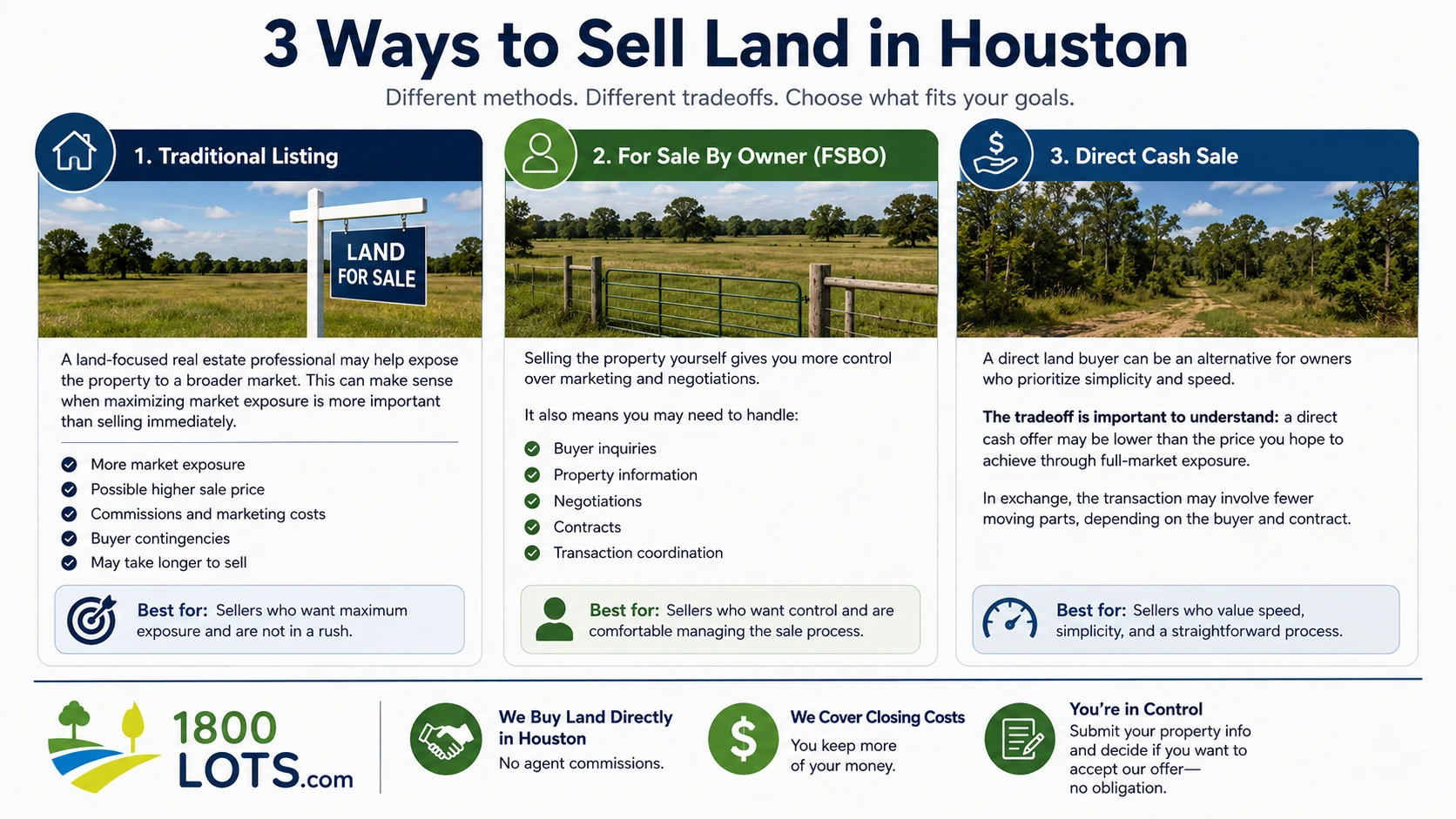
Traditional listing
A land-focused real estate professional may help expose the property to a broader market. This can make sense when maximizing market exposure is more important than selling immediately.
However, sellers should consider commissions, marketing time, buyer contingencies, and the possibility that the property takes longer to sell.
For sale by owner
Selling the property yourself gives you more control over marketing and negotiations.
It also means you may need to handle buyer inquiries, property information, negotiations, contracts, and transaction coordination yourself.
Direct cash sale
A direct land buyer can be an alternative for owners who prioritize simplicity and speed.
The tradeoff is important to understand: a direct cash offer may be lower than the price you hope to achieve through full-market exposure. In exchange, the transaction may involve fewer moving parts, depending on the buyer and contract.
1800LOTS says it purchases land directly in Houston, does not charge sellers an agent commission, and covers closing costs in its direct purchases. It also states that sellers can submit property information and decide whether to accept the resulting offer without obligation.
How to avoid this mistake
Start by defining your priority:
Do I want to maximize potential price, minimize effort, sell quickly, or balance those objectives?
Once you know the answer, compare selling methods based on that goal rather than assuming one approach is best for everyone.
How to Avoid Common Houston Land-Selling Mistakes
Before selling vacant land in Houston, use this simple process:
- Identify the property accurately. Gather the parcel number, legal description, acreage, and available records.
- Research realistic value. Compare relevant land sales rather than relying only on home prices or active listings.
- Investigate Houston-specific factors. Consider flood conditions, access, platting, deed restrictions, development regulations, and utilities.
- Identify title and tax concerns early. Known complications are usually easier to address before a closing deadline.
- Avoid unnecessary improvements. Determine whether the likely return justifies the expense.
- Decide what matters most. Price, speed, convenience, certainty, and flexibility can lead to different selling strategies.
- Compare offers by net outcome and terms. Do not focus exclusively on purchase price.
- Review agreements carefully. Understand contingencies, costs, obligations, and closing requirements before signing.
Houston land can vary significantly from parcel to parcel. Doing a modest amount of due diligence before selling can make it easier to evaluate your options confidently.
Frequently Asked Questions
What mistakes should I avoid when selling land in Houston?
Common mistakes include unrealistic pricing, failing to investigate flood and drainage conditions, overlooking access or utilities, misunderstanding Houston development restrictions, delaying title research, ignoring taxes or liens, making unnecessary improvements, marketing to the wrong buyers, and comparing offers only by price.
Does Houston have zoning for vacant land?
Houston does not have a traditional citywide zoning ordinance. However, that does not mean land is unrestricted. Development can still be affected by subdivision and platting requirements, building lines, access rules, floodplain regulations, deed restrictions, and other applicable requirements.
Do I need to improve vacant land before selling it in Houston?
Not necessarily. Whether an improvement makes sense depends on the property, buyer, selling method, cost, and expected return. Some direct buyers purchase vacant land as-is, which may allow an owner to sell without clearing or improving the property first.
Can I sell Houston land with title issues or back taxes?
Potentially. A title issue or unpaid taxes do not automatically mean a property cannot be sold, but they may need to be addressed as part of the transaction. 1800LOTS states that it encounters properties with title issues, inherited ownership situations, and unpaid taxes.
Is it better to list Houston land or sell it to a cash buyer?
It depends on your objective. A traditional listing may provide broader market exposure and the opportunity to seek a higher price. A direct cash sale may appeal to owners who value speed, convenience, fewer contingencies, or an as-is transaction. Compare estimated net proceeds and contract terms before deciding.
How do I know what my vacant land in Houston is worth?
Land value can depend on location, acreage, access, utilities, flood characteristics, development potential, restrictions, parcel shape, nearby sales, and buyer demand. Compare genuinely similar land transactions and account for meaningful differences between parcels.
How can I sell vacant land fast in Houston?
If speed is your priority, gather accurate property information, address known title issues early, price the property realistically, and target buyers who actively purchase land. Another option is requesting an offer from a direct cash land buyer and comparing that offer with your other selling options.
Do I need a Realtor to sell vacant land in Houston?
No. A property owner can potentially sell through a real estate agent, sell by owner, or sell directly to a land buyer. Each method has different advantages, costs, responsibilities, and timelines.
Conclusion
Avoiding common mistakes when selling land in Houston starts with understanding that vacant land is not the same as a house.
Price matters, but so do access, flood considerations, utilities, development rules, deed restrictions, title, taxes, buyer quality, contract terms, and your own reason for selling.
Before making a decision, determine what you value most: maximum market exposure, speed, simplicity, certainty, or some combination of those factors.
If you own unwanted vacant land in Houston and would like another option to compare, 1800LOTS buys land directly. You can provide basic information about your property, receive a no-obligation cash offer, and decide whether the terms work for you. According to 1800LOTS, its direct purchases involve no agent commissions and the company covers closing costs.
Request a cash offer for your Houston-area land and compare it with your other selling options before deciding what works best for you.