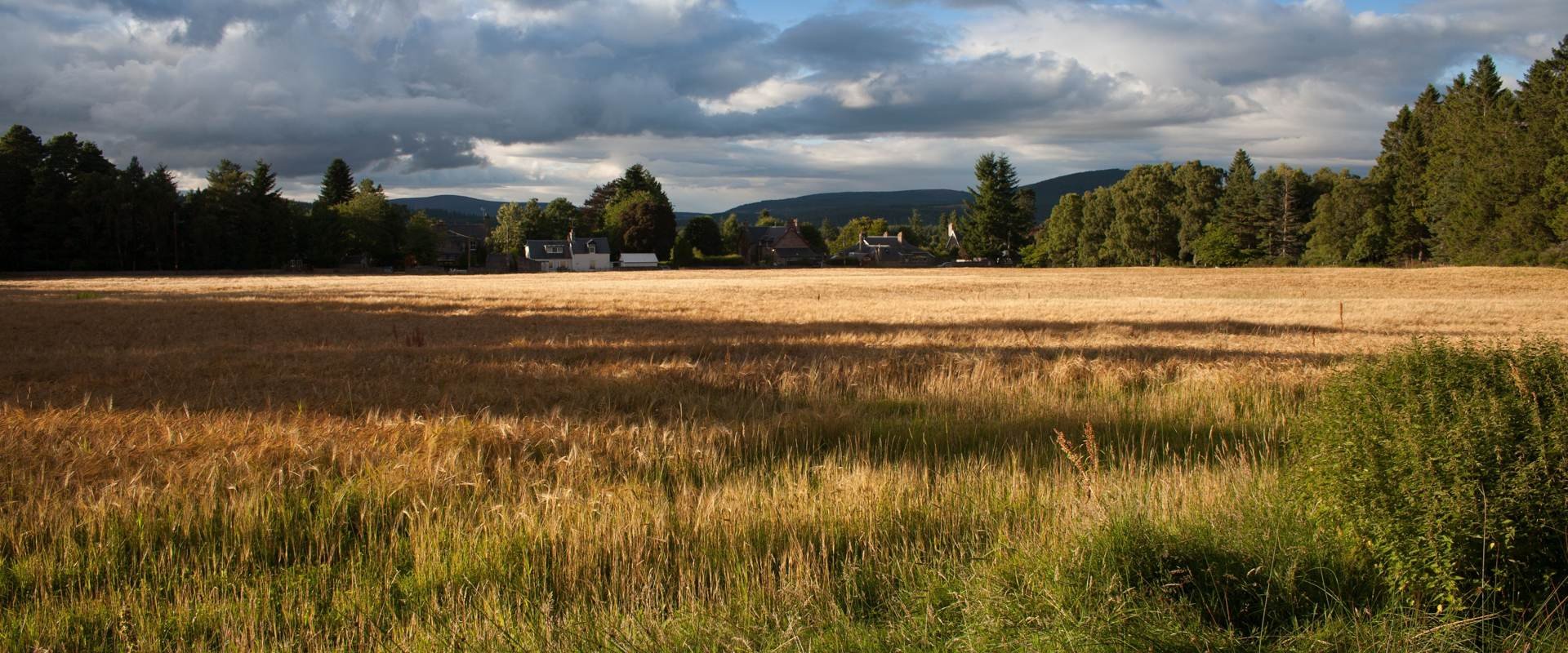

Many land and lot owners assume winter is the worst time to sell vacant property. While colder months can slow traditional real estate activity, winter can actually be an effective time to sell land, especially when working with a direct cash buyer. Fewer listings, motivated buyers, and simplified transactions often create opportunities that are not available during peak seasons.
Whether you own a vacant lot, inherited land, rural acreage, or undeveloped property, selling in the winter does not have to be complicated. Understanding how winter affects land sales can help you make informed decisions and avoid unnecessary holding costs.
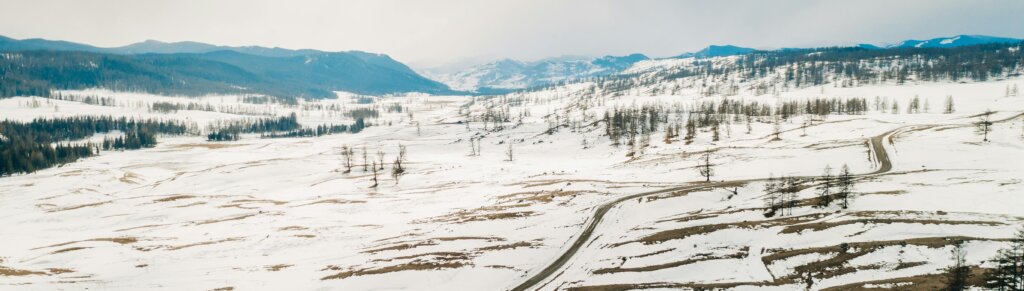
Is Winter a Bad Time to Sell Land or a Vacant Lot?
Winter is considered the off season for land sales, but demand does not disappear. Instead, the buyer pool becomes more focused. Investors, developers, and cash buyers often stay active year round, especially when competition from other sellers is lower.
Because many landowners wait until spring to sell, winter listings often stand out. Buyers who are shopping during this time are typically serious and prepared to move forward quickly.
Benefits of Selling Land in the Winter
Less competition from other land sellers
One of the biggest advantages of selling land in winter is reduced inventory. Fewer listings mean buyers have fewer options, which can increase visibility for your property. This is especially helpful for vacant lots or rural land that may otherwise be overlooked in a crowded market.
Motivated buyers and investors
Winter buyers are often motivated by timelines, development planning, or long term investment strategies. Many investors purchase land in winter so they can prepare for construction or resale in spring and summer.
This motivation often leads to faster decision making and fewer negotiations.
Faster transactions with cash buyers
Traditional land sales can take months due to financing requirements, surveys, zoning verification, or access issues. Cash buyers streamline the process by eliminating lender delays and unnecessary contingencies, making winter sales far more efficient.
Challenges of Selling Land or Lots in the Winter
Weather related access issues
Snow, rain, and muddy conditions can make it difficult for buyers to access vacant land. Poor road conditions or limited visibility may discourage traditional buyers who rely on in person visits.
Limited daylight and visibility
Shorter days can make it harder to evaluate property features such as boundaries, terrain, and access points. This can slow down decision making for buyers unfamiliar with land purchases.
Fewer traditional buyers
Retail buyers often wait until warmer months to purchase land, especially if they plan to build. This reduces demand from owner users and places more emphasis on investor buyers.
How to Prepare Land or Lots for a Winter Sale
Ensure clear ownership and documentation
Before listing land in winter, make sure the title is clear and that you have access to basic documentation such as surveys, tax records, and zoning information. These details become even more important when buyers cannot easily walk the property.
Address obvious access concerns
If possible, make sure access points are clearly identifiable. Even simple steps like marking entrances or providing maps can help buyers understand the property without needing ideal weather conditions.
Price the land realistically
Pricing is critical in winter. Overpriced land is more likely to sit because buyer demand is already narrower. Reviewing comparable land sales and factoring in winter conditions helps attract serious offers faster.
Selling Land As-Is During the Winter
Winter is often the ideal time to sell land as-is. Clearing, grading, surveying, or improving access can be difficult or costly during colder months. Selling as-is allows landowners to avoid these expenses and move forward without waiting for better weather.
Cash buyers are accustomed to purchasing land in its current condition. They evaluate zoning, access, location, and future potential rather than surface conditions impacted by seasonal weather.
Are Cash Land Buyers Active in the Winter?
Yes. Many cash land buyers actively seek properties in winter. Lower competition allows them to negotiate efficiently and plan future development or resale. For landowners, this creates an opportunity to sell quickly without the delays common in traditional listings.
Cash transactions also remove financing obstacles that can be harder to overcome during winter due to lender schedules and year end slowdowns.
Why Landowners Choose 1800LOTS in the Winter
For many landowners, winter is not the time to wait or invest more money into a property. It is the time to simplify. Working with a direct cash buyer removes many of the barriers that make winter sales challenging.
1800LOTS specializes in purchasing land and lots as-is, regardless of location, condition, or season. There are no repairs, no improvements required, and no need for showings or weather dependent site visits. Closings can happen quickly, providing certainty when timing matters most.
If selling land in the winter feels like a burden or a risk, a cash sale can offer relief. Instead of waiting months for the market to shift, landowners can move forward now and free themselves from ongoing expenses and uncertainty. Call us or fill out our form today!
Frequently Asked Questions About Selling Land in the Winter
Is winter a good time to sell vacant land for cash?
Yes. Winter often has less competition and more motivated buyers. Cash buyers remain active year round and can close quickly without weather related delays.
Do I need to clear or improve my land before selling in winter?
No. Most cash land buyers purchase property as-is. Clearing, grading, or improving access is not required.
Can I sell land if buyers cannot easily visit the property due to weather?
Yes. Cash buyers rely on maps, zoning data, satellite images, and title research rather than site visits alone.
How fast can land be sold in the winter?
Cash land sales can often close in a few weeks, sometimes sooner, depending on title and documentation.
Why sell land now instead of waiting for spring?
Waiting means continued taxes, fees, and liability. Selling now eliminates carrying costs and removes uncertainty.