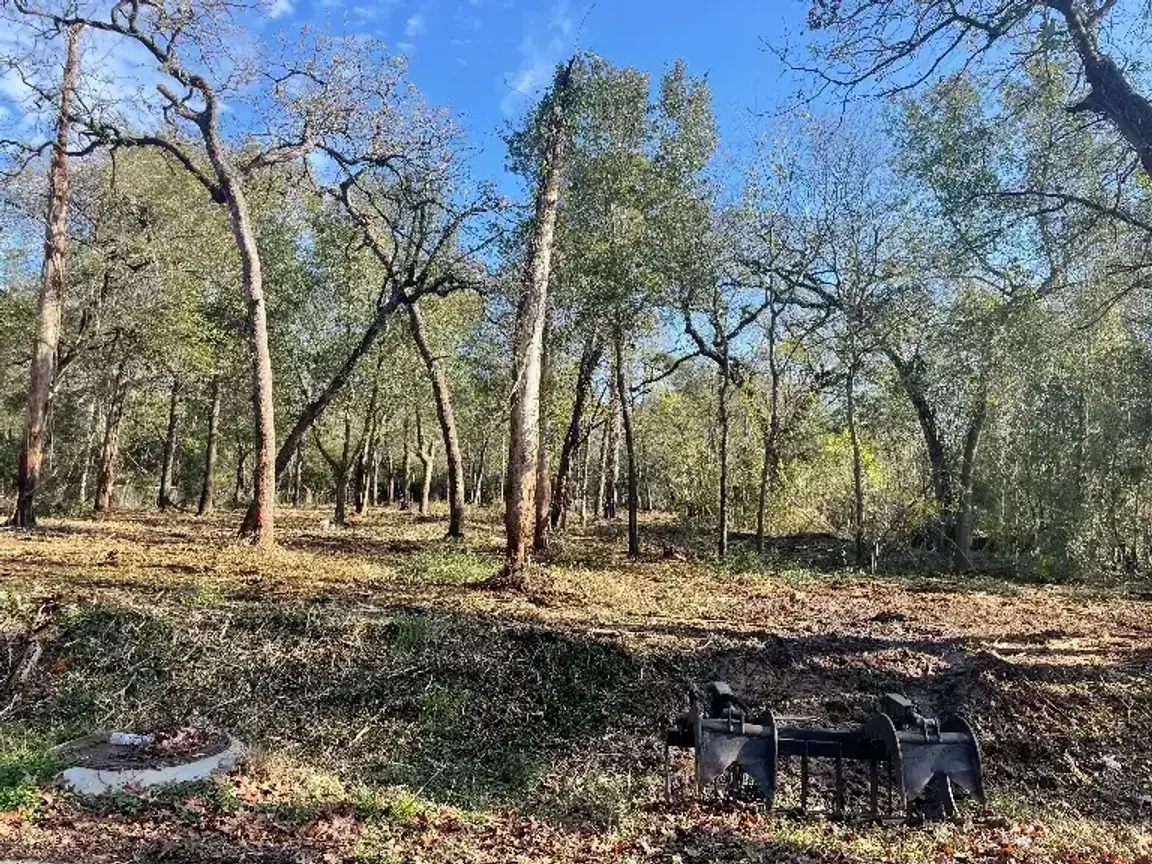

If you own vacant land, an unused lot, or inherited property in or around Houston, you may be asking, “How do I sell my land fast without dealing with months of listings, repairs, surveys, or buyer delays?”
You are not alone. Many landowners are surprised to learn that selling land is often very different from selling a house. A home usually has a larger pool of traditional buyers, lenders, agents, and comparable sales. Land can be more complicated. Buyers may worry about zoning, flood zones, road access, utilities, surveys, title issues, or whether the lot can actually be built on.
That is where cash land buyers come in.
Cash land buyers purchase lots and land directly from owners without relying on traditional bank financing. For many sellers, this creates a faster, simpler, and more predictable way to sell vacant land, especially when the property is unwanted, inherited, overgrown, out of state, behind on taxes, or difficult to market through a traditional listing.
This guide explains what cash land buyers are, how they work, when selling land for cash makes sense, and what Houston-area landowners should expect from the process.
What Is a Cash Land Buyer in Houston?
A cash land buyer is a company or investor that buys land directly from property owners using available funds instead of a traditional mortgage or bank loan.
Unlike many retail buyers, cash land buyers usually do not need:
- Loan approval
- Bank appraisals
- Long financing contingencies
- A finished building plan
- Perfect access or utilities
- Extensive property improvements before closing
This can make the transaction much simpler for the seller.
Cash land buyers typically evaluate the land based on practical factors such as location, acreage, zoning, access, market demand, floodplain status, nearby development, and future use potential. They are often willing to buy properties that traditional buyers may avoid, including vacant lots, rural acreage, inherited land, tax-delinquent parcels, landlocked lots, or properties that need cleanup.
For a landowner, the main benefit is certainty. Instead of waiting for the right buyer to come along, you can receive a direct offer and decide whether it works for your situation.
Why Selling Land Is Often Harder Than Selling a House
Many people assume land should be easy to sell because there is no house to repair, inspect, or clean. In reality, vacant land can be harder to sell than residential property.
A traditional homebuyer can walk through a house and picture how they would live in it. A land buyer has to imagine what the property could become. That means they often ask more complicated questions before making a decision.
Traditional land buyers may want to know:
- Is the lot buildable?
- Are utilities available?
- Is there legal road access?
- Is the property in a flood zone?
- What does the zoning allow?
- Are there deed restrictions?
- Is there a recent survey?
- Are there title issues?
- Are property taxes current?
- What are nearby lots selling for?
In the Houston area, land can come with additional concerns such as drainage, floodplain designation, rapid development patterns, county restrictions, utility availability, and access to major roads. These issues do not always make a property unsellable, but they can slow down a traditional sale.
A listing may sit for months if the property is not cleared, surveyed, priced correctly, or marketed to the right buyer. In some cases, the seller continues paying taxes, maintenance costs, HOA fees, or code violation penalties while waiting for a buyer.
How Cash Land Buyers Solve Common Seller Problems
Cash land buyers are designed to remove many of the obstacles that make land difficult to sell.
Instead of expecting the property to be perfect, they review the land as it is today. That means you may not need to clear trees, remove brush, install utilities, improve access roads, or pay for expensive reports before receiving an offer.
This can be especially helpful when the land is:
- Vacant and unused
- Inherited from a family member
- Located far from where you live
- Behind on property taxes
- Overgrown or difficult to access
- Too small, too rural, or too unusual for traditional buyers
- Landlocked or lacking road frontage
- A property you no longer want to manage
For many landowners, the goal is not to squeeze every possible dollar out of a long listing process. The goal is to move on, stop paying carrying costs, and turn an unwanted property into cash without unnecessary complications.
What Does Selling Land As-Is Mean?
Selling land as-is means the buyer purchases the property in its current condition. You are not expected to make improvements before the sale.
When selling land as-is to a cash buyer, you typically do not have to:
- Clear brush, trees, or debris
- Install water, sewer, or electricity
- Build a driveway or access road
- Order a new survey
- Pay for engineering reports
- Make the property build-ready
- Market the property to buyers
- Wait for a buyer’s lender to approve financing
This is one of the biggest reasons landowners choose a direct cash sale.
An as-is sale does not mean the buyer ignores important details. A serious land buyer will still review the property carefully. The difference is that the buyer does the research and decides whether they can purchase the property despite its challenges.
How the Cash Land Buying Process Works
The process of selling land for cash is usually simple and direct. While each buyer may handle details differently, most transactions follow a similar path.
Step 1: Share Basic Property Information
The first step is to provide basic information about the property. This may include the parcel number, county, city, acreage, address if available, and any details you know about access, taxes, utilities, or ownership.
If you are not sure about every detail, that is usually okay. A land-focused buyer can often research the property using public records.
Step 2: The Buyer Reviews the Property
Next, the buyer evaluates the land. This review may include zoning, location, access, flood zone data, comparable sales, property taxes, nearby development, and potential resale or use.
For Houston-area lots and land, this step is especially important because two properties that look similar on paper can have very different values depending on access, drainage, restrictions, and development potential.
The seller usually does not need to prepare the land for this review. The buyer handles the research.
Step 3: You Receive a Cash Offer
After reviewing the property, the buyer presents a cash offer. A good cash offer should be clear, straightforward, and free of pressure.
You should understand:
- The proposed purchase price
- Who pays closing costs
- Whether there are commissions
- The expected closing timeline
- Whether the sale will close through a title company
- What documents are needed from you
There should be no obligation to accept the offer. The decision should be based on your goals, your timeline, and whether the offer solves the problem you are trying to address.
Step 4: Choose a Closing Timeline
One advantage of working with a cash land buyer is flexibility. Because there is no lender involved, the closing can often happen faster than a traditional sale.
Some sellers want to close quickly because they are dealing with taxes, probate, relocation, or financial priorities. Others need more time to gather documents or coordinate with family members. A reputable cash buyer should be able to explain the timeline and help you understand what is realistic.
Step 5: Close Through a Title Company and Get Paid
Most professional cash land sales close through a title company or closing attorney, depending on the state and property details. This helps protect both the buyer and the seller.
The title company typically verifies ownership, checks for liens or title issues, prepares closing documents, handles signatures, and distributes funds after closing.
For sellers, this creates a more secure and predictable transaction than trying to handle a private sale without professional closing support.
Benefits of Selling Land for Cash
Selling land for cash is not the right choice for every owner, but it can offer major benefits in the right situation.
The most common advantages include:
Faster Sale
Traditional land listings can take months or longer, especially if the lot has limitations. A cash buyer can often move faster because there is no lender approval process.
No Agent Commissions
When you sell directly to a cash buyer, you can usually avoid listing commissions. This may help simplify the numbers and reduce uncertainty.
No Repairs, Cleanup, or Improvements
You typically do not need to spend money clearing the land, adding utilities, ordering surveys, or making the lot more attractive to retail buyers.
Fewer Contingencies
Traditional buyers may need financing, inspections, feasibility studies, or builder approvals. Cash buyers can often make decisions with fewer contingencies.
Less Stress for Out-of-State Owners
If you live outside Houston or outside Texas, managing a vacant lot from a distance can be frustrating. A direct sale may help you avoid travel, maintenance, and repeated calls with agents or contractors.
Help With Problem Properties
Some properties are difficult to sell through normal channels. Cash land buyers may still consider lots with access issues, tax problems, title concerns, or unusual characteristics.
When Selling Land for Cash Makes the Most Sense
A cash sale often makes sense when speed, simplicity, and certainty matter more than waiting indefinitely for a traditional buyer.
You may want to consider selling your land for cash if:
- You inherited land you do not plan to use
- You are tired of paying property taxes on an unused lot
- The property is overgrown or neglected
- You live far away from the land
- The lot has limited access or no utilities
- You have tried listing the land without success
- You want to avoid agent commissions and marketing delays
- You need a clean, simple closing process
- You are ready to move on from the property
In these situations, holding the land may cost more over time than many owners expect. Property taxes, maintenance, HOA fees, code violations, and opportunity cost can add up while waiting for a traditional buyer.
Is a Cash Offer Always the Highest Price?
Not always.
A cash offer is usually based on convenience, speed, risk, and the buyer’s ability to purchase the property as-is. If you have a highly desirable, build-ready lot in a strong market and are willing to wait, a traditional listing may produce a higher gross price.
However, the highest listed price is not always the same as the best net outcome.
When comparing your options, consider:
- Agent commissions
- Closing costs
- Survey or cleanup expenses
- Property taxes while waiting
- Time on market
- Risk of buyer financing falling through
- Price reductions
- Stress and inconvenience
For many landowners, a fair cash offer with a predictable closing is worth more than months of uncertainty.
What Houston Landowners Should Know Before Selling
Houston and the surrounding areas have a wide variety of land types, from infill city lots to suburban parcels, rural acreage, commercial tracts, and inherited family land.
Before selling land in the Houston area, it helps to understand a few key factors that may affect value:
Flood Zone and Drainage
Floodplain status can affect how buyers evaluate a property. It does not always prevent a sale, but it can influence pricing, development potential, and buyer interest.
Access and Road Frontage
Lots with clear legal access and usable road frontage are usually easier to sell. Landlocked parcels or properties with unclear access can still have value, but they may require a more specialized buyer.
Utilities
Water, sewer, electricity, and drainage access can make a lot more attractive. However, cash land buyers may still purchase land without utilities if the price and location make sense.
Zoning and Restrictions
Some Houston-area properties may be affected by deed restrictions, municipal rules, county regulations, or subdivision requirements. These details can influence what the land can be used for.
Nearby Development
Land near growing residential, commercial, or infrastructure development may have stronger demand. A land buyer will typically review nearby sales and market activity before making an offer.
How 1800LOTS Helps Landowners Sell Land Faster
1800LOTS specializes in buying lots and land directly from property owners. The company is not acting as a listing agent. It is the buyer.
That distinction matters.
When you work with an agent, the goal is to list the property and find a buyer. When you work with a direct cash land buyer, the goal is to determine whether the buyer can purchase the property directly from you.
Because 1800LOTS focuses exclusively on land, the team understands many of the issues that make vacant property harder to sell, including zoning questions, access limitations, utility challenges, title concerns, tax problems, and unusual lot conditions.
For landowners who want a simple process, a direct offer, and a clear path to closing, 1800LOTS offers an alternative to the traditional listing process.
Frequently Asked Questions About Cash Land Buyers
Do cash land buyers purchase land with back taxes?
Many cash land buyers will consider properties with unpaid taxes. In some cases, taxes can be handled through the closing process. The details depend on the amount owed, the property, and the title company’s requirements.
Can I sell inherited land for cash?
Yes. Inherited land is one of the most common reasons owners contact cash land buyers. If the property is still in probate or has multiple heirs, the process may require additional documentation, but a land buyer can usually explain the next steps.
Do I need a survey before selling my land?
Not always. Some land sales can close without the seller ordering a new survey. If a survey is needed, the buyer or title company can explain the requirement before closing.
Can I sell land if I live out of state?
Yes. Many landowners sell property without traveling to the land in person. Documents can often be handled remotely, depending on the title company and the details of the transaction.
Will I have to pay closing costs?
This depends on the buyer and the agreement. Many cash land buyers cover standard closing costs, but you should always confirm this before accepting an offer.
Is selling land for cash safe?
A cash land sale is safest when it is handled through a reputable title company or closing attorney. This helps verify ownership, document the transaction properly, and ensure funds are distributed correctly.
Final Thoughts: Selling Land Does Not Have to Be Complicated
Selling vacant land can be frustrating when you try to handle it through a traditional listing and wait for the perfect buyer. Land often comes with questions about access, zoning, utilities, taxes, surveys, and future use. Those questions can slow down the sale or cause buyers to walk away.
Cash land buyers offer a simpler alternative.
If you own land in Houston or anywhere else and want to sell without repairs, cleanup, commissions, or long delays, working with a direct land buyer may be the right next step.
1800LOTS exists to help landowners sell unwanted lots and land with less stress and more certainty. Whether your property is vacant, inherited, overgrown, behind on taxes, or simply no longer useful to you, you can request a cash offer and decide whether selling now makes sense.
Contact 1800LOTS today to take the first step toward peace of mind and a new chapter in life.
Get Started: Get a Cash Offer Below…
We are direct lot buyers. There are no commissions or fees and no obligation whatsoever. Start below by sharing where your property is and where we can send your offer…